Veronica officinalis L.
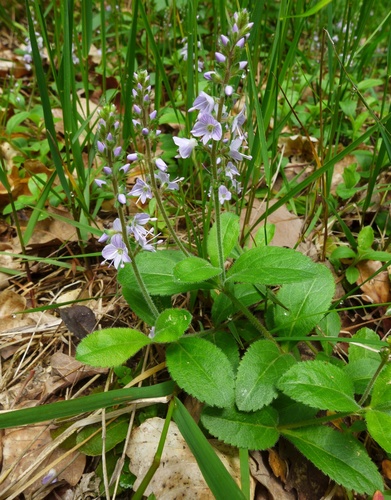
Source: Wikipedia
Synonyms 40
- 602,862 GBIF occurrences
- 53,714 iNaturalist observations
The broad distribution of Heath Speedwell is little changed, although there have clearly been local declines where its habitats have been lost, particularly in the English Midlands (BSBI/BRC 2024). While loss of suitable habitat may have caused some population declines across the species' range, population declines are unlikely to pose a substantial risk of extinction to the species.
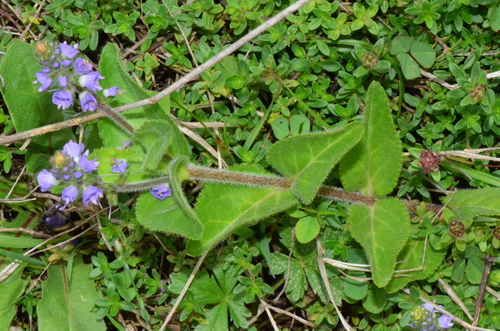
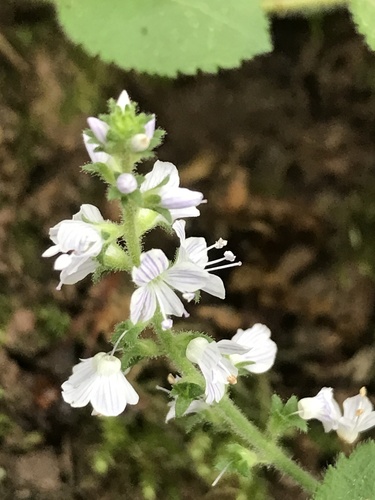
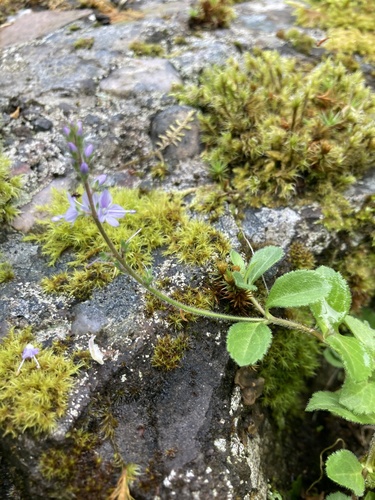
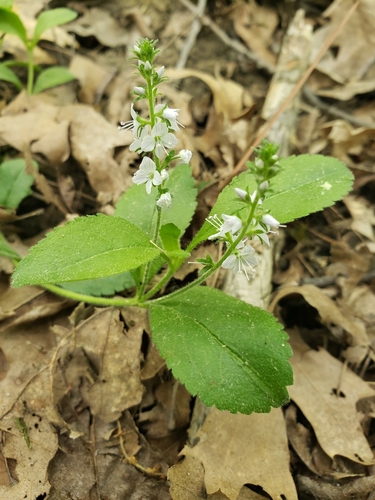
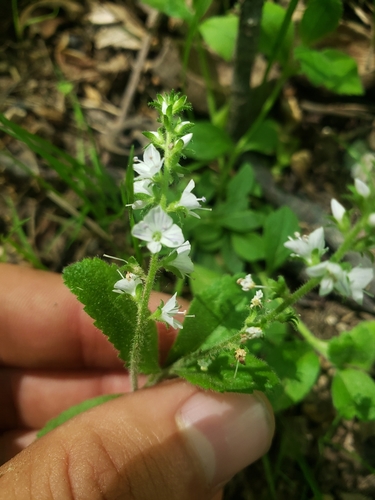
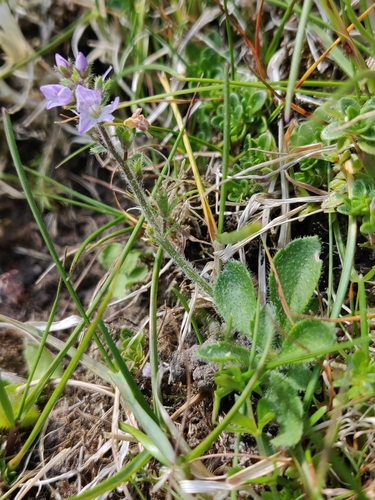
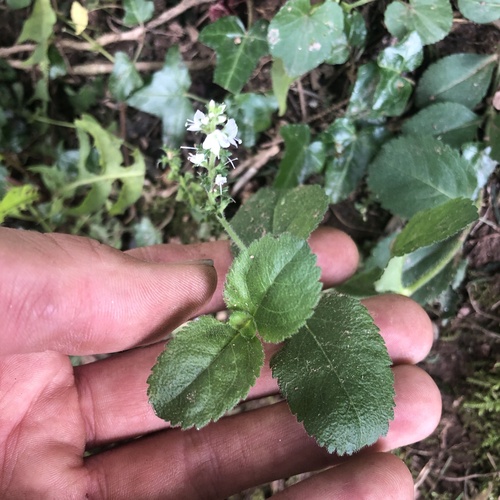
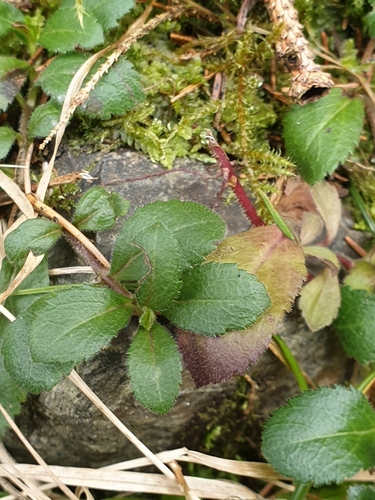
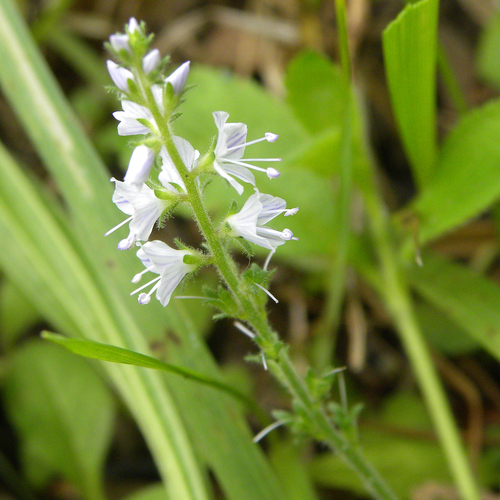
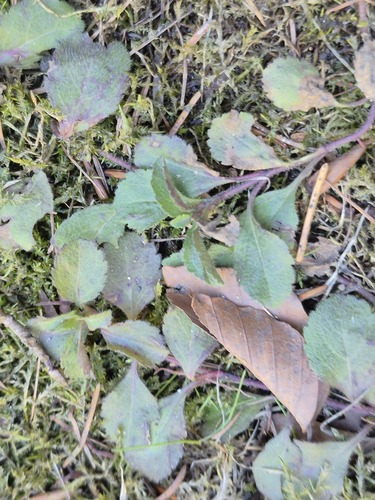
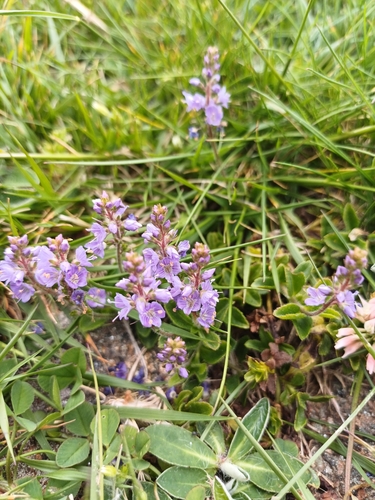
Heath Speedwell is a perennial herb found in open woods and woodland rides and clearings, on banks and heathland, pastures, sand dunes and road verges but mostly in short grassland. It grows on well-drained, often moderately acidic or leached soils, and in some grasslands it is confined to raised ground or anthills. It grows up to around 20 cm tall, is short and hairy and flowers from May to August (Botanical Society of Britain and Ireland 2024, Heukels 2000).
Habitat loss as a result of development impacts some portions of the species' range (BSBI/BRC 2024).
In Bulgaria, this species is collected but is not considered to be of economic importance and is described as being scarcely spread, with single populations in small areas and limited resources (Evstatieva and Hardalova 2004). In Bulgaria this plant is collected from protected areas and is considered to be Endangered in Bosnia-Herzegovina (Kathe 2003).It is listed as Least Concern in Denmark (NERI 2007), Estonia (eElurikkus 2024), Germany (Ludwig and Schnittler 1996), Luxembourg (Colling 2005), Norway (SLU Artsdatabanken 2024), Switzerland (Moser et al. 2002, Bornand et al. 2016) and the United Kingdom (Cheffings and Farrell 2005).The species is represented by 26 germplasm accessions held at European institutions (EURISCO 2024) and is included in the living collection of at least 14 botanical gardens (BGCI 2024). It occurs in many protected areas, including Natura 2000 sites (UNEP-WCMC and IUCN 2024, GBIF.org 2024).
European regional assessment: Least Concern (LC)EU 27 regional assessment: Least Concern (LC)Heath Speedwell (Veronica officinalis) is listed as Least Concern for both Europe and the EU27 Member States in view of its wide distribution, presumed large overall population, occurrence in a number of protected areas, and because it is unlikely to be declining fast enough to qualify for listing in a more threatened category.
Gallery