Vaccinium myrtillus L.
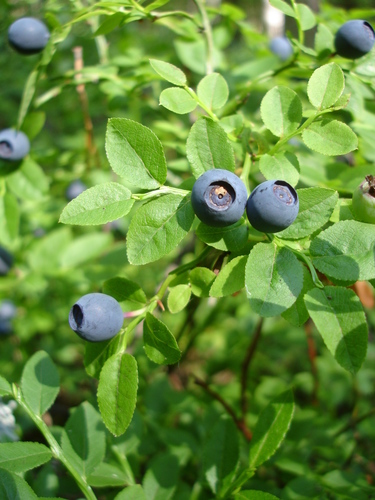
Source: Wikipedia
Synonyms 15
- 1,034,318 GBIF occurrences
- 60,400 iNaturalist observations
The species is common and widespread. Local declines are unlikely to present any significant threat to the species within the region
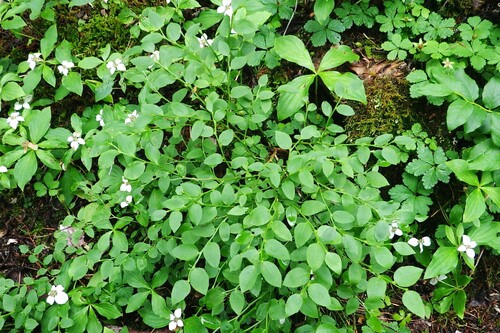
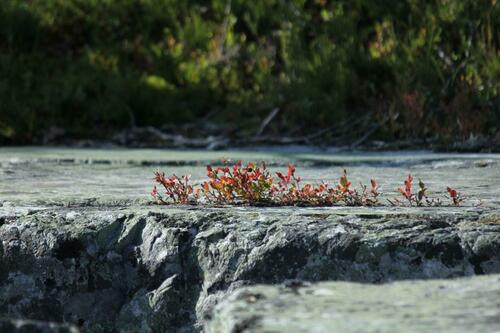
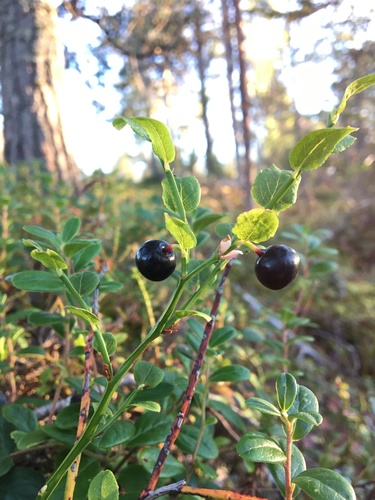
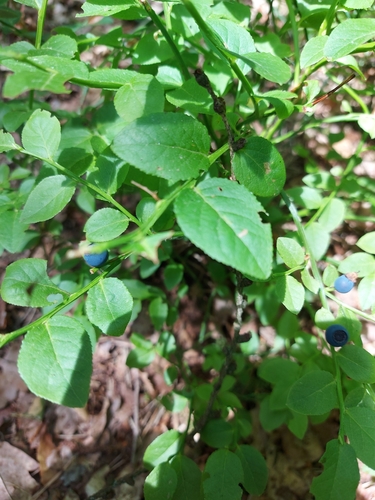
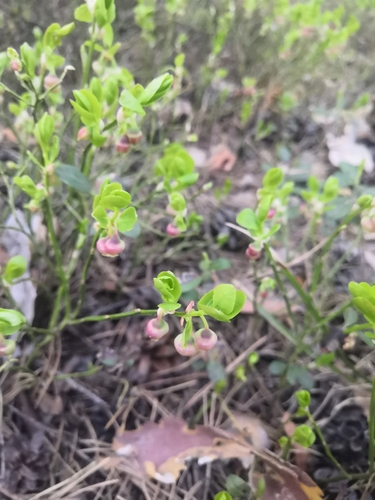
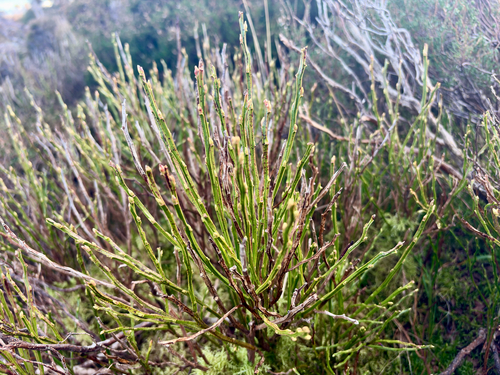
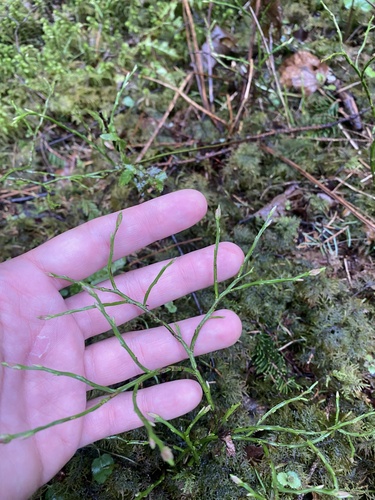
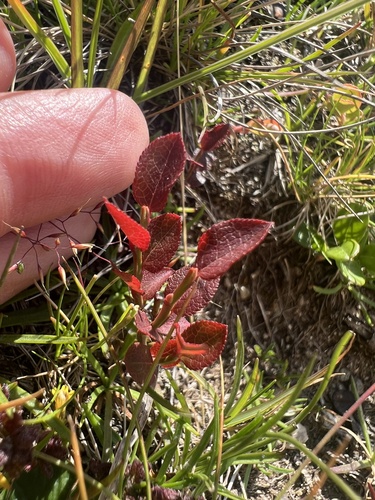
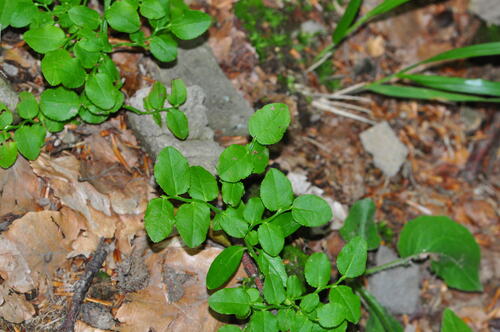
A hairless deciduous shrub forming large colonies from creeping rhizomes found on well drained heathland, moorland, peat bogs and open woods (as understorey mostly birch, oak or pine) growing in dry acidic soils. It flowers from April to June. It is often common throughout subalpine montane areas and dominant on upland moors forming extensive colonies and rarely regenerates from seed (Botanical Society of Britain and Ireland 2023, Blamey and Grey-Wilson 2003, Castroviejo et al 1993, World Health Organization 2009).
The loss of lowland heathland has lead to the decline of this species. The pathogen Phytophthora kernoviae was reported causing a significant threat to heathland bilberry in the United Kingdom (Beales et al. 2009).
Reduced grazing by sheep can help this species to persist. In the United Kingdom upland acid heathland and moorland are protected by the UK Biodiversity Action Plan and are designated SAC (Special Area of Conservation) sites and national Parks.The species is listed as Least Concern in Denmark (Aarhus Universitet 2019), Estonia (eElurikkus 2023), Germany (Ludwig and Schnittler 1996, Metzing et al. 2018), Luxembourg (Colling 2005), Norway (Solstad et al. 2021), Switzerland (Moser et al. 2002, Bornand et al. 2016) and the United Kingdom (Cheffings and Farrell 2005, Stroh et al. 2014). The species occurs in numerous protected areas, including Natura 2000 sites (UNEP-WCMC and IUCN 2023).
European regional assessment: Least Concern (LC) EU 27 regional assessment: Least Concern (LC)This species is classified as Least Concern due to its widespread distribution. The existing threats are unlikely to cause the species’ populations to severely decline in the near future.
Gallery