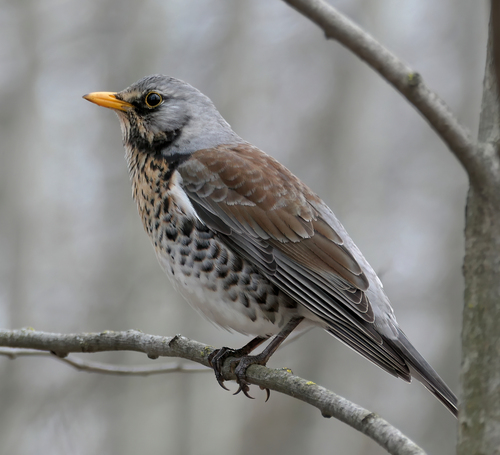
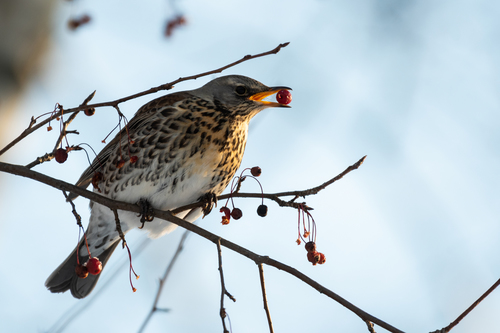
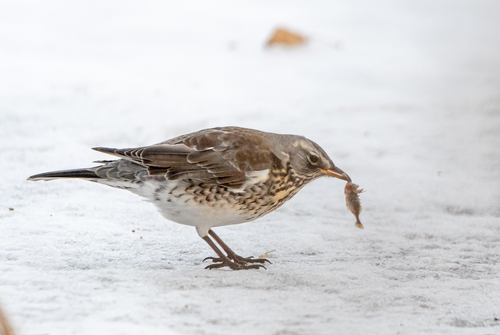
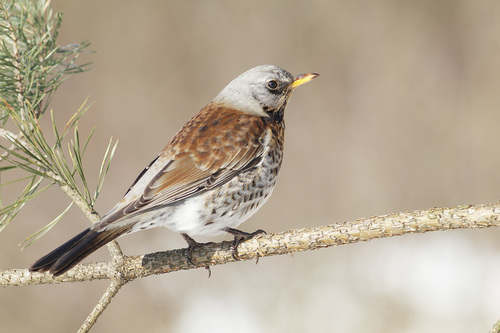
Turdus pilaris Linnaeus, 1758
Source: Wikipedia
- 3,045,129 GBIF occurrences
- 102,862 iNaturalist observations
In Europe, the total population size is estimated at 23,000,000-44,700,000 mature individuals, with 11,500,000-22,400,000 breeding pairs (BirdLife International 2021), and comprises approximately 40% of the species' global range, so a very preliminary estimate of the global population size is between 27,100,000-52,600,000 mature individuals, although further validation of this estimate is desirable. The species' population in Europe is considered to have remained relatively stable over three generations (12 years) (BirdLife International 2021). Based on these data, and the proportion of the species' global range that this region holds, the global population size is considered to be stable over three generations. This species is considered to have a medium dependency on forest habitat, which is estimated to be declining at a slow rate within its mapped range (Global Forest Watch 2024).
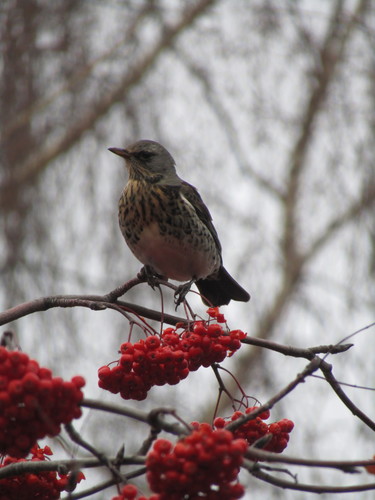
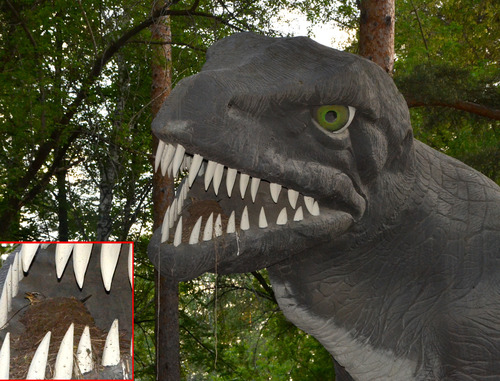
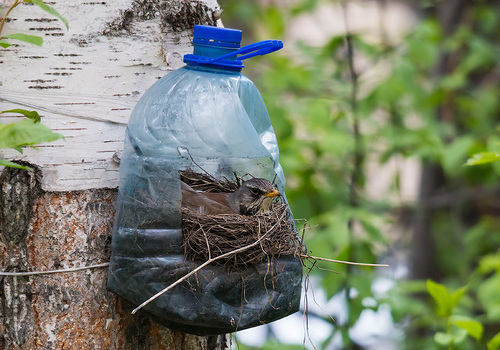
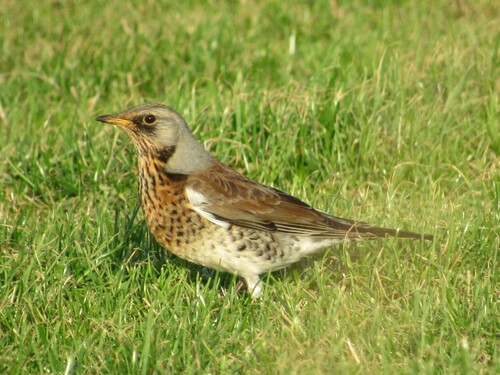
This species typically inhabits mixed habitat, mainly part-wooded and part-open country, commonly using trees for breeding and roosting and hedges and open ground for foraging. It breeds in boreal forests of mixed pine (Pinus) and birch (Betula), as well as scrub, clearings, parks and gardens. In high latitudes, relatively small numbers extend beyond the tree-line into alpine heathland and tundra scrub, and even to entirely bleak grassy islands in the extreme north. It winters mainly in lowlands, often in more open habitats, including grassy and cultivated fields, moorland edges, woodland edges and orchards. Breeding occurs from early April to late August, with timing varying with latitude. The nest is a bulky, untidy cup, made of twigs, roots, moss, lichen, grass and leaves, lined with animal hair, rootlets and fine grass, and cemented with mud. It is generally sited in the fork of a tree or against the trunk or on a branch, usually towards upper levels of tree and normally at least two metres off the ground but occasionally on ground, or in a cliff face. Normally lays five or six eggs. The diet is mainly invertebrates and fruits, but also takes berries and seeds in the winter, and shoots and buds in the spring. The species is migratory but movements are essentially irruptive and nomadic (Collar 2015).
In southern Greenland the species may have been extirpated by severe winters during the 1960s (Collar 2015).
Conservation Actions UnderwayEU Birds Directive Annex II. There are currently no known conservation measures for this species within Europe.Conservation Actions ProposedResearch to identify causes of declines and appropriate conservation measures.
This species has an extremely large range and the population size is extremely large, hence does not approach threatened thresholds for the range or population size criteria. The population trend appears to be stable, and hence the species does not approach the thresholds for Vulnerable under the population trend criterion. For these reasons the species is evaluated as Least Concern.
Gallery