Solidago virgaurea L.
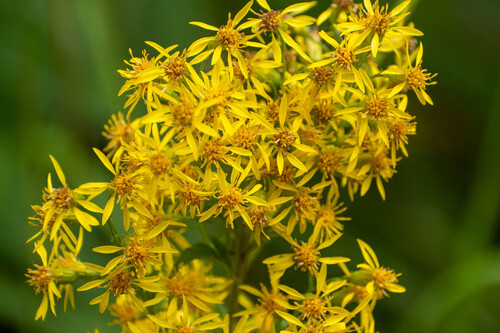
Source: Wikipedia
Synonyms 45
- 606,941 GBIF occurrences
- 40,264 iNaturalist observations
Population figures for the species are not available nor are precise trend data. It is noted to be in decline in some areas (Botanical Society of Britain and Ireland 2023), but given the species' wide range and high ecological amplitude, it is unlikely that such declines could come close to meeting thresholds for listing under a threatened status.
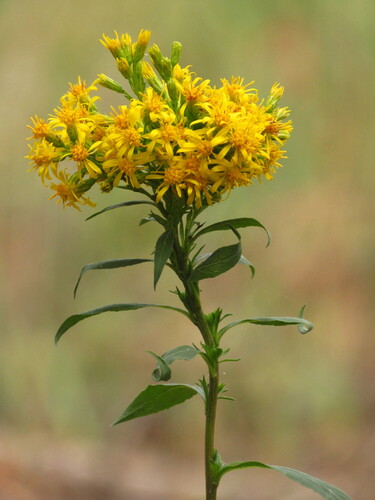
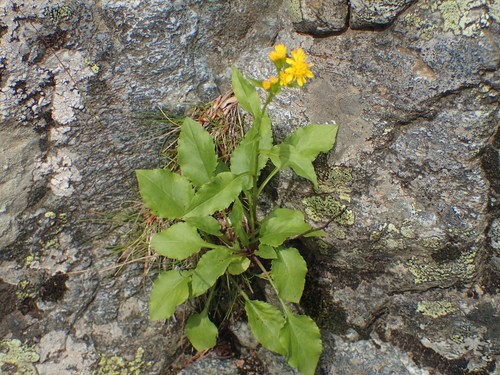
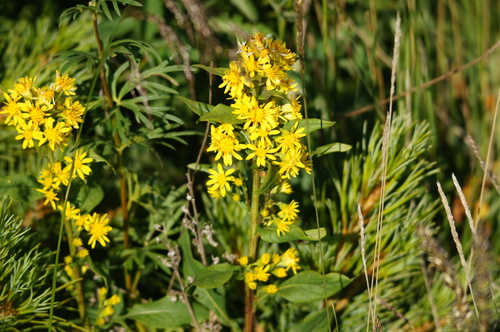
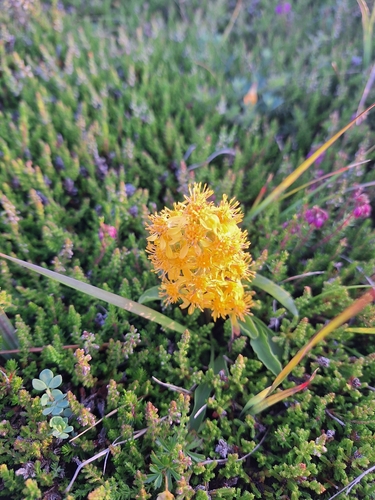
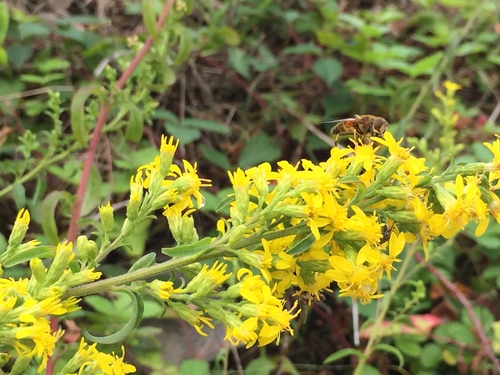
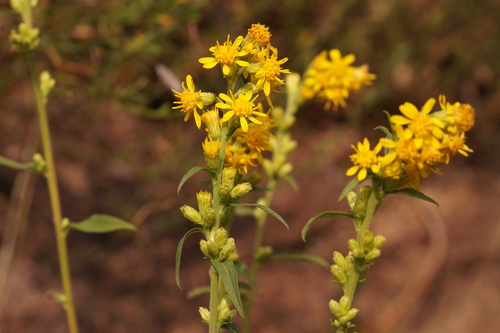
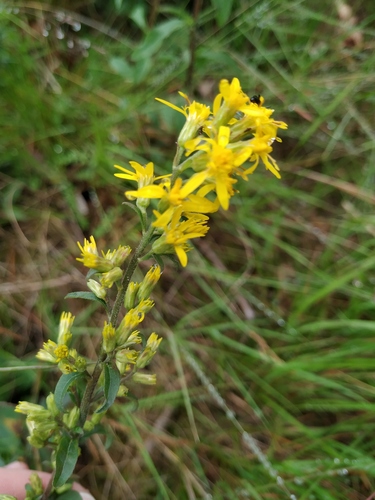
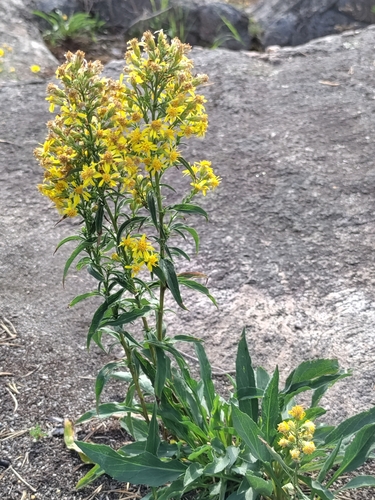
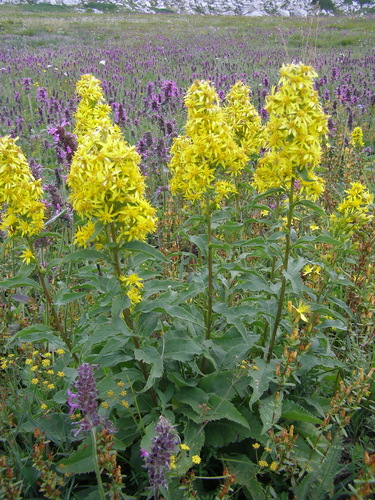
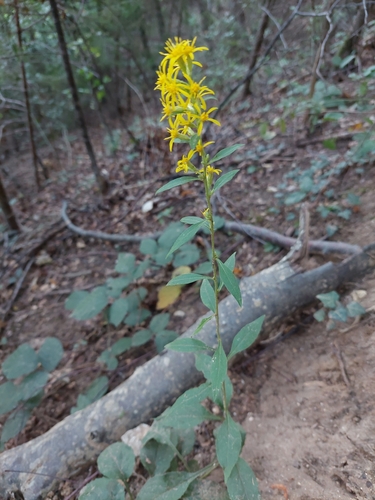
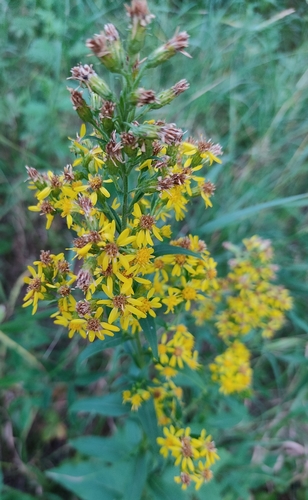
European Goldenrod is a perennial herb found in dry places on calcareous or acid soils occurring in lowland habitats such as woods, heaths, hedgebanks, coastal cliff tops and montane or upland habitats such as cliff ledges, rocks, by waterfalls in tall herb communities in gullies and montane grass heath (Botanical Society of Britain and Ireland 2023, Blamey and Grey-Wilson 2003).
No threats to the species are known at this time.
The species is listed as Least Concern in Denmark (NERI 2007), Estonia (eLurikkus 2023), Luxembourg (Colling 2005), Norway (Solstad et al. 2021), Switzerland (Moser et al. 2002) and the United Kingdom (Stroh et al. 2014). The species occurs in numerous protected areas, including Natura 2000 sites (UNEP-WCMC and IUCN 2023). The species is included in 89 ex situ germplasm collections (EURISCO 2023).
European regional assessment: Least Concern (LC) EU 27 regional assessment: Least Concern (LC)This species is classified as Least Concern due to its widespread distribution and an absence of major threats. The overall European population trend is unknown, however, the extinction risk for this species is very low.
Gallery