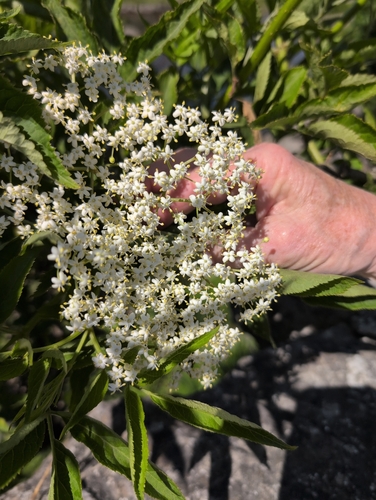
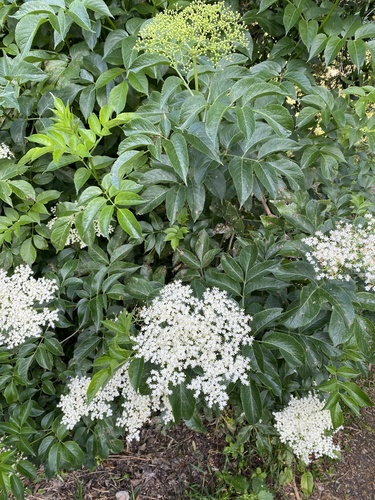
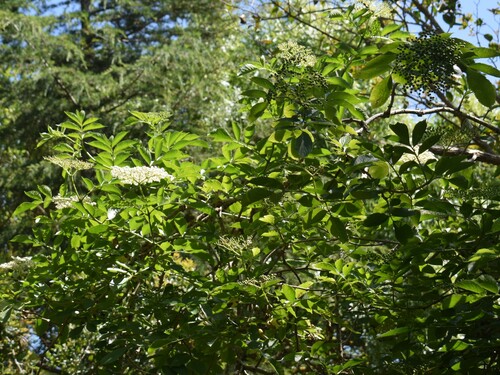
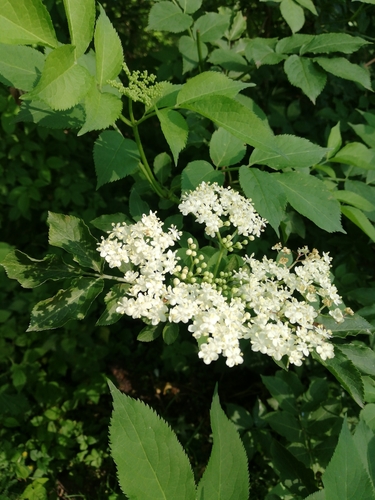
Sambucus nigra L.
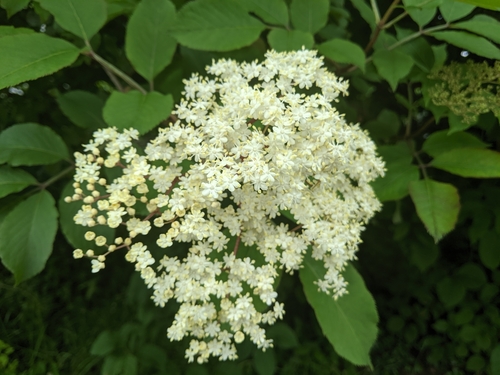
Source: Wikipedia
Synonyms 44
- 1,145,955 GBIF occurrences
- 93,408 iNaturalist observations
Records of the species are numerous and there is currently no indication of significant population decline.
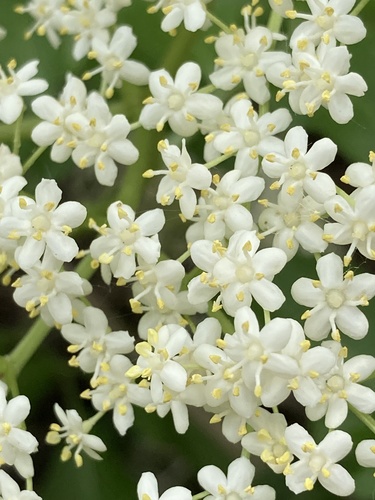
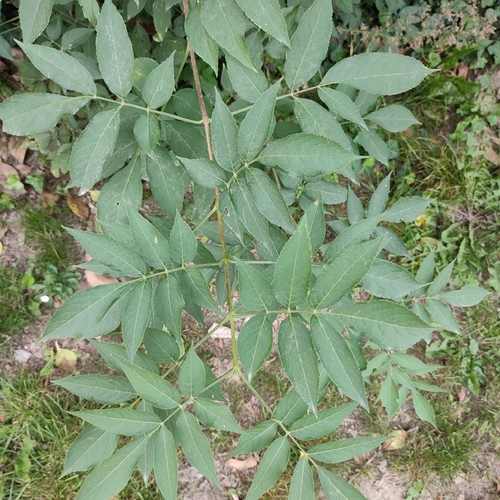
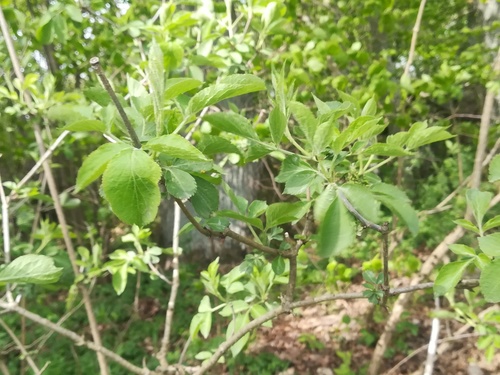
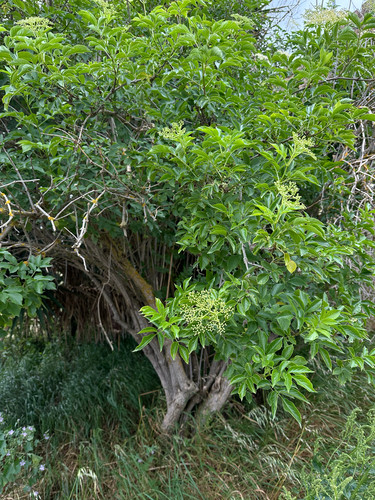
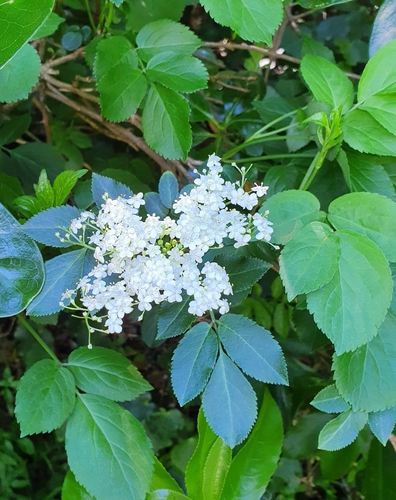
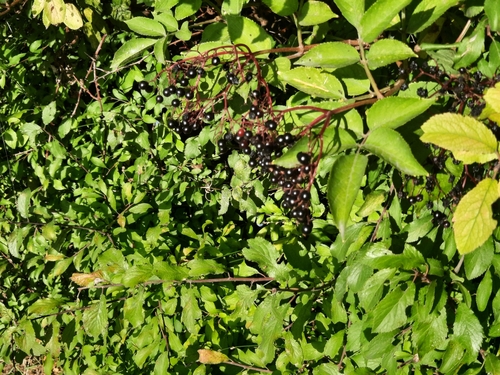
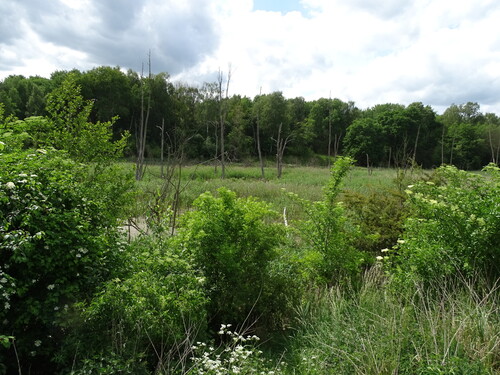
Elder is a deciduous shrub or small tree of up to 5 m height (and up to 10 m in cultivation). It is found in a wide range of habitats including woodland, grassland, hedgerows, scrub, river banks but also roadsides, railway banks and waste grounds (Preston et al. 2002, Castroviejo et al. 2007).
This species is widely used for food and medicine, but it is not assumed that this will lead to significant declines. There are indications that harvest rates might increase in the future (e.g. in Bosnia-Herzegovina, Kathe et al. 2003).
This species is subject to ex situ conservation. Seeds are stored in Kew's Millennium Seed Bank and in the Danish Forest and Nature Agency. It is considered as Least Concern on various national Red Lists, for example, Belgium (Van Landuyt et al. 2006), Germany (Ludwig and Schnittler 1996), Switzerland (Moser et al. 2002), the United Kingdom (Cheffings and Farrell 2005) and several others.The taxon Sambucus nigra subsp. palmensis is listed as a priority taxon on Annex II of the Habitats Directive and is listed under Appendix I of the Convention on the Conservation of European Wildlife and Natural Habitats (Bern Convention) under the name Sambucus palmensis.The species is represented by 341 germplasm accessions held at European institutions (EURISCO 2024) and is included in the living collection of at least 206 botanical gardens (BGCI 2024). It occurs in many protected areas, including Natura 2000 sites (UNEP-WCMC and IUCN 2024, GBIF.org 2024).
European regional assessment: Least Concern (LC)EU 27 regional assessment: Least Concern (LC)This species is classified as Least Concern for both Europe and for the EU27 Member States due to its widespread distribution, stable populations and no major threats.
Gallery