Rhytidiadelphus squarrosus (Hedw.) Warnst.
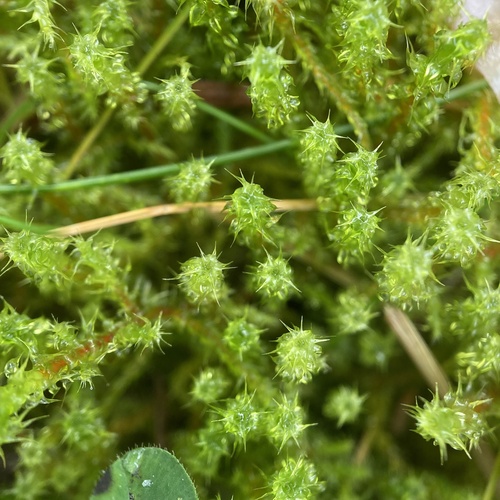
Source: Wikipedia
Synonyms 17
- 186,978 GBIF occurrences
- 12,863 iNaturalist observations
The population is stable and very large. The number of individual-equivalents (i.e., mature individuals) runs into the millions. One individual-equivalent is considered to be one square metre on which the species grows.
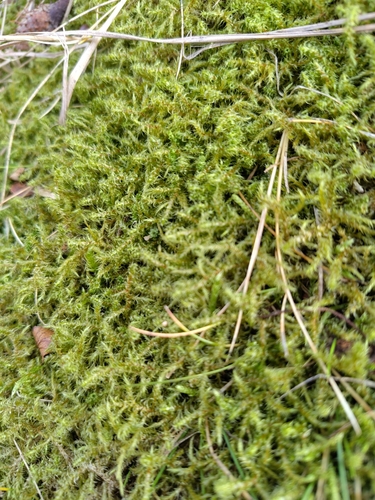
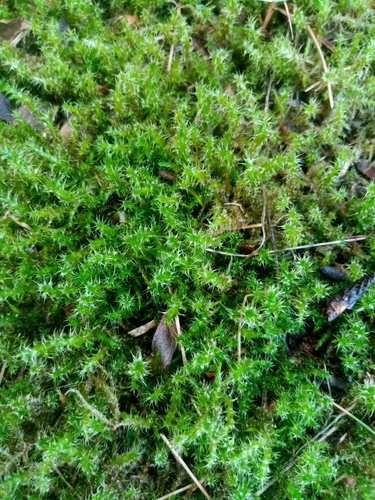
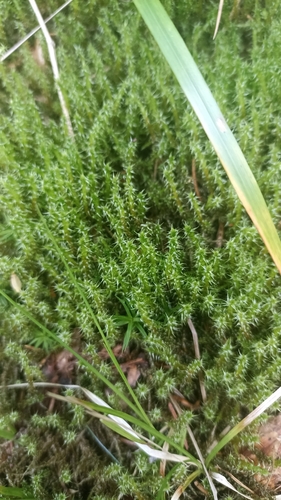
This species occurs in a wide range of habitats, but especially grassy habitats such as wet meadows, pastures or roadsides (Meinunger and Schröder 2007). It also occurs in shrubland, light woodland, heath and moorland (Blockeel et al. 2014). In many areas it is a characteristic and abundant moss of urban parks and gardens.
This species is very common and there are no major threats to it.
No conservation measures are required at present. This moss occurs in many protected areas.
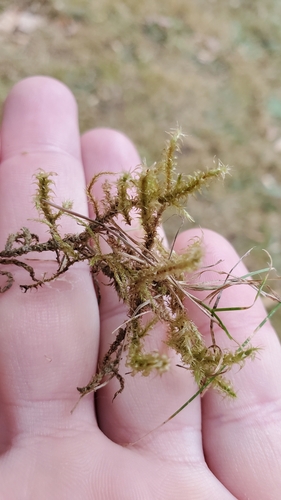
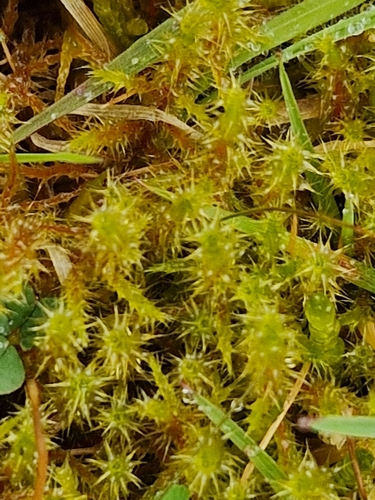
European regional assessment: Least Concern (LC)EU 28 regional assessment: Least Concern (LC)The Springy Turf-moss (Rhytidiadelphus squarrosus) occurs in a wide range of habitats, but especially grassy habitats such as wet meadows, pastures or roadsides. It also occurs in shrubland, light woodland, heath and moorland. In many areas it is a characteristic and abundant moss of urban parks and gardens. It is very common and widespread throughout Europe, but rarer to almost absent in the Arctic and in the Mediterranean lowlands. This species is assessed as Least Concern since it has a large and stable population, and there appear to be no major threats to it. No conservation measures are required at present. It is known to occur in many protected areas across its European range.
Gallery