Rhamnus cathartica L.
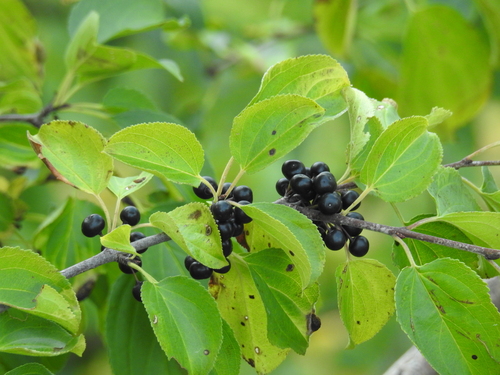
Source: Wikipedia
Synonyms 25
- 286,863 GBIF occurrences
- 78,858 iNaturalist observations
The population within Europe is considered to be larger and stable. This is likely to be the case across the rest of the species range. Within North Africa the species is found 'sparingly' (Kurylo et al. 2007).
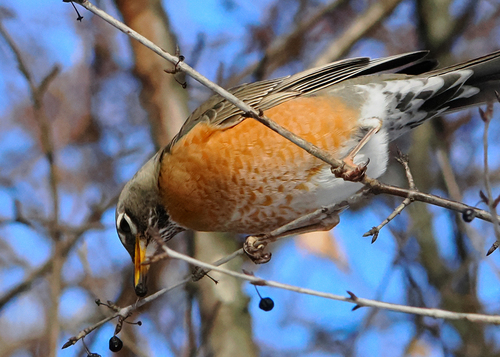
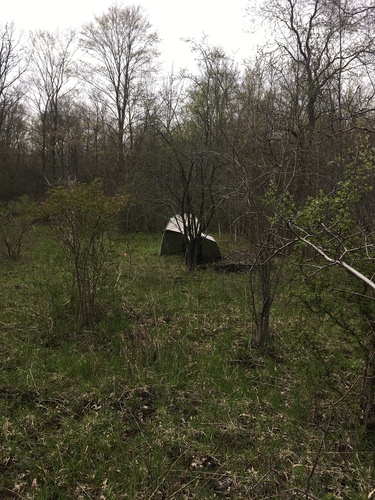
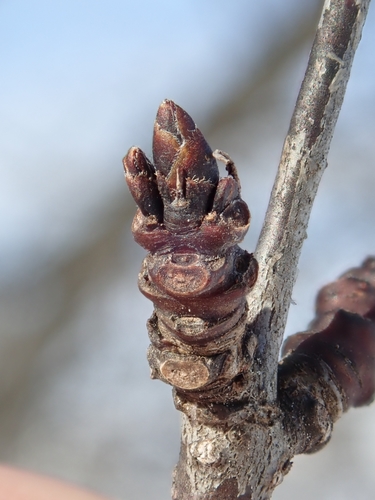
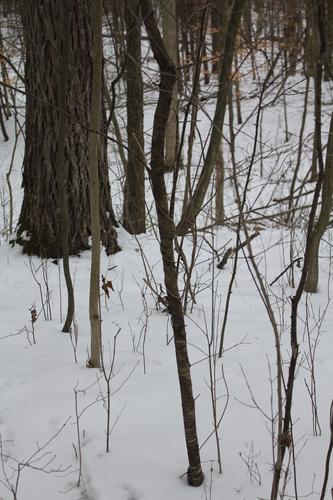
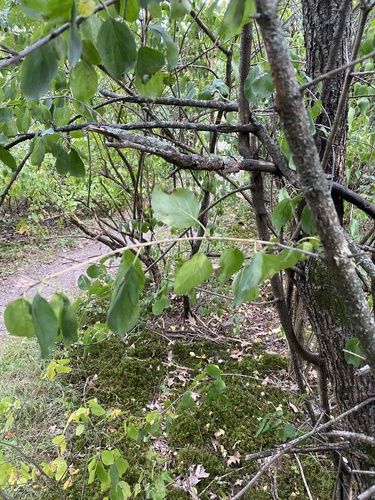
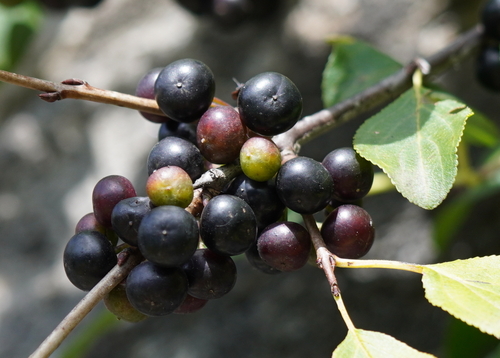
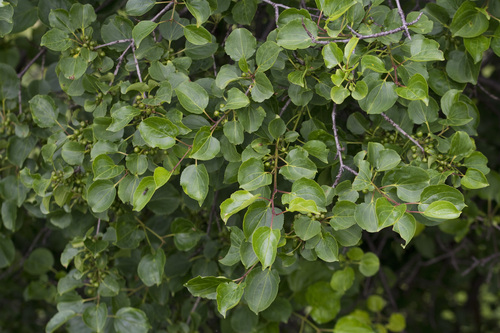
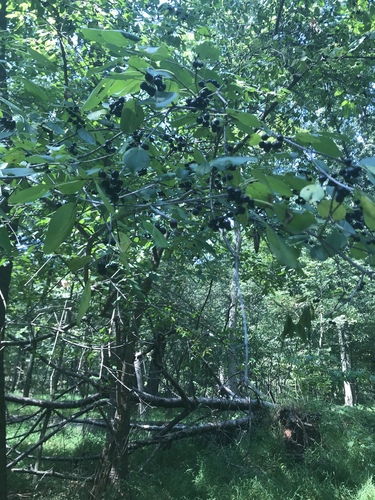
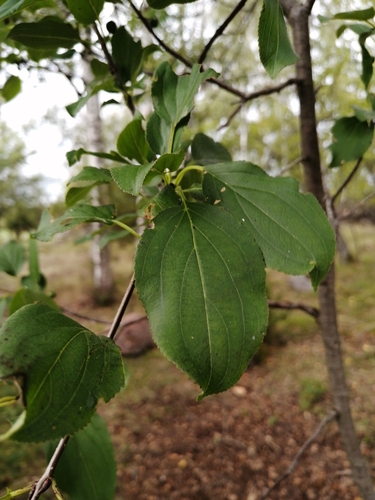
The species is a shrub or small tree, growing to between 2–8 m in height (CABI 2015). It has a wide habitat tolerance as it can tolerate extremes in soil moisture, herbivory, pathogens (Stewart et al. 2006) and shade (Knight et al. 2007). The species also exhibits high fecundity (Stewart et al. 2006), rapid growth rates, and low mortality (Knight et al. 2007). Reproduction can occur after 9–11 years after which fruit production is great (Knight et al. 2007). The species can be found in wetlands, woodlands, disturbed sites, ravine slopes and fens. It is most common in open areas or forest edges as optimum growth occurs in well lit sights (Kurylo et al. 2007). Fruit is eaten by birds which thereby enables seed dispersal and the foliage is consumed by many insects (Knight et al. 2007). The species forms thickets (CABI 2015).
There are no known threats to the species across its range.
Nationally the species is considered Least Concern within Switzerland (Moser et al. 2002), Estonia (Lilleleht 2008) and Luxembourg (Colling 2005). Within Europe the species is regionally assessed as Least Concern. This species is found in 109 ex situ collections (BGCI 2017).
Rhamnus cathartica is a shrub or small tree species. It is native to Europe, North Africa, Russia, central and eastern Asia. The species is naturalised and invasive within northern USA and Canada. The species has a large extent of occurrence (EOO) and population is thought to be large too. There are no known threats to the species and is nationally and regionally assessed as Least Concern. The species is globally assessed as Least Concern.
Gallery