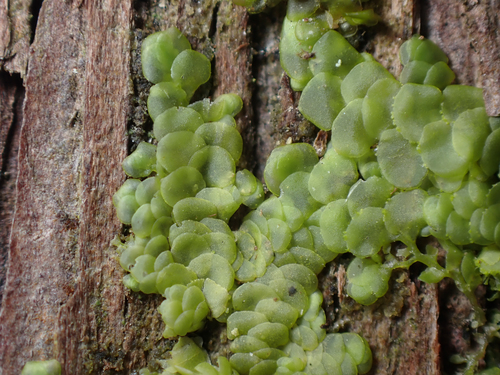
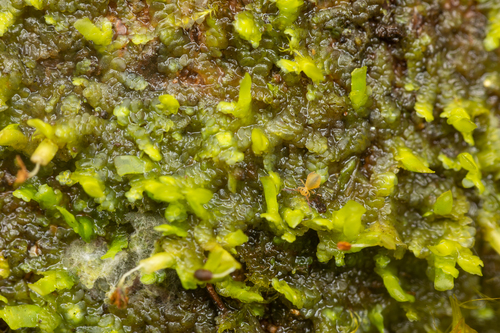
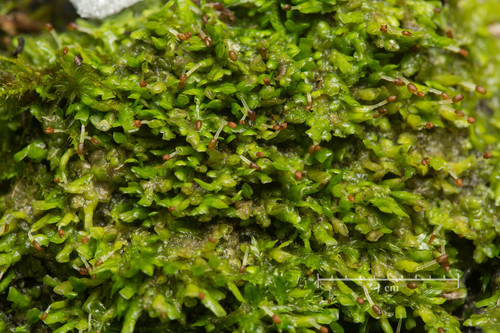
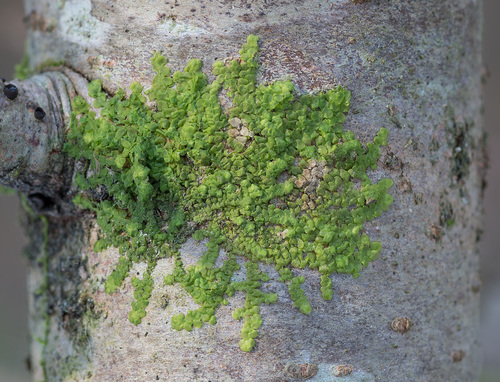
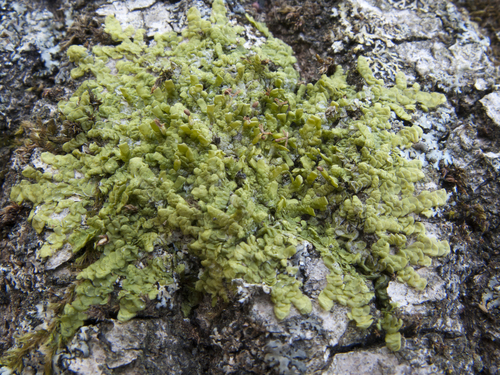
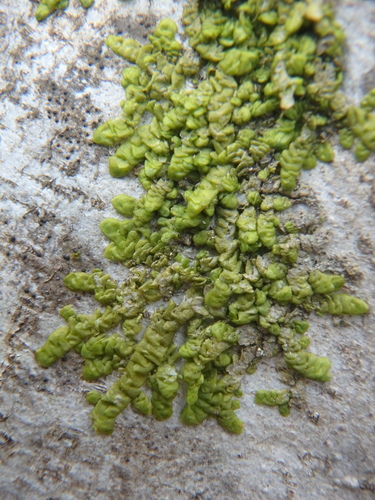
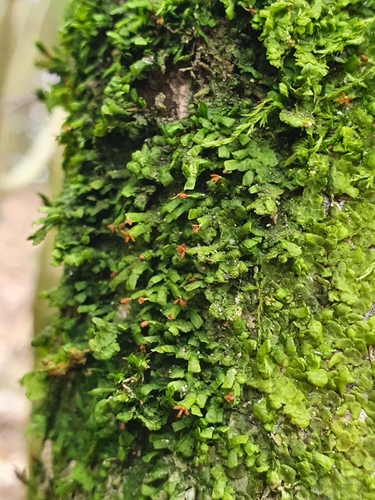
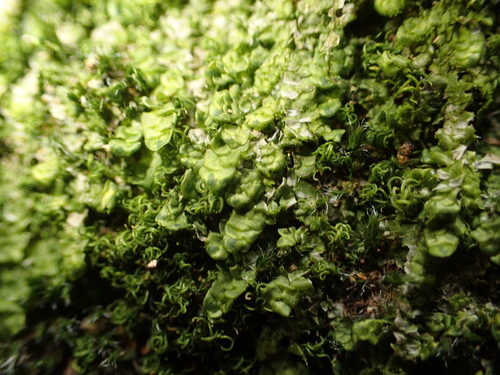
Radula complanata (L.) Dumort.
Synonyms 21
- 71,977 GBIF occurrences
- 15,332 iNaturalist observations
The population is very large and the current trend seems stable. In Germany, where this species was previously assessed as Vulnerable due to air pollution, it is now recovering and spreading again (Meinunger and Schröder 2007).
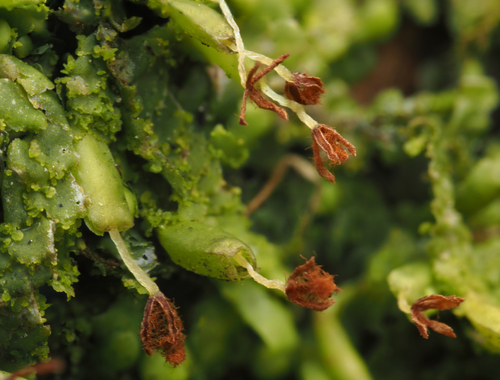
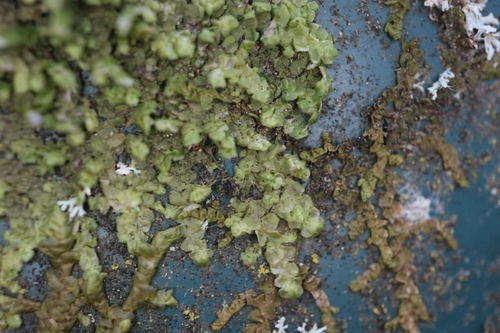
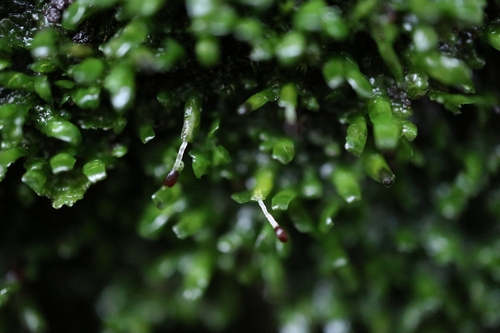
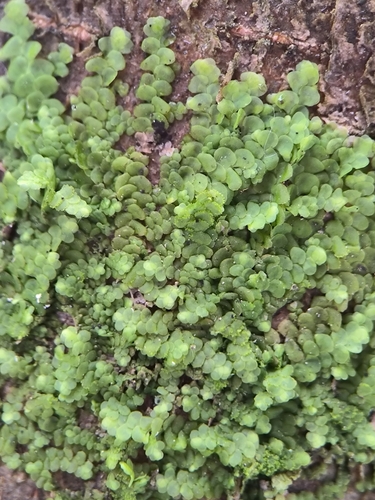
This species grows as an epiphyte on mainly deciduous trees in different kind of forests, in scrub and on isolated trees. In the mountains it also often grows on non-calcareous rocks or on humus-covered calcareous rocks in open to shady habitats.
There appear to be no major threats to this species in Europe. It it somewhat sensitive to acid rain, but this impact has decreased in most countries.
The species has been assessed as Near Threatened in Italy, but is otherwise not listed as threatened anywhere in Europe (Hodgetts 2015). There is no need for conservation actions for this species. It is known to occur in protected areas across Europe.
European regional assessment: Least Concern (LC) EU 28 regional assessment: Least Concern (LC)The Even Scalewort (Radula complanata) is very common and widespread throughout almost the whole of Europe, where it grows as an epiphyte on mainly deciduous trees. The extent of occurrence (EOO) and area of occupancy (AOO) largely surpass the threshold values for application of a threatened Category, and the population is large and stable. In addition, there are no major threats to this species at the European level. It is therefore assessed as Least Concern. No conservation measures are required at present.
Gallery