Quercus petraea
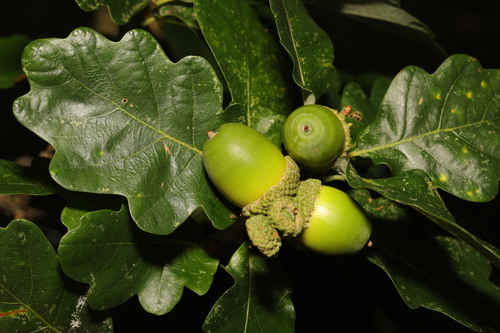
Source: Wikipedia
Synonyms 50
- 421,840 GBIF occurrences
- 14,427 iNaturalist observations
A wide range of pests species could potentially impact the species' population (Eaton et al. 2016). At present, the population trend is not well understood, but is thought to be in decline. This decline is not likely to meet any criteria necessary for listing under a threatened category.
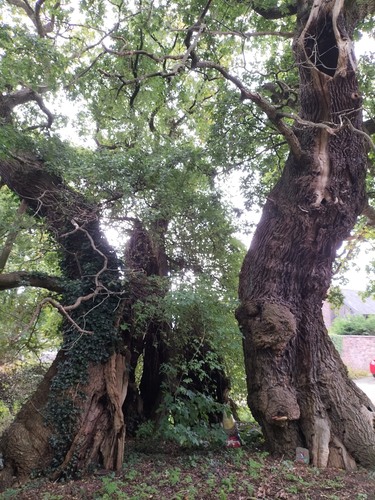
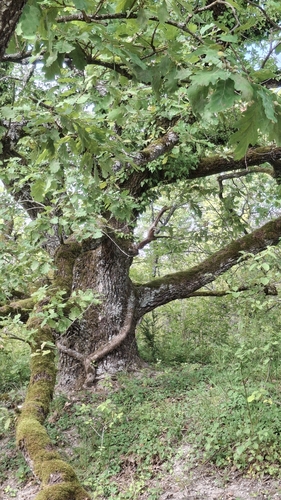
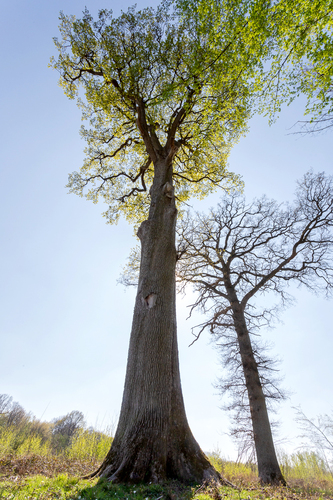
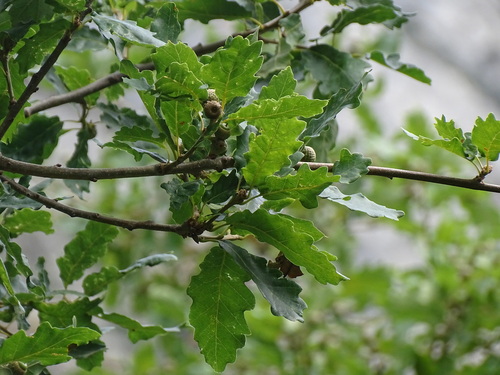
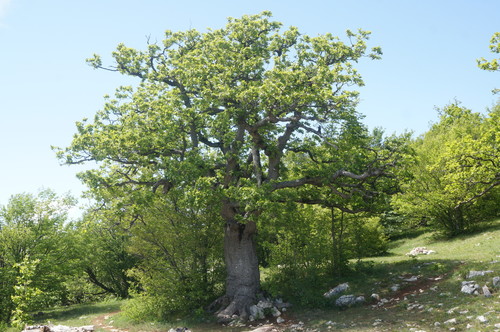
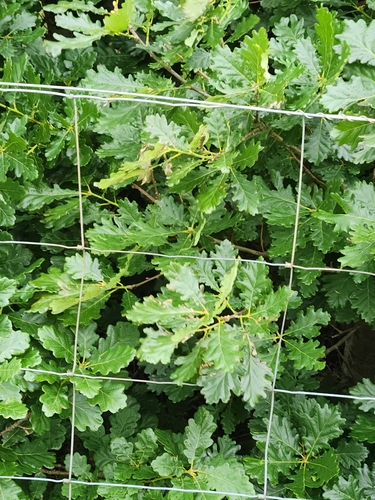
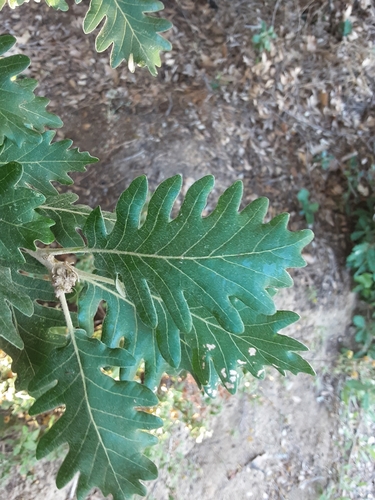
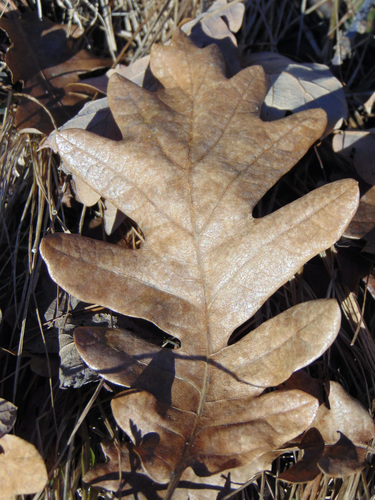
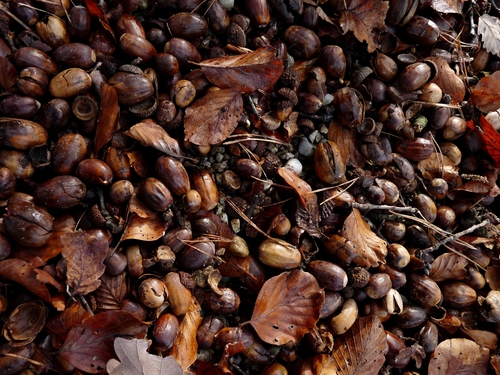
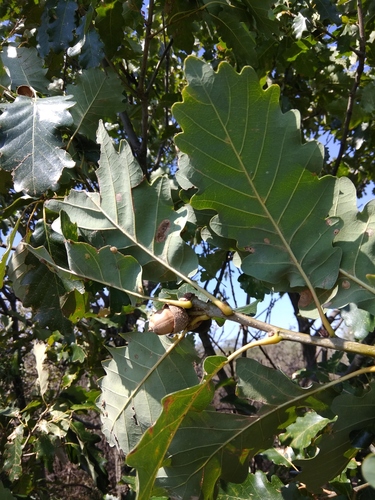
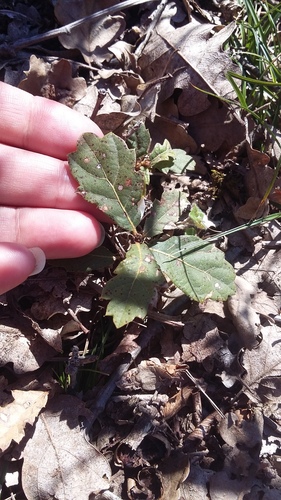
A deciduous tree which can reach heights up to 40 metres, the largest of the European native broad-leaved trees, forming part of woodlands. It can be found on any type of substrate including stony ground and rock fissures but prefers well drained, shallow and slightly acidic soils. Unlike other Oak species the leaves are rarely eaten by insects or galled. Flowers appear with young leaves from April to May. It produces acorns and may hybridise with Quercus robur. Often a dominant species in upland oakwoods and deciduous woodland but is also planted and found in parks, gardens, urban areas, trees are long lived and can persist up to 300 years. Seedlings are shade-tolerant and therefore it is able to regenerate in woodland better than other Quercus species (Botanical Society of Britain and Ireland 2023, Blamey and Grey-Wilson 2003, Castroviejo et al 1990). This species forms part of several habitat types protected under the EC Habitats Directive, among others:
- 91A0 Old sessile oak woods with Ilex and Blechnum in the British Isles
- 91G0 Pannonic woods with Quercus petraea and Carpinus betulus (priority habitat)
- 91M0 Pannonian-Balkanic turkey oak –sessile oak forests
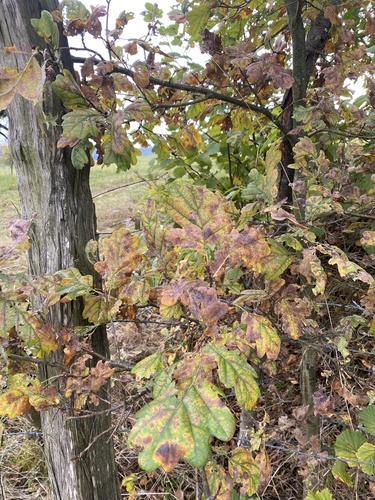
Despite being a common species it faces several threats throughout its range. Clearance of native woodland for conifer plantations or habitation is a major threat as well as grazing from animals such as deer, squirrels and rabbits which strip the bark and browse for seedlings (JNCC 2012). There is a high risk from forest fires (European Commission 2012). A fungal disease known as Sudden Oak Death (Phytophthora ramorum) is potentially affecting populations throughout Europe although this disease has shown to be more damaging to other species. There are other Phytophthora fungi affecting oak trees causing sticky fluid bleeding from the bark and trunk (Forestry Commission 2010). Drought exposure is thought to be the underlying cause of previous oak dieback which makes them more susceptible to attack by insects (Forestry Commission 1999).
Sessile Oak is characteristic of at least three habitat types protected under Annex I of the EC Habitats Directive and therefore receives some form of protection. It is listed as Endangered on the national Red List of Belarus (Ermakova 2005) and as Rare in Lithuania (Caegory 3 - Rašomavičius 2007), but is considered Least Concern in Denmark (NERI 2007, Aarhus Universitet 2019), Germany (Ludwig and Schnittler 1996, Metzing et al. 2018), Luxembourg (Colling 2005), Norway (Solstad et al. 2021), Sweden (SLU ArtDatabanken 2023), Switzerland (Moser et al. 2002, Bornand et al. 2016) and the United Kingdom (Cheffings and Farrell 2005).In the United Kingdom, oak trees are surveyed and monitored for symptoms of acute oak decline (Forestry Commission 2010).The species occurs in numerous protected areas, including Natura 2000 sites (UNEP-WCMC and IUCN 2023). The species is represented by seven germplasm accessions in European institutions (EURISCO 2023) and is included in the living collections of at least 123 botanical gardens (BGCI 2023).
European regional assessment: Least Concern (LC) EU 27 regional assessment: Least Concern (LC)Although this species suffers from habitat decline and diseases, it has a widespread European distribution and is included in protected areas in parts of its range. Declines in population are not likely to qualify the species for threatened status in the foreseeable future. It is therefore listed as Least Concern.
Gallery