Prunus avium (L.) L.
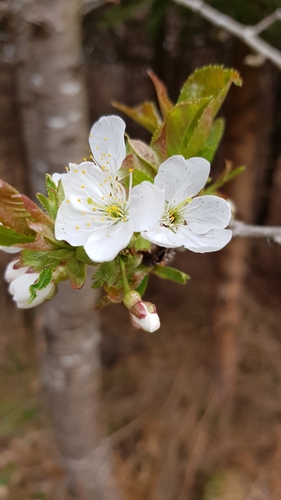
Source: Wikipedia
Synonyms 43
- 649,592 GBIF occurrences
- 63,444 iNaturalist observations
There is no population information for this species but due to its wide native range and presence within cultivation it is assumed that population is stable.
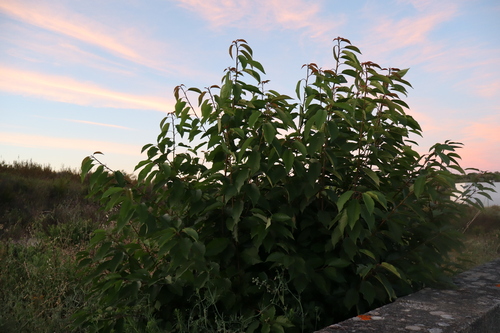
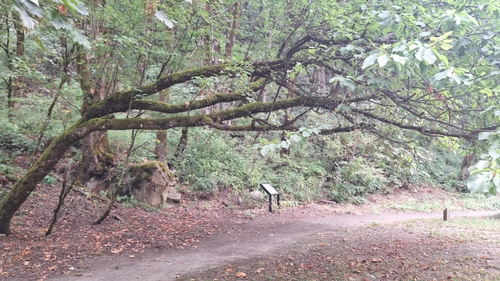
This species is a fast growing tree, which can reach up to 30 m (Welk et al. 2016). It grows in humid deciduous woodland, dry forests, forest margins, shrubwoods, alongside gullies and rivers, as well as in humid areas with deep soil, mostly in mountainous areas.
Even though this species is sometimes harvested from the wild, this is managed properly and the species can seed easily, so this is not considered to be a significant threat.
This species is found within at least 123 ex situ collections (BGCI 2017). The species is also reported tom EURISCO germplasm banks, including accessions from wild origin. Genesys Global Portal on Plant Genetic Resources (2017) reports 35 wild germplasm accessions from across the species range. It should be ensured that these ex situ collections are representative of the species entire native range and hold both European and non-European specimen. It occurs in protected areas. It is recommended that the monitoring and management of this species is incorporated into the existing management plans of these sites. Within Europe the species was assessed as Least Concern (Eliáš et al. 2010).
Prunus avium is widely distributed throughout Europe, and also in North Africa and Western Asia. The population is thought to be stable. It currently does not face any major threats and is therefore assessed as Least Concern.
Gallery