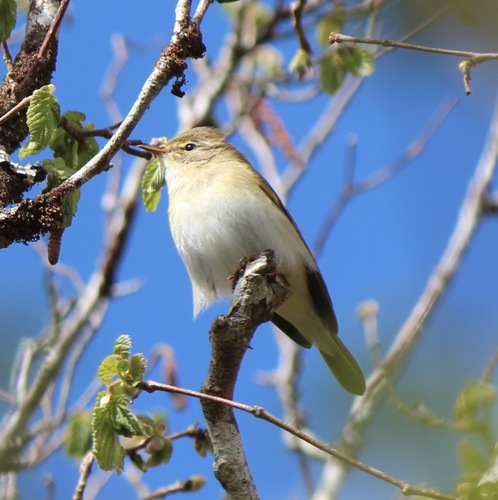
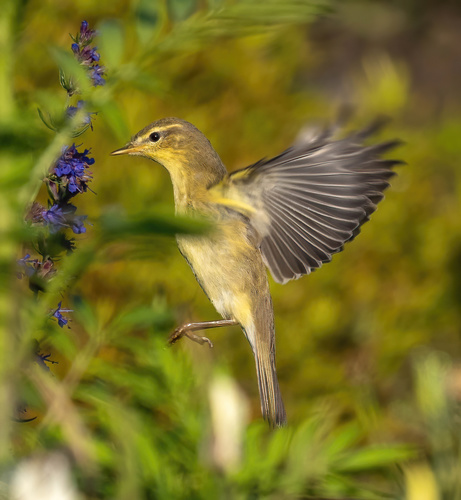
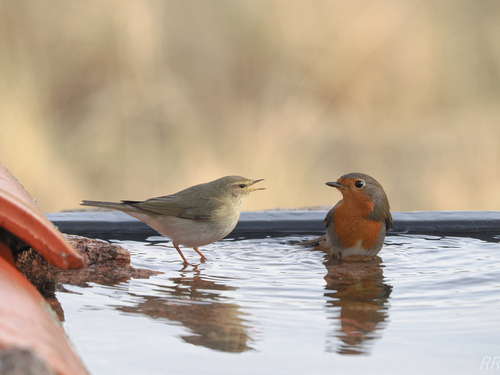
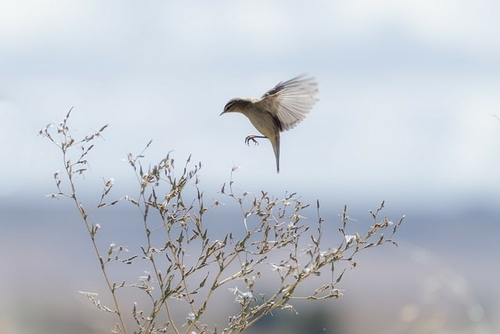
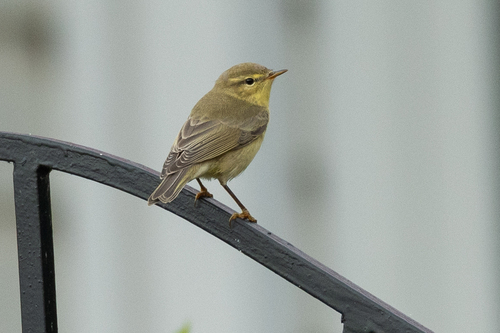
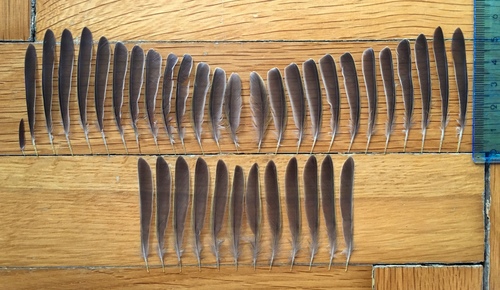
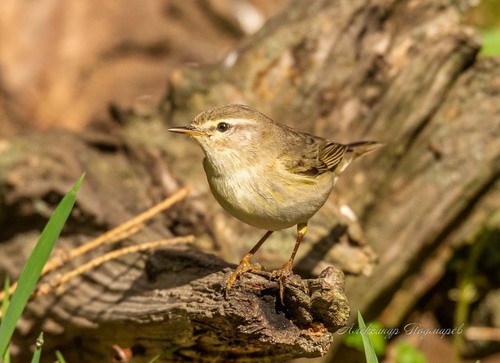
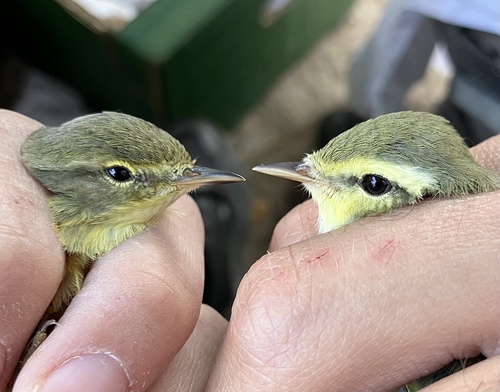
Phylloscopus trochilus (Linnaeus, 1758)
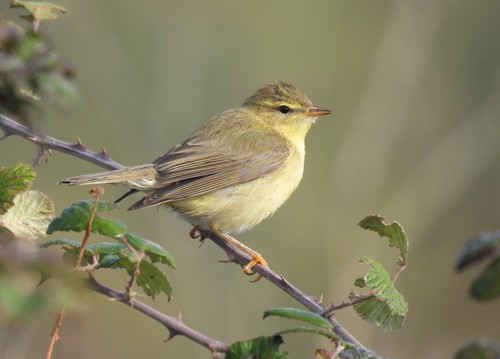
Source: Wikipedia
- 5,178,754 GBIF occurrences
- 33,115 iNaturalist observations
In Europe, the total population size is estimated at 106,000,000-161,000,000 mature individuals, with 53,300,000-80,300,000 breeding pairs (BirdLife International 2021), and comprises approximately 45% of the species' global range, so a very preliminary estimate of the global population size is between 236,000,000-358,000,000 mature individuals, although further validation of this estimate is desirable. In Europe, the species' population is considered to have undergone a small decline over three generations (10 years) (BirdLife International 2021). Based on these data, and the proportion of the species' global range that this region holds, the global population size is considered to be decreasing slowly over three generations. This species is considered to have a medium dependency on forest habitat, which is estimated to be declining at a slow rate within its mapped range (Global Forest Watch 2024).
During the breeding season this species inhabits deciduous and mixed forests in which birch (Betula) largely predominates, but also birches and willow (Salix) thickets and scrub on arctic tundra. In central areas it is found in temperate heathland, forest clearings, damp areas with alders (Alnus) and willows as well as secondary growth, scrub and shrubby areas away from trees. It generally uses a wide selection of locations, including large overgrown gardens, orchards, hedges, railway embankments, and rough pastures with tussock grassland. It breeds from April to July and lays four to eight eggs. The nest is a ball of dry grasses, leaves, plant fibres, moss, strips of bark, animal hair and feathers and is placed on the ground, usually well concealed in vegetation. It feeds mainly on insects and their eggs and larvae and some plant material. The species is migratory and winters in Africa, south of the Sahara (Clement 2006).
The species is affected by drought conditions in its wintering quarters and habitat alterations due to human population expansion (Thingstad et al. 2014). In the southern U.K., habitat loss linked to modern forest management techniques that alter the woodland vegetation structure is likely to have caused declines (Stostad and Menéndez 2014). In addition, declining oak tree health may have impacted the species as oak is typically a major source of invertebrates (Peach et al. 1995).
Conservation Actions UnderwayCMS Appendix II. Bern Convention Appendix II. There are currently no known conservation measures for this species within Europe.Conservation Actions ProposedThis species would benefit from the preservation and restoration of its woodland habitat, including the maintenance of traditional management techniques.
This species has an extremely large range and the population size is extremely large, hence does not approach threatened thresholds for the range or population size criteria. Despite the fact that the population trend appears to be decreasing, the decline is not believed to be sufficiently rapid to approach the thresholds for Vulnerable under the population trend criterion. For these reasons the species is evaluated as Least Concern.
Gallery