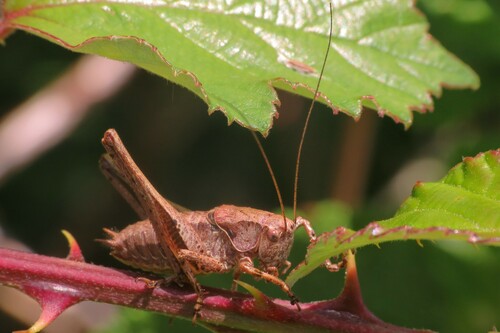
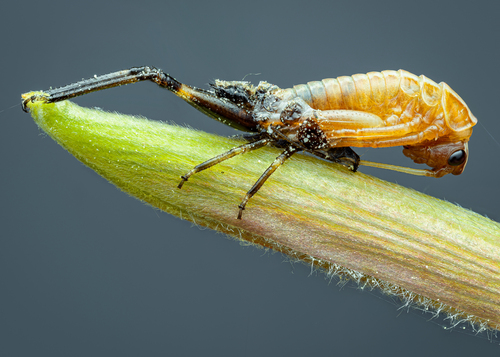
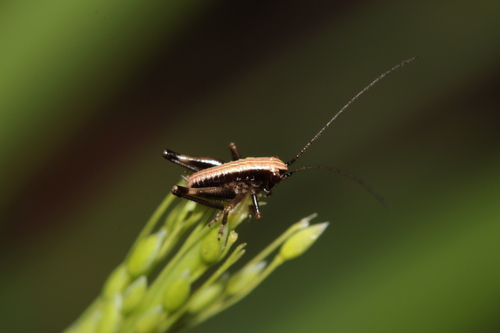
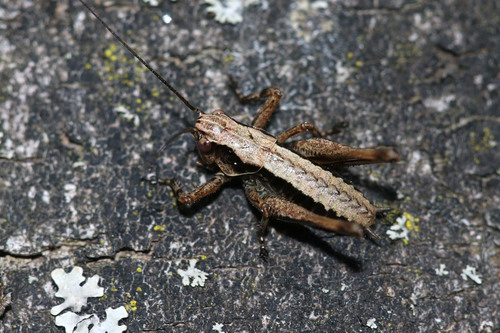
Pholidoptera griseoaptera (De Geer, 1773)
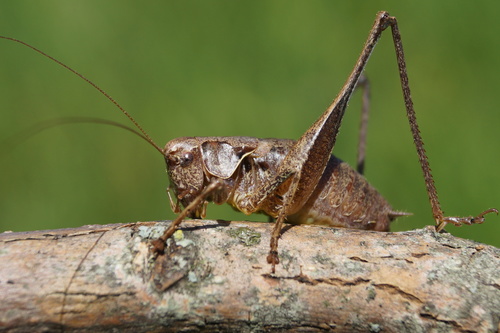
Source: Wikipedia
Synonyms 9
- 267,718 GBIF occurrences
- 40,486 iNaturalist observations
This species is very widespread and common in Europe. It is expanding its range at its northwestern range border (Hochkirch 2001, Karner-Ranner 2009). The overall population trend is increasing.
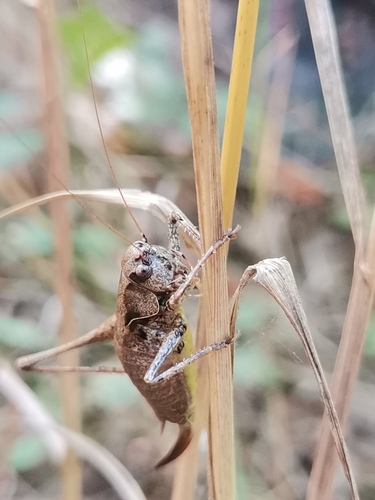
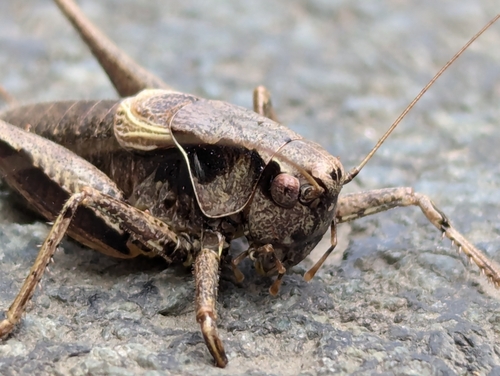
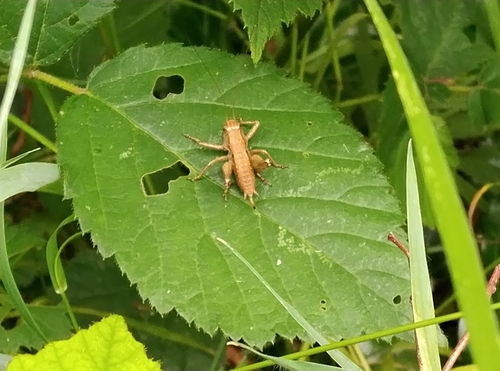
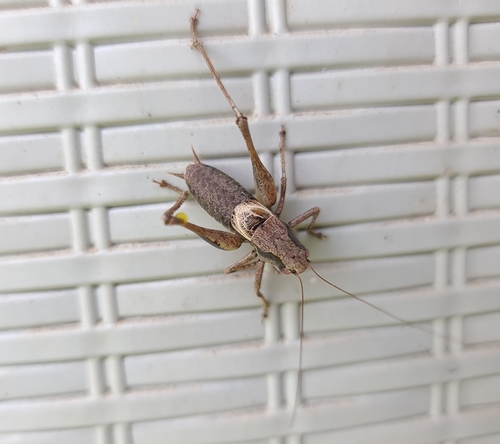
This is a typical forest-edge dwelling species, and it is also found in high forbs and bushes, clearings, thickets, wasteland, hedges and gardens, and also grassland habitats (Baur et al. 2006, Bellmann 2006). Even though the species is flightless it has a comparatively good dispersal ability (Diekötter et al. 2005).
The species is locally threatened by the removal of bushes or natural forest edges (Grein 2010).
There are no specific conservation measures in place or needed for this species. It occurs in protected areas. Research into its population trend is required.
European regional assessment: Least Concern (LC)EU 28 regional assessment: Least Concern (LC)The Common Dark Bush-cricket (Pholidoptera griseoaptera) occurs from the European Atlantic coast to the Caucasus. This species is assessed as Least Concern since it is one of the most widespread and common bush-crickets in Europe and it appears to be expanding its range at the northwestern range margin.
Gallery