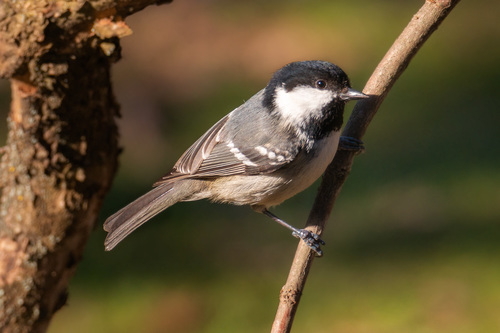
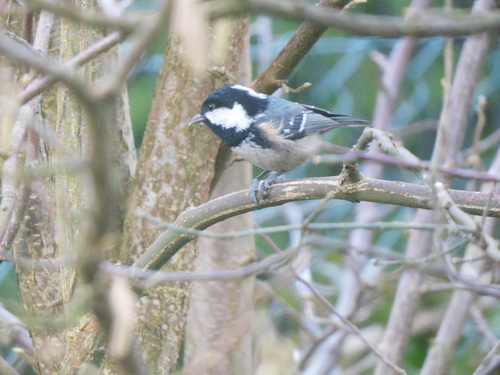
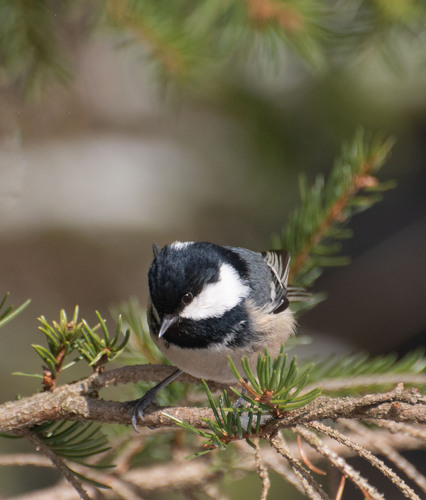
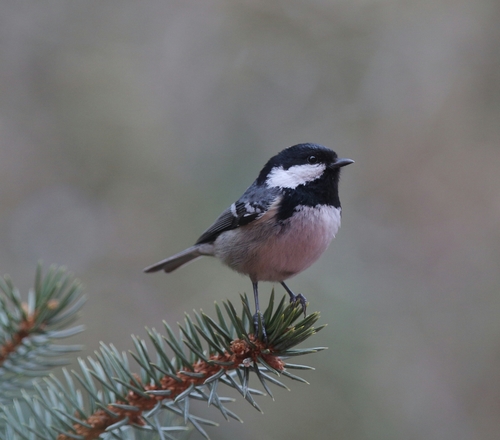
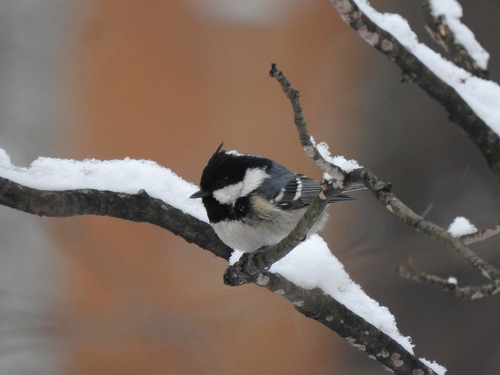
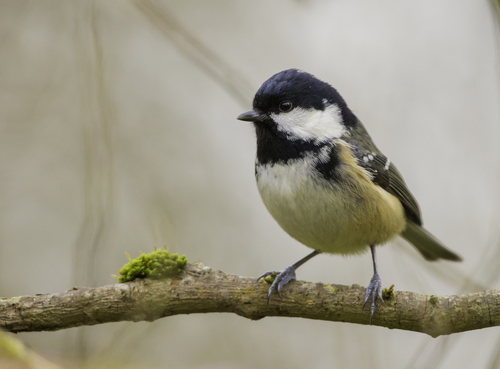
Periparus ater (Linnaeus, 1758)
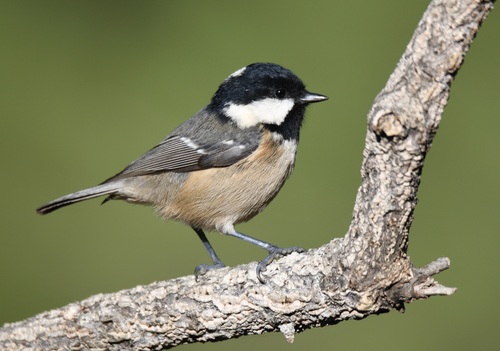
Source: Wikipedia
Synonyms 35
- 2,528,628 GBIF occurrences
- 46,387 iNaturalist observations
In Europe, the total population size is estimated at 31,500,000-55,700,000 mature individuals, with 15,700,000-27,900,000 breeding pairs (BirdLife International 2021), and comprises approximately 35% of the species' global range, so a very preliminary estimate of the global population size is between 90,000,000-159,000,000 mature individuals, although further validation of this estimate is desirable. In Europe, the species' population is considered to have remained relatively stable over three generations (10 years) (BirdLife International 2021). Based on these data, and the proportion of the species' global range that this region holds, the global population size is considered to be stable over three generations.
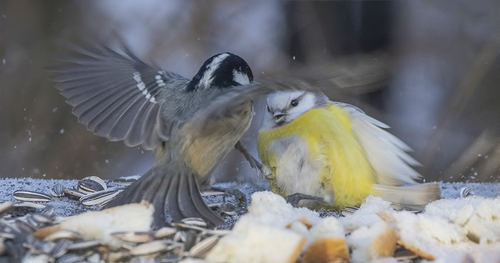
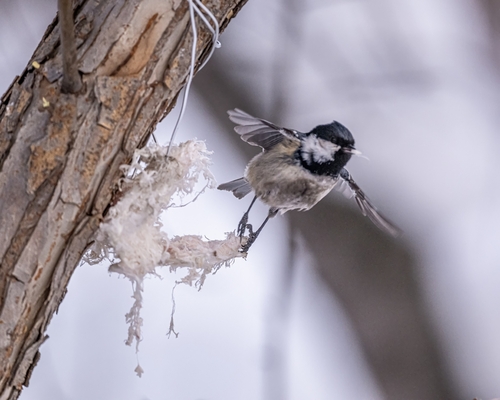
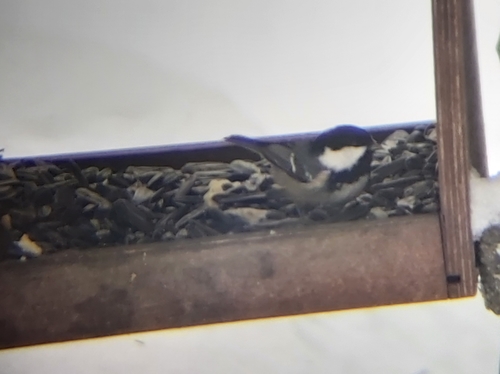
This species occupies conifer forests of various compositions and structure (Hagemeijer and Blair 1997). It uses spruce (Picea), mixed forest often dominated by birch (Betula) and in pine (Pinus) and larch (Larix) in Siberia. In Europe it is often found in conifer plantations and in urban and suburban areas with small numbers of conifers. Outside the breeding season it uses similar habitats, but is also more frequently found in deciduous woodland, parks and gardens. The breeding season is from the end of March to late July and it breeds later in the north of its range than in the south. The nest is cup-shaped and made almost entirely of moss, some animal hair and wool with some feathers incorporated. It is placed in a hole or cavity in a tree trunk or old stump, but sometimes it also uses a hole or crevice in a wall or rocks, in the ground under stones or a nestbox. Clutches are five to thirteen eggs. It feeds on invertebrates, seeds and sap and will visit bird tables and feeders. It has also learnt to pierce or open milk-bottle tops to take cream. The species is resident or makes short-distance altitudinal movements in south and west of the range. Northern and eastern populations move longer distances (Gosler and Clement 2007).
Declines in central Europe are due to large-scale reductions in arthropods caused by industrial pollution and acid rain (Hagemeijer and Blair 1997, Gosler and Clement 2007).
Conservation Actions UnderwayBern Convention Appendix II. Subspecies Parus ater cypriotes is listed under Annex I of the EU Birds Directive. There are currently no known conservation measures for this species within Europe.Conservation Actions ProposedThe species would benefit from a reduction in industrial emissions.
This species has an extremely large range and the population size is extremely large, hence does not approach threatened thresholds for the range or population size criteria. The population trend appears to be stable, and hence the species does not approach the thresholds for Vulnerable under the population trend criterion. For these reasons the species is evaluated as Least Concern.
Gallery