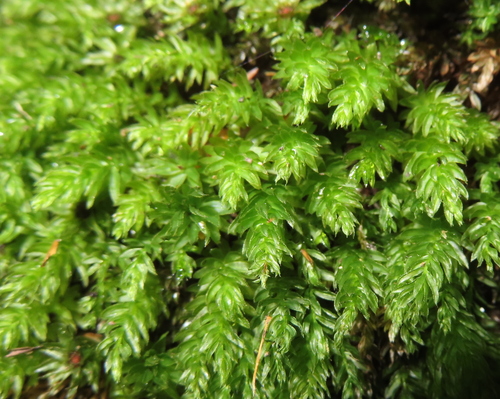
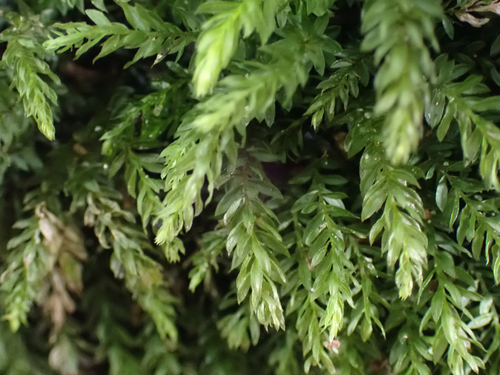
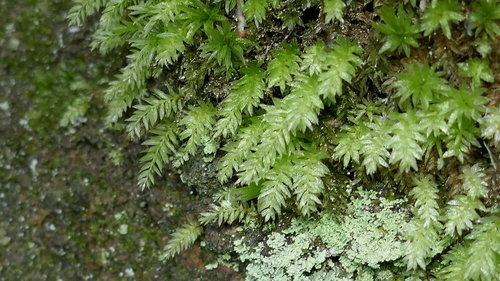
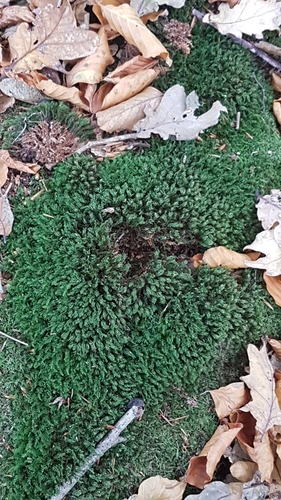
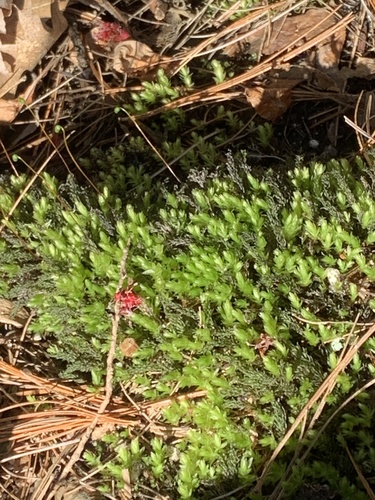
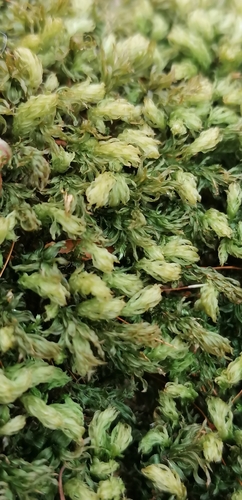
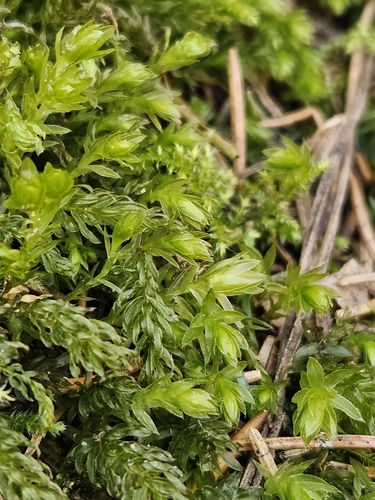
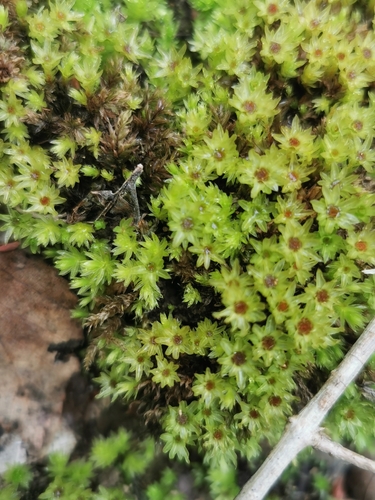
Mnium hornum Hedw.
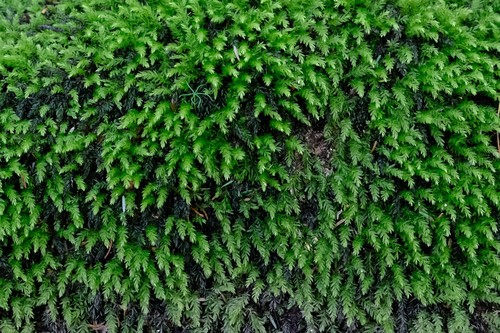
Source: Wikipedia
Synonyms 8
- 131,825 GBIF occurrences
- 9,370 iNaturalist observations
Numerous subpopulations of this species are known. The species is frequently fertile. In western and central Europe, this species appears be stable, and the overall current population trend of this species is considered to be stable in both Europe and the EU 28. This species is known from many localities and is one of most frequent Mnium species in northern, western and central Europe.
This species is mostly found in boreal and temperate regions where it grows in wet shaded habitats on acidic substrates. For example, on humus, acidic clay, peaty soils, sandstone, the floor of coniferous forests, on old logs and stumps, on soil-covered acidic rocks and on wet ground along springs, streams and lakes. In very humid conditions, it may ascend some distance up tree trunks and along large mossy branches. On calcareous soils, it prefers rotting wood and pockets of leached ground. It is not confined to woodlands and also occurs in rough acidic grasslands and marshes. In sub-arctic regions, it has been found in tundra, and damp roadside ditches (NISM 2017, Blockeel et al. 2014, Konstantinova et al. 2014).
A possible threat to this species may be the reduction of forest areas due to timber harvesting and recreation activity, such as trampling (Tzvelev 2000).
This species is assessed as Near Threatened (NT) in the Red Lists of Sicily and Hungary, and is also assessed in two regions of Russia; Murmansk Province (3 – rare species) and Leningrad Province (3) (Tzvelev 2000, Campisi et al. 2002, Papp et al. 2010, Konstantinova et al. 2014). A lot of the known subpopulations occur within protected areas. No conservation measures are required at present.
European regional assessment: Least Concern (LC)EU 28 regional assessment: Least Concern (LC)The Swan's-neck Thyme-moss (Mnium hornum) is known from many localities and is one of most frequent Mnium species in north, western and central Europe. In Europe, this species has large geographic range, with an extent of occurrence (EOO) is estimated to be around 12 million km2. In the EU 28, this species is widely distributed in south of Sweden and Finland, as well as in many other EU 28 countries. Numerous subpopulations of this species are known and the overall current population trend of this species is considered to be stable in both Europe and the EU 28. This species is therefore assessed as Least Concern in both Europe and the EU 28.However, a possible threat to this species may be the reduction of forest areas due to timber harvesting and recreation activity, such as trampling. Even so, no conservation measures are required at present.
Gallery