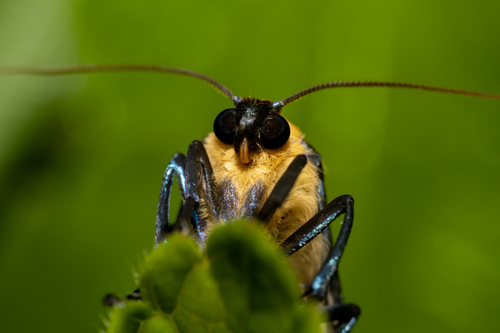
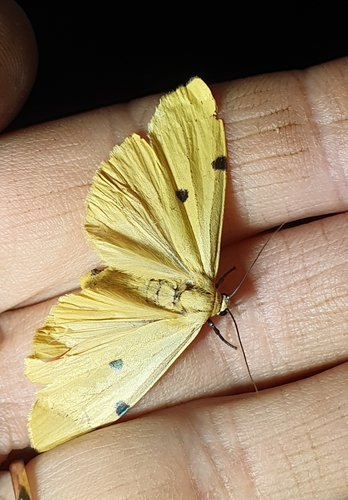
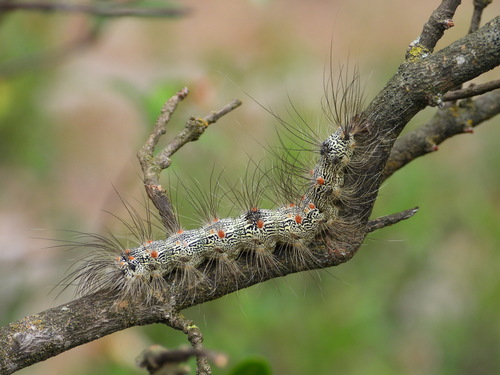
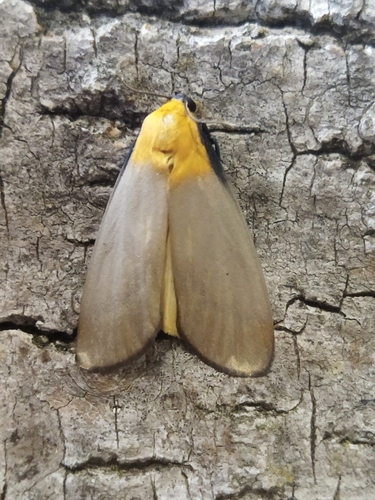
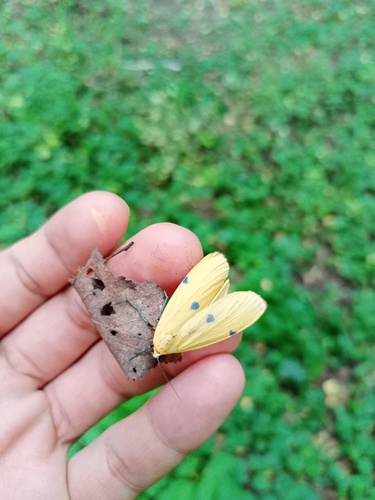
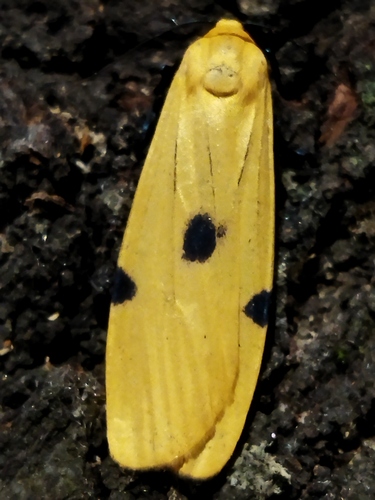
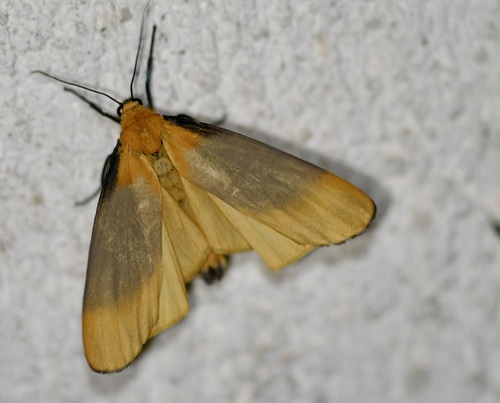
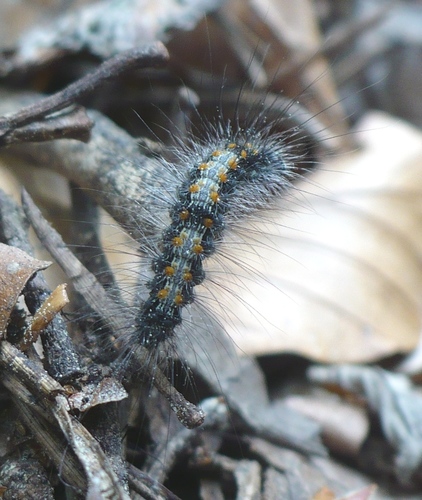
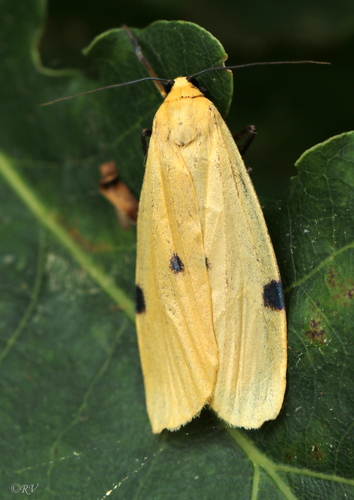
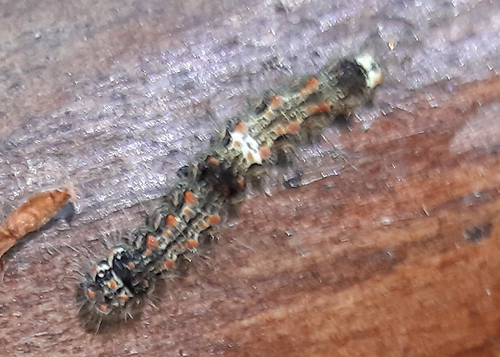
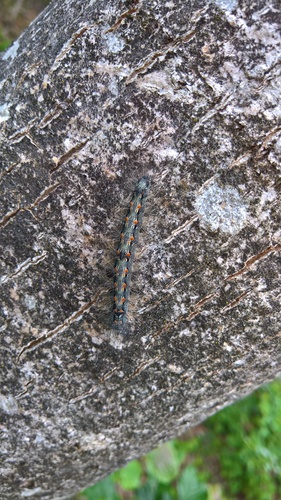
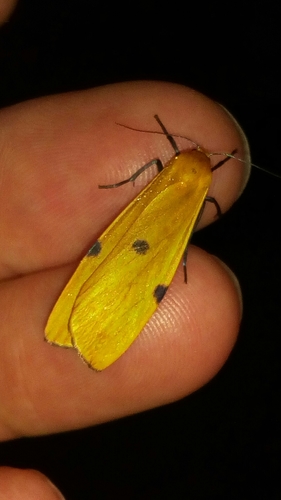
Lithosia quadra (Linnaeus, 1758)
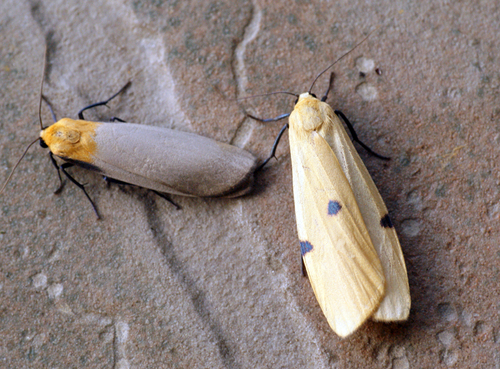
Source: Wikipedia
Synonyms 18
- 74,116 GBIF occurrences
- 13,290 iNaturalist observations
There is no information on the population size or trend of this species.
Habitats include temperate forest (23%), plantations (19%), arable land (15%), urban areas (15%), and temperate shrubland (13%).
There are no known widespread or significant threats for this species.
In Europe, this species is listed as: LC on the national Red List of the United Kingdom and shows a trend of 320.10% over the period 2000 - 2016 (Cook et al. 2021), LC in Ireland (Allen et al. 2016), NE on the preliminary Red List of the Netherlands (Ellis et al. 2013), LC in Finland (Hyvärinen et al. 2019), LC in Sweden (SLU Artdatabanken 2020), EN in Germany Rennwald et al. 2011, Trusch et al. 2011, Wachlin and Bolz 2011), LC in the Vorarlberg region in Austria (Huemer et al. 2022), LC in Romania (Rakosy et al. 2023)), LC in the region Flanders in Belgium (Veraghtert et al. 2023)
European regional assessment: Least Concern (LC)EU 27 regional assessment: Least Concern (LC)This species is not endemic to the European region. It has an established population in Europe and within the EU, and has been documented or assumed to be established with a permanently reproducing population with no major threats, and the species is not considered to be severely fragmented or to be undergoing continuing decline in any aspect of its distribution, population or habitat. The species does not meet any of the criteria for a threatened Category, and is therefore assessed as Least Concern (LC) for both Europe and for the EU27 Member States.
Gallery