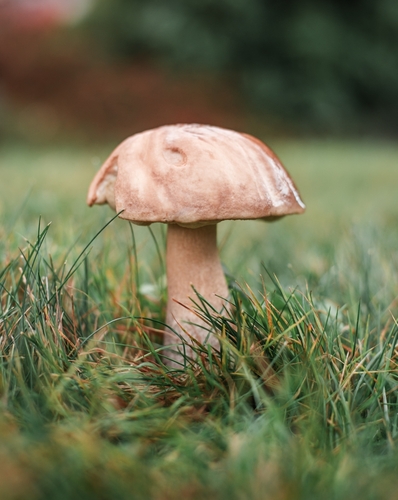
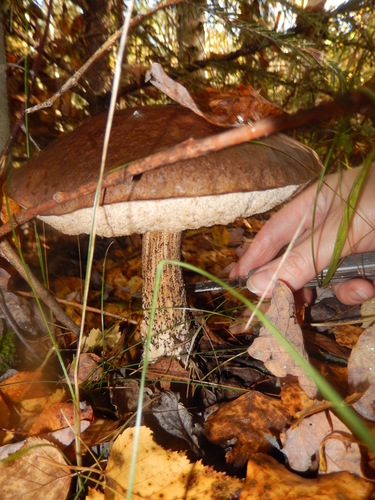
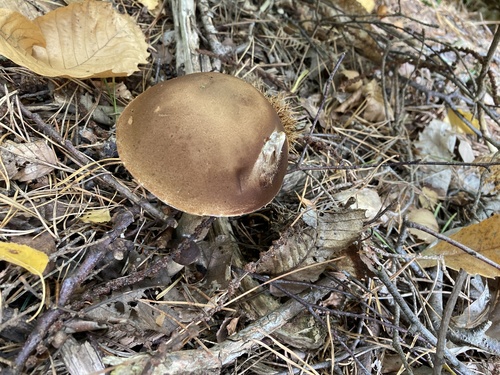
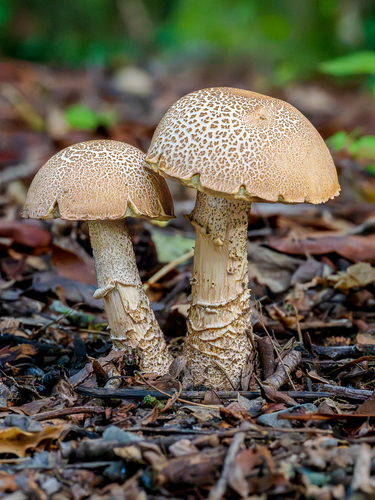
Leccinum scabrum (Bull.) Gray
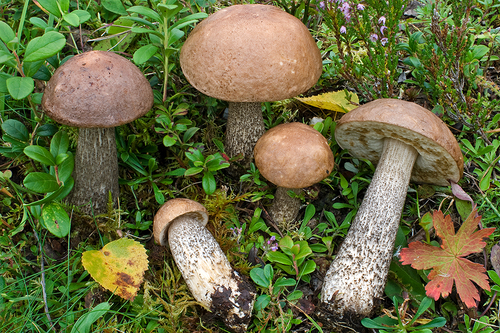
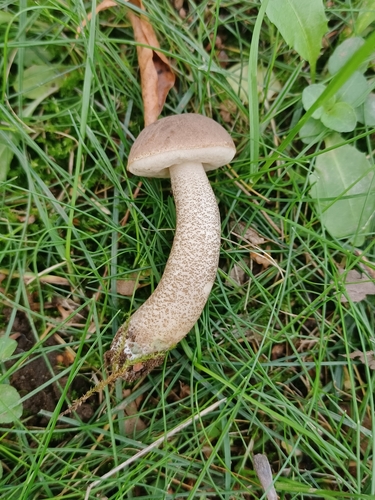
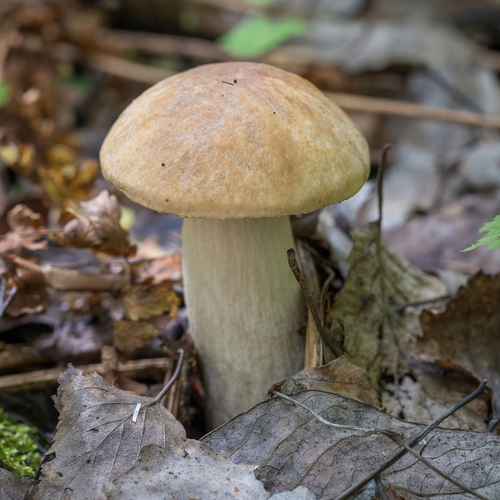
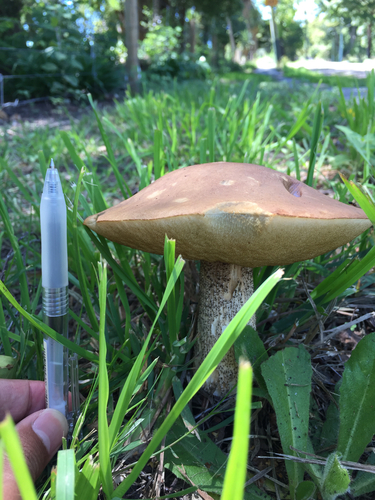
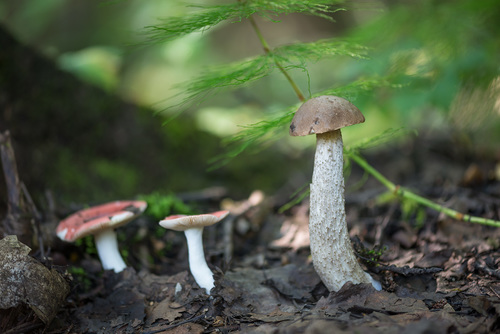
Leccinum scabrum, commonly known as the birch bolete, rough-stemmed bolete, or scaber stalk, is a species of fungus in the family Boletaceae. It was formerly classified as Boletus scaber.
Source: Wikipedia
Synonyms 49
Boletus albus, Boletus avellaneus, Boletus gilletii, Boletus niveus, Boletus oxydabilis, Boletus roseofractus, Boletus rotundifoliae, Boletus scaber, Ceriomyces scaber, Gyroporus albus, Gyroporus scaber, Krombholzia nivea, Krombholzia oxydabilis, Krombholzia rotundifoliae, Krombholzia rufa, Krombholzia scabra, Krombholziella avellanea, Krombholziella nivea, Krombholziella oxydabilis, Krombholziella roseofracta, Krombholziella rotundifoliae, Krombholziella scabra, Leccinum avellaneum, Leccinum niveum, Leccinum oxydabile, Leccinum rigidipes, Leccinum roseofractum, Leccinum rotundifoliae, Leccinum subcinnamomeum, Suillus albus, Suillus gilletii, Suillus scaber, Trachypus scaber, Tubiporus scaber, Leccinum scabrum subsp. niveum, Leccinum scabrum subsp. tundrae, Boletus oxydabilis var. chioneoscaber, Boletus oxydabilis var. immutabilis, Boletus scaber var. areolatus, Boletus scaber var. brunneus, Boletus scaber var. chioneus, Boletus scaber var. cinnamomeus, Boletus scaber var. coloratipes, Boletus scaber var. decipiens, Boletus scaber var. fuligineus, Boletus scaber var. fuscus, Boletus scaber var. leuphaeus, Boletus scaber var. niveus, Boletus scaber var. oxydabilis
- 53,382 GBIF occurrences
- 22,705 iNaturalist observations
Conservation status code
LC
Conservation: status label
Least Concern
Conservation: population trend
Stable
Conservation: year assessed
2026
IUCN Red List page
Habitats
IUCN: population narrative
This taxon has a widespread native distribution across multiple countries in the northern hemisphere; as such the global population is suspected to be large. It is also commonly found associated with introduced trees in South America and Australasia.
IUCN: threats narrative
This taxon may face threats associated with land use change in some areas of its wide distribution; however, no major threats have been identified that are likely to affect its extinction risk in a short time
IUCN: rationale
This species has a very wide distribution, large population, is not currently experiencing any major threats and no significant future threats have been identified. This species is therefore assessed as Least Concern.
Gallery
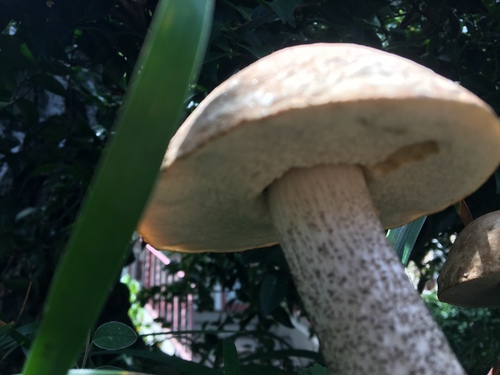
© mink, all rights reserved