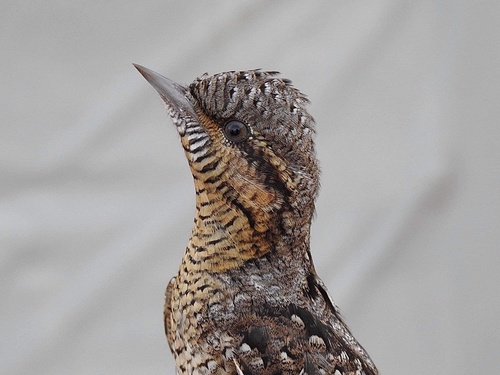
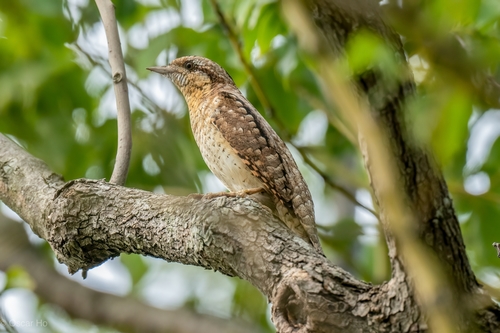
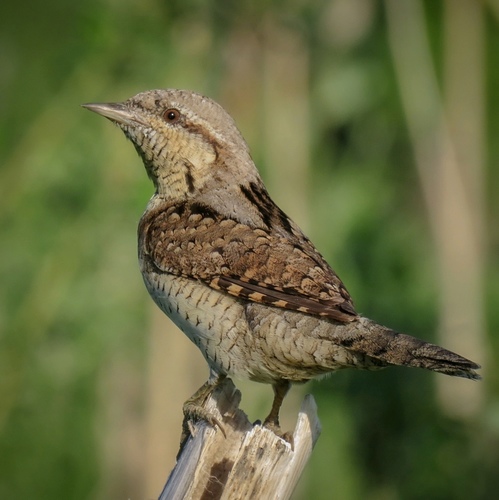
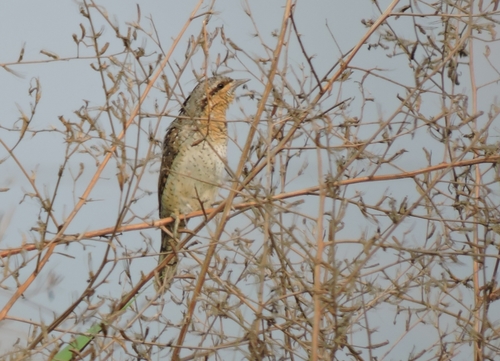
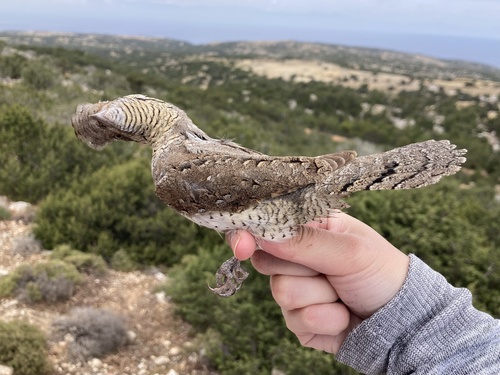
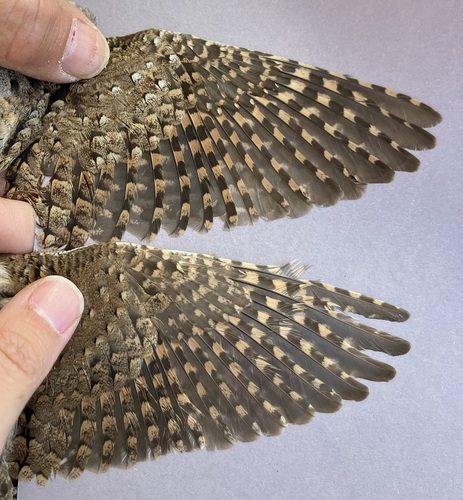
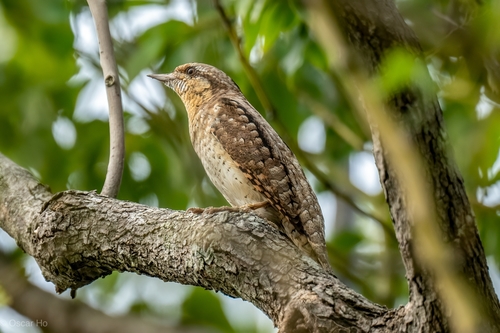
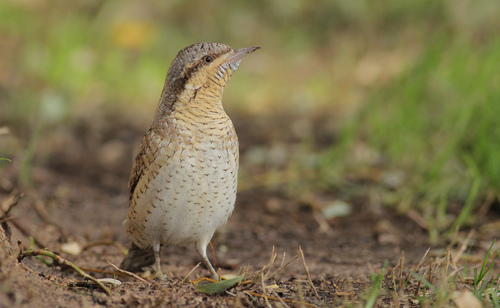
Jynx torquilla Linnaeus, 1758
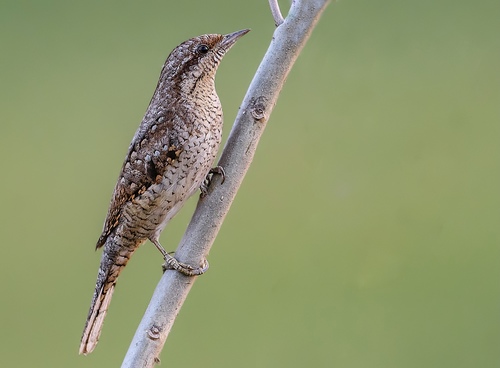
Source: Wikipedia
- 565,898 GBIF occurrences
- 11,852 iNaturalist observations
In Europe, the total population size is estimated at 1,590,000-3,040,000 mature individuals, with 795,000-1,520,000 breeding pairs (BirdLife International 2021), and comprises under half (c.40%) of the species' global range. The global population size has therefore been estimated at 3,980,000-7,600,000 mature individuals.
This species uses open forest, clearings, woodland with low undergrowth, wooded pasture and unimproved meadowland with scattered trees so long as dry and sunlit, and grass areas not too well developed. It avoids damper vegetation and higher mountains (Winkler et al. 2015). It is territorial and partners display by head-swinging with ruffled head feathers. Laying occurs from May to June. The nest-site is selected by both sexes and is usually in a natural cavity, an old hole of another woodpecker, or an artificial nestbox. Typically seven to twelve eggs are laid (Winkler et al. 2015). It feeds mostly on the larvae and pupae of ants. In northern areas or during bad weather insects, spiders, even tadpoles and berries may be fed to young (Tucker and Heath 1994). Across most of its range, it is fully migratory with breeding birds from Europe and western Asia wintering in western, central and eastern Africa and eastern populations wintering in the northern and central Indian Subcontinent and south-east Asia (Winkler et al. 2015).
Declines have been attributed to climatic changes, resulting in increased rainfall during the breeding season (Hagemeijer and Blair 1997, Winkler et al. 2015). Since the 1950s, the loss of important such as orchards and unimproved meadows and the replacement of hardwoods with conifers have also caused declines and the conversion of many areas to agriculture combined with an increase in the use of pesticides have also decreased the abundance of ants (Winkler et al. 2015).
Conservation Actions UnderwayBern Convention Appendix II. It is listed as a priority species in the U.K. Biodiversity Action Plan. Conservation Actions ProposedThe use of pesticides should be reduced in agricultural areas and orchards and low-intensity management techniques applied to meadows, pastures and orchards in order to help sustain ant populations. These habitats should also be preserved from conversion to intensively managed open fields or commercial forestry plantations. In addition suitable nest-sites in woods and along forest edges should be protected and where nest-sites are limiting, nest boxes should be erected (Tucker and Heath 1994).
This species has an extremely large range, and hence does not approach the thresholds for Vulnerable under the range size criterion (extent of occurrence under 20,000 km² combined with a declining or fluctuating range size, habitat extent/quality, or population size and a small number of locations or severe fragmentation). The population size is extremely large, and hence does not approach the thresholds for Vulnerable under the population size criterion (under 10,000 mature individuals with a continuing decline estimated to be over 10% in ten years or three generations, or with a specified population structure). The population trend appears to be stable, and hence the species does not approach the thresholds for Vulnerable under the population trend criterion (over 30% decline over ten years or three generations). For these reasons the species is evaluated as Least Concern.
Gallery