Isothecium alopecuroides (Lam. ex Dubois) Isov.
Synonyms 49
- 47,350 GBIF occurrences
- 1,608 iNaturalist observations
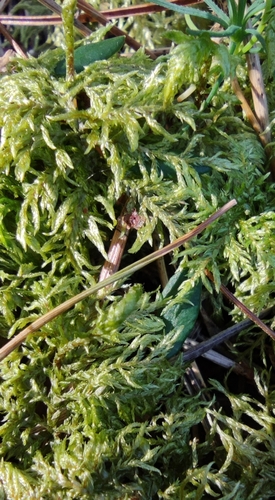
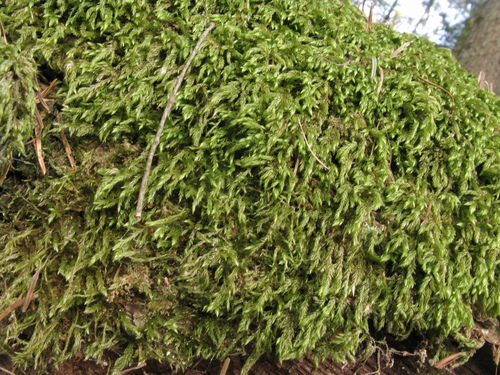
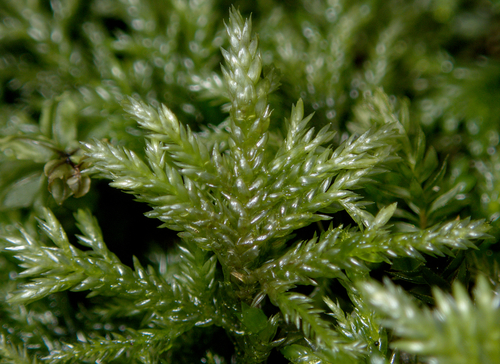
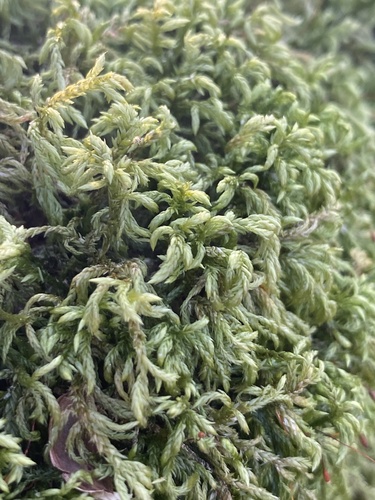
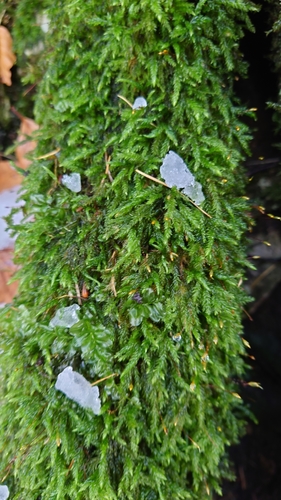
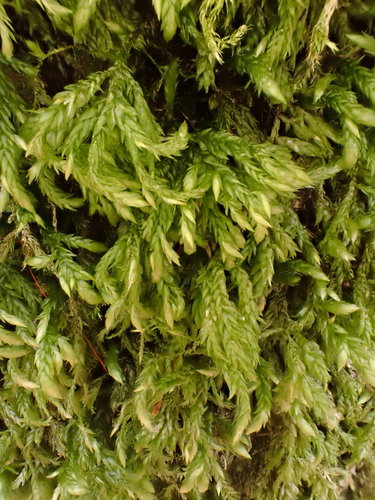
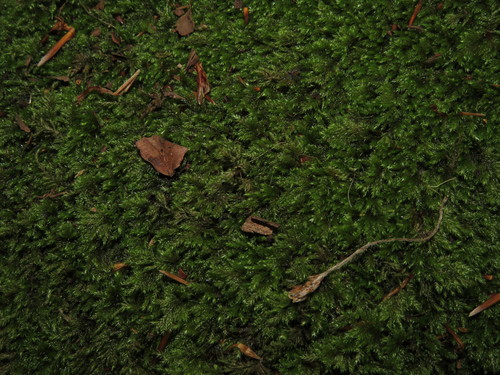
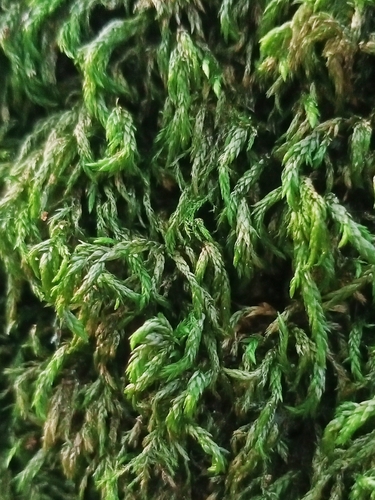
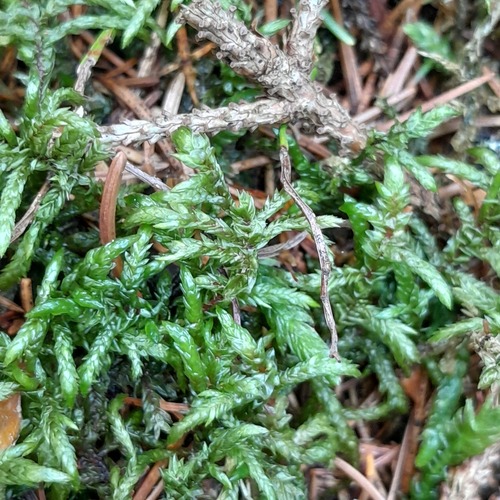
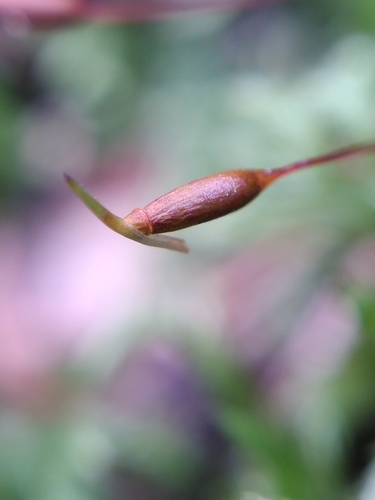
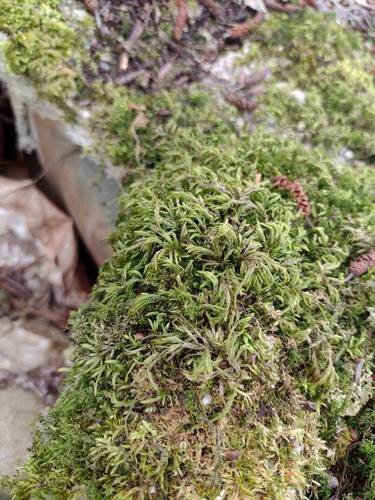
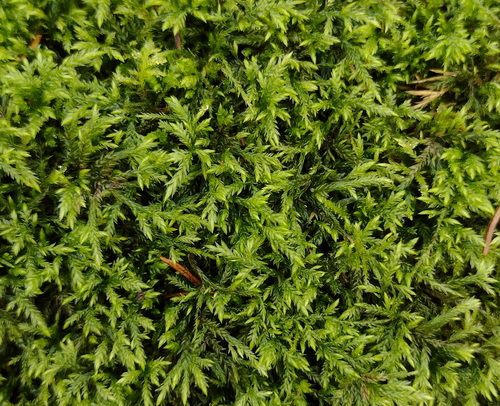
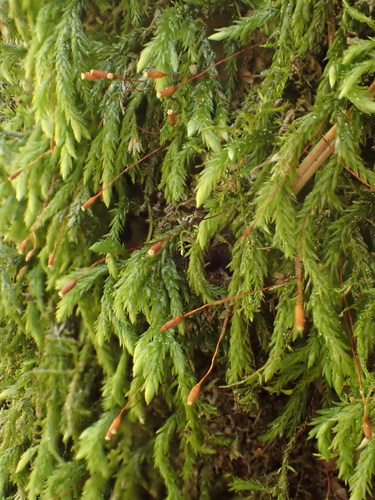
This is a stress-tolerant perennial species (Dierssen 2001), forming dark green wefts (Casas et al. 2006) or green to yellowish green tufts or patches, sometimes extensive (Smith 2004). The species is dioicous and capsules are occasional in Great Britain, maturing in winter (Blockeel et al. 2014). Presently, the overall population size is very large and the current population trend is thought to be stable.
This species occurs in acidophyte-subneutrophyte mesophyte substrata (Dierssen 2001), especially on wet rocks and at bases of trees (Casas et al. 2006, Blockeel et al. 2014), but also as a ready colonist of old (often mortared) walls and ruined buildings in sheltered places (Blockeel et al. 2014). In Great Britain and Ireland, its altitudinal range goes from sea level up to 2,353 m Asl (Blockeel et al. 2014, Swissbryophytes 2018), but in the Iberian Peninsula it may be found in montane areas and high mountains (Casas et al. 2006).
Even though this species may be locally threatened (e.g., Netherlands), at the European level there are no major threats to this widespread species.
This species is known to occur in protected areas and is listed in the following National Red Lists: Netherlands as Vulnerable and the Canary Islands as Data Deficient (Hodgetts 2015). In the Azores, it is also considered a Data Deficient species (Gabriel et al. 2011).
European regional assessment: Least Concern (LC) EU 28 regional assessment: Least Concern (LC)Isothecium alopecuroides is a widespread species in Europe. This species is assessed as Least Concern since it has a large geographic range, the population size is very large and the current population trend is assumed to be stable. At the European level, there are no major known threats.
Gallery