
Hypogymnia physodes (L.) Nyl.
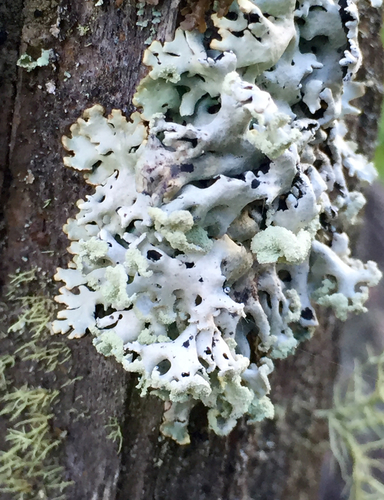
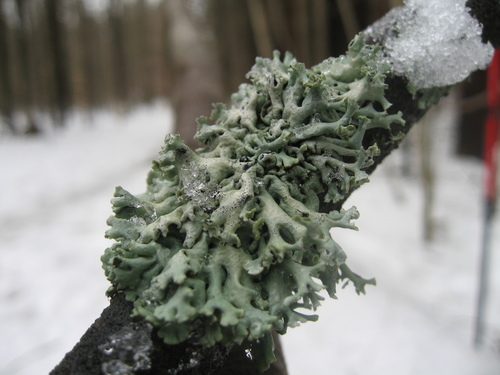
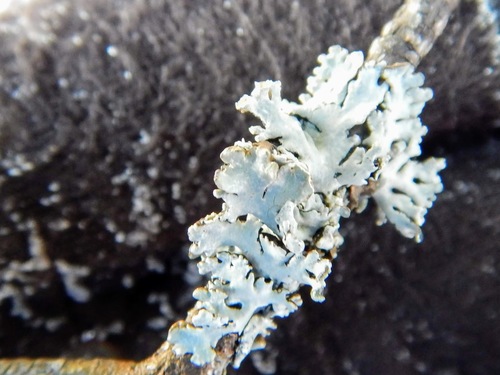
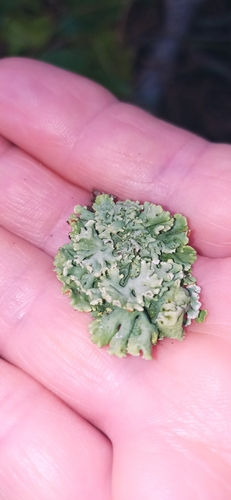
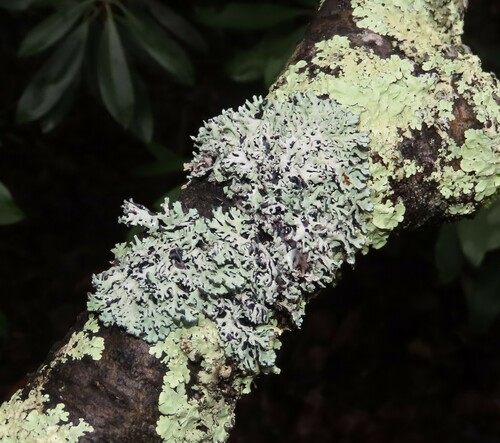
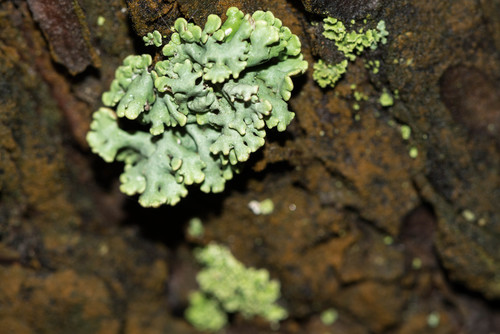
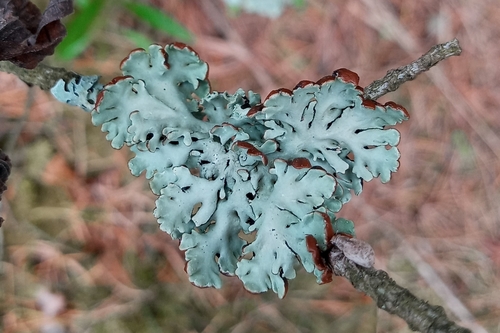
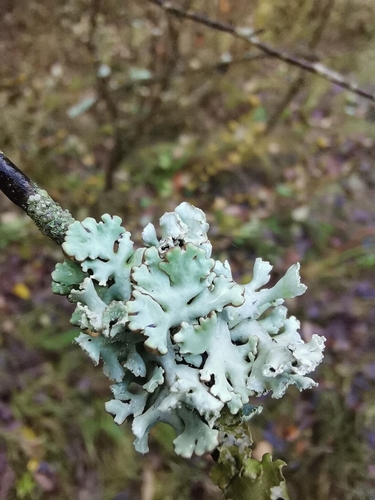
Hypogymnia physodes, commonly known as the monk's-hood lichen, is a species of foliose lichen in the family Parmeliaceae. It is a common and widespread species in boreal and temperate forests of the Northern Hemisphere. It has a grey to yellowish-green thallus that is loosely attached to its substrate and forms large irregular patches. Hollow lobes are 2–3mm wide. The outer edge turns up and is frequently covered with white powdery soredia underneath. Its lower surface is black, wrinkled and has some browning toward the lobe margins. The pycnidia are black and abundant, and their presence creates a pepper-like effect across the upper surface. Because of its abundance and its moderate sensitivity to sulphur dioxide and heavy metals, Hypogymnia physodes is often used in bioindicator and biomonitoring studies that enable the assessment of air pollution and other environmental conditions.
Source: Wikipedia
Synonyms 32
Ceratophyllum physodes, Imbricaria physodes, Lichen physodes, Lobaria physodes, Menegazzia physodes, Parmelia physodes, Parmelia platyphylla, Physcia physodes, Ceratophyllum physodes var. labrosa, Ceratophyllum physodes var. platyphylla, Hypogymnia physodes var. labrosa, Hypogymnia physodes var. platyphylla, Imbricaria physodes var. platyphylla, Lichen laciniatus var. physodes, Lichen laciniatus var. tubulosus, Menegazzia physodes var. platyphylla, Parmelia ceratophylla var. physodes, Parmelia ceratophylla var. platyphylla, Parmelia physodes var. labrosa, Parmelia physodes var. platyphylla, Hypogymnia physodes f. labrosa, Hypogymnia physodes f. platyphylla, Hypogymnia physodes f. subtubulosa, Hypogymnia physodes f. vittatoides, Imbricaria physodes f. labrosa, Parmelia physodes f. fuscescens, Parmelia physodes f. labrosa, Parmelia physodes f. platyphylla, Parmelia physodes f. subtubulosa, Parmelia physodes f. vittatoides, Parmelia physodes subf. labrosa, Lichen laciniatus physodes
- 116,174 GBIF occurrences
- 30,786 iNaturalist observations
Gallery
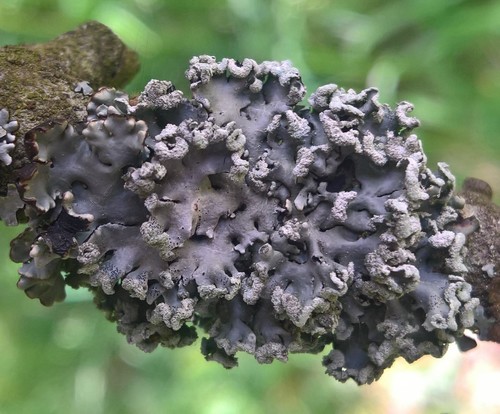
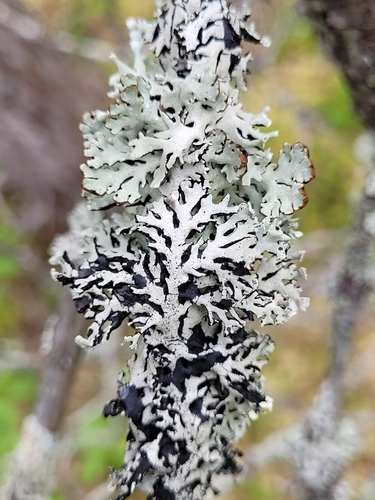
© Samuel Brinker, all rights reserved
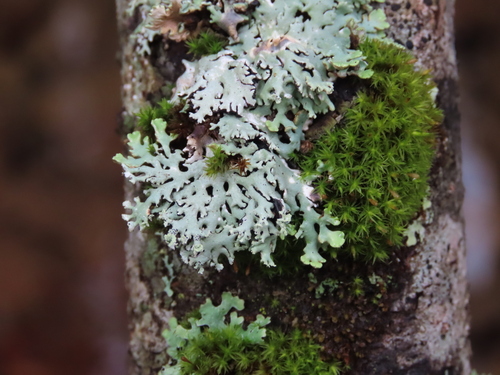
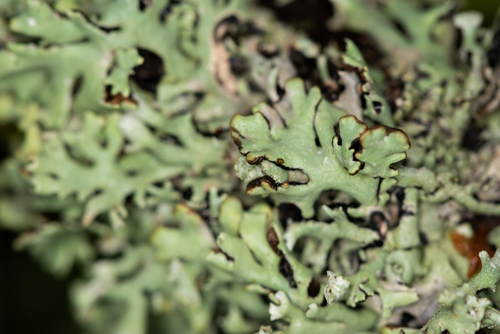
© Laszlo Siklosi, all rights reserved
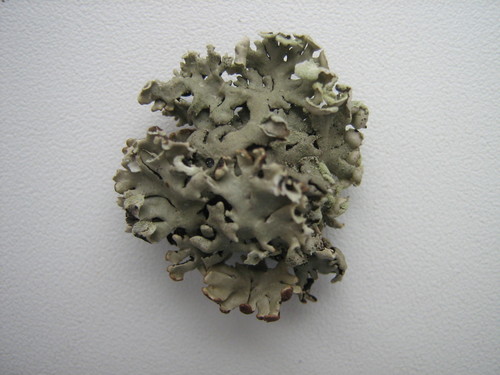
© Viktorija Burinskiene, all rights reserved
© Анастасия Косарева, all rights reserved