Hylocomium splendens (Hedw.) Schimp.
Source: Wikipedia
Synonyms 36
- 239,848 GBIF occurrences
- 37,371 iNaturalist observations
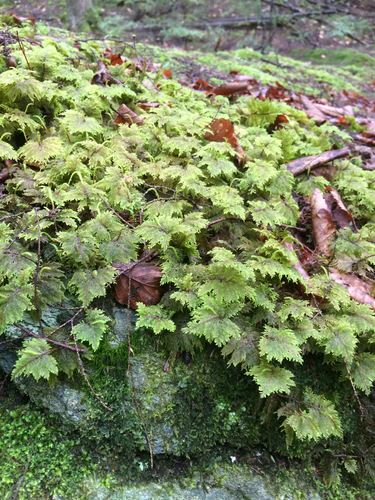
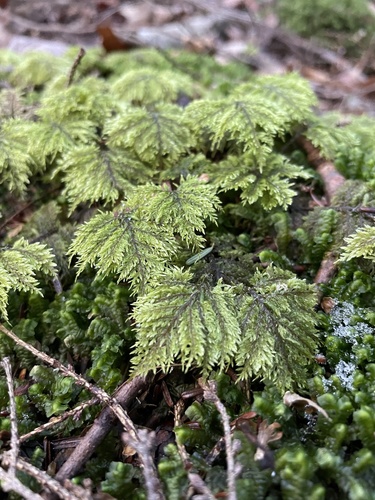
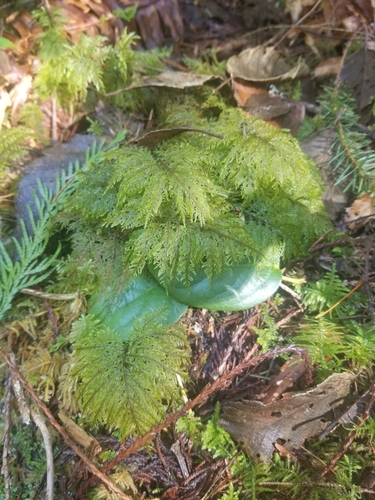
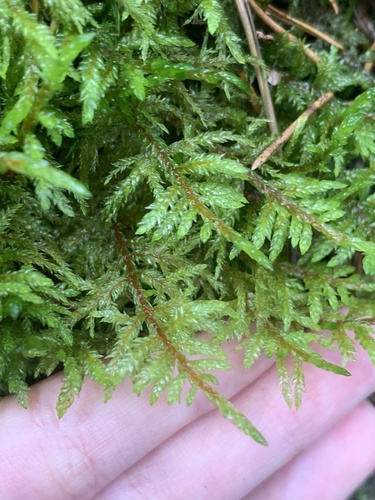
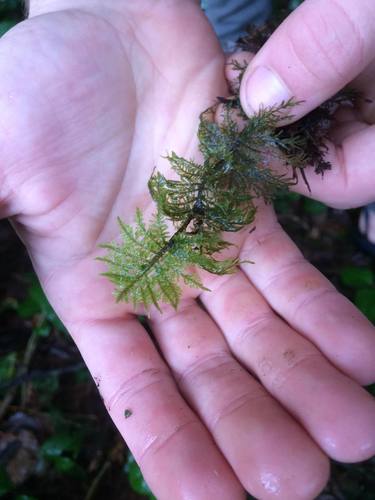
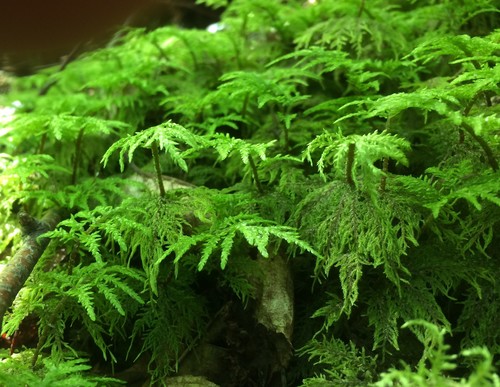
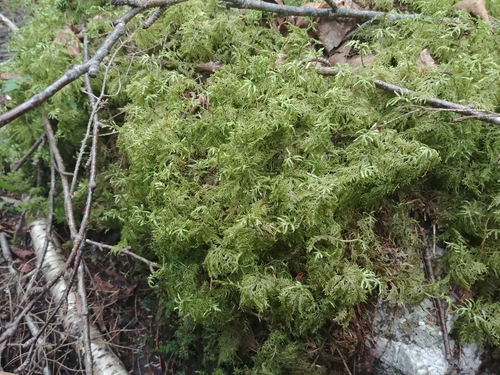
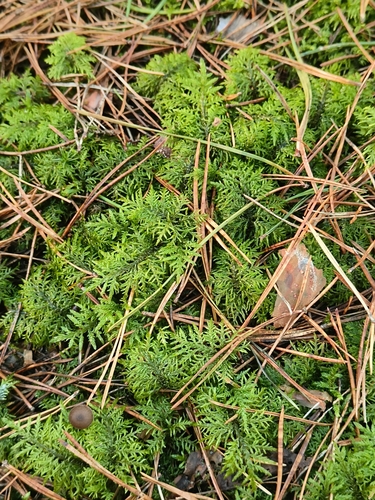
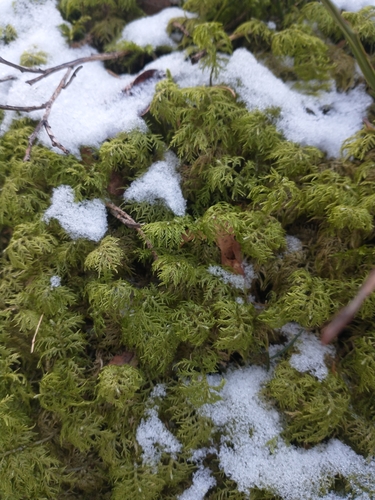
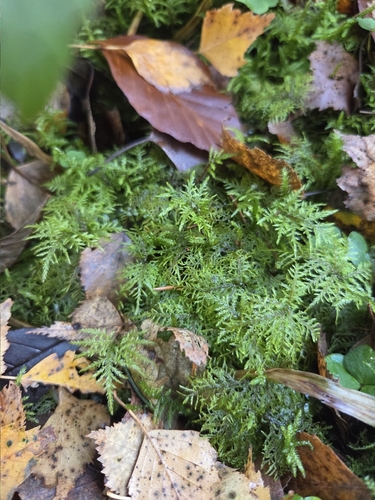
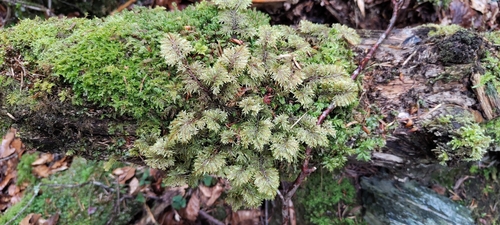
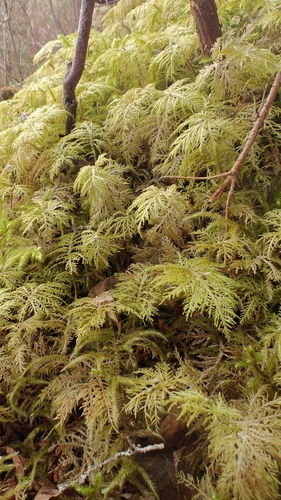
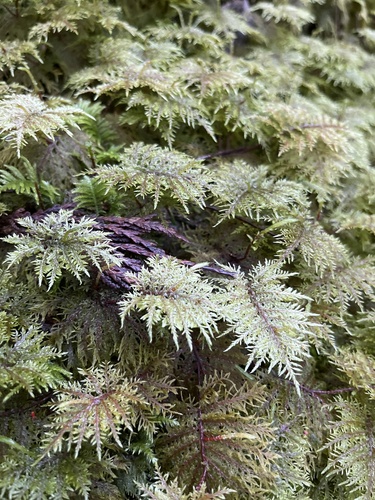
This is a competitive perennial species (Dierssen 2001), forming tall, extensive, stratified yellowish green to brownish green coarse wefts or patches (Smith 2004, Casas et al. 2006). The species is dioicous and capsules are very rare in Great Britain but relatively common in some regions of Scandinavia, maturing in early spring (Blockeel et al. 2014, L. Hedenäs pers. comm. 2017). During the last part of the 20th Century, there was a tendency for the species to be eliminated from the most acidic sites due to atmospheric pollution (Farmer et al. 1992, Dierssen 2001) but there are now signs of recovery in some of these areas (Blockeel et al. 2014). Presently, the overall population size is very large and the current population trend is thought to be stable, although a decrease in relative abundance was recorded in Finland (Mäkipää and Heikkinen 2003).
This species occurs in usually acidic habitats on soil, in turf on banks, on heaths, moorland, sand-dunes, cliff ledges, roadsides, stream banks, in chalk and limestone grassland where leached, calcifuge (Smith 2004). In the Iberian Peninsula, it is mostly found on humus-rich soils in forests (Casas et al. 2006). Its altitudinal range goes from sea level up to almost 3,000 m Asl (Blockeel et al. 2014, Swissbryophytes 2018), but in the Iberian Peninsula it is mainly found in montane areas and high mountains (Casas et al. 2006).
Even though this species may be locally threatened (e.g., Netherlands, Sicily) or regionally decreasing (Finland), at the European level there are no major threats to this widespread species.
This species is found in protected areas and is listed in the following national red lists: Netherlands as Vulnerable, Sicily as "at risk" and the Canary Islands as Data Deficient (Hodgetts 2015).
European regional assessment: Least Concern (LC)EU 28 regional assessment: Least Concern (LC)Hylocomium splendens is a circumpolar wide-boreal species. This species is assessed as Least Concern in Europe since it has a large geographic range, the population size is very large and the current population trend is assumed to be stable. At the European level, there are no major known threats.
Gallery