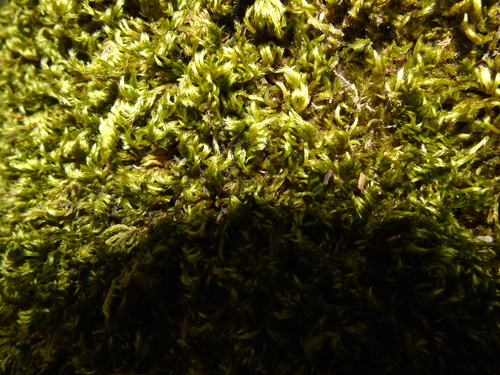
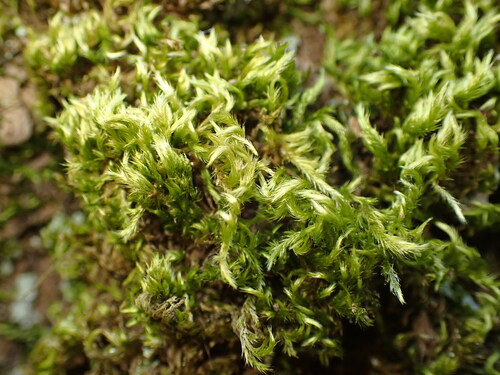
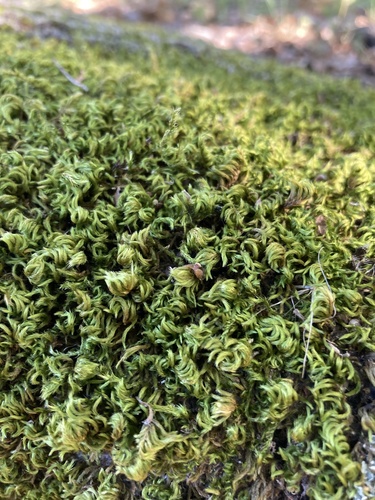
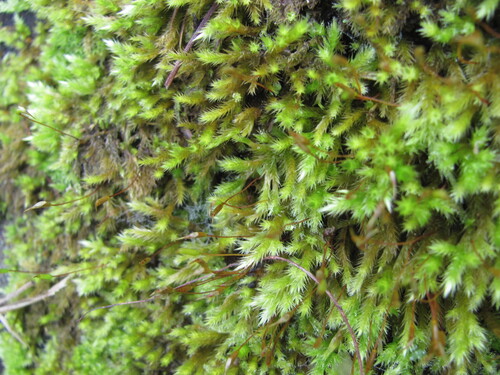
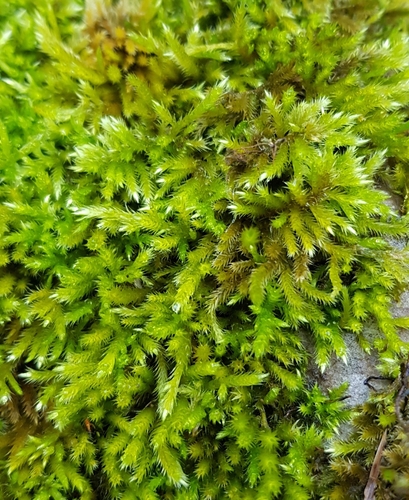
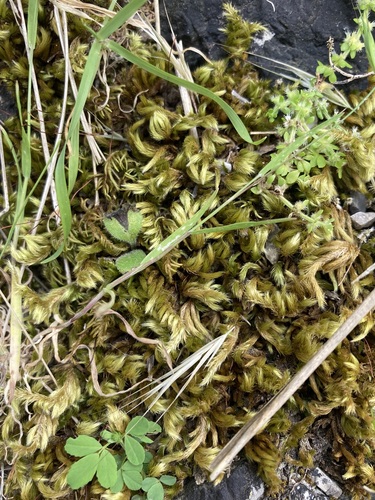
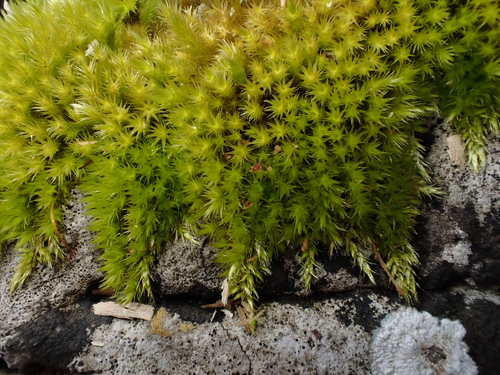
Homalothecium sericeum (Hedw.) Schimp.
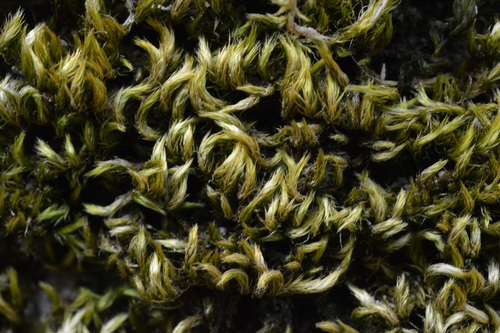
Source: Wikipedia
Synonyms 43
- 103,735 GBIF occurrences
- 7,022 iNaturalist observations
This species is common and widespread and is often recorded across Europe. It is considered to have a stable population trend.
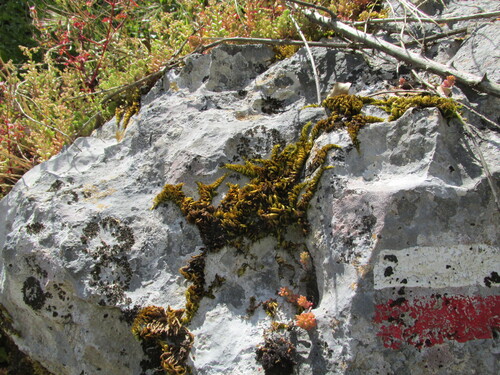
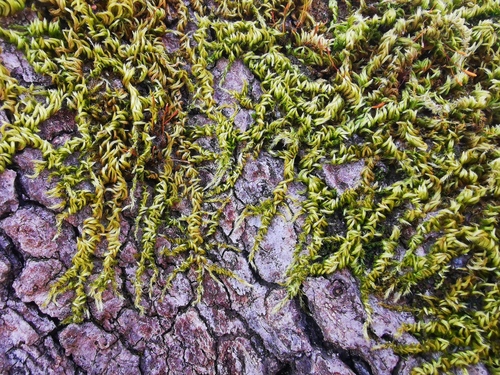
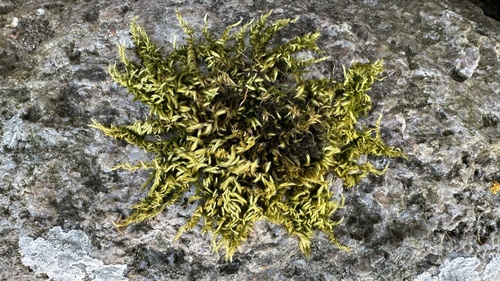
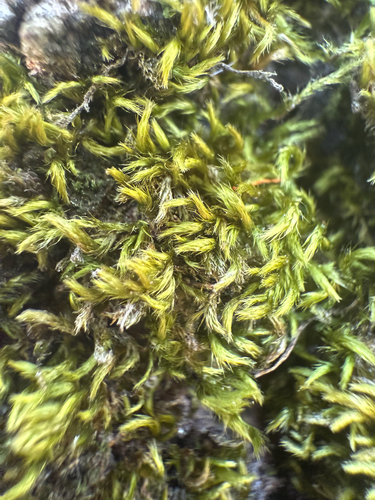
This species grows on vertical, horizontal and sloping surfaces, often fully exposed to sun and wind, but best in humid, lightly shaded sites. It occurs on stone or mortared walls, on tiled, thatched or asbestos roofs, on concrete, and on outcrops of many different rock types, especially limestone but also igneous and siliceous. It is also common on living bases, boles and main branches of many tree species, mostly on less acid bark types (but recorded from birch and conifers). It is not a pioneer and grows mostly on mature trees. It occurs on the ground in beech woods on chalk, in quarries, on hard-packed soil, and, rarely, on sand dunes and sea-cliff turf. It is susceptible to aerial pollution and tolerating mean aerial SO2 contents of only up to 22 ppm (Gilbert 1970), Homalothecium sericeum declined around industrial areas during the 20th century, especially as an epiphyte, but its recovery in recent years is reflected in the increased number of records in formerly polluted areas (Blockeel et al. 2014). Its altitudinal range is ca. 0–2,680 m.
The current threats to this species are unknown and there is no indication of a decline in the habitat of this species. It is susceptible to atmospheric SO2 pollution, and is often rare or absent in areas where SO2 is at a high level.
This species is listed in the National Red List of San Marino (Data Deficient) (Hodgetts 2015). It is present in protected areas in Europe.
European regional assessment: Least Concern (LC) EU 28 regional assessment: Least Concern (LC) The Silky Wall Feather-moss (Homalothecium sericeum) is assessed as Least Concern in Europe and the EU 28 in view of its wide distribution in Europe, with an extent of occurrence (EOO) and area of occupancy (AOO) greatly surpassing the threshold values for application of a threatened category, and its presumably overall stable population trend. The threats to this species are unknown, but likely to be few, apart from atmospheric SO2 pollution, which is currently no longer a threat in most areas of its European range. It is present in protected areas in Europe.
Gallery