Hedera helix L.

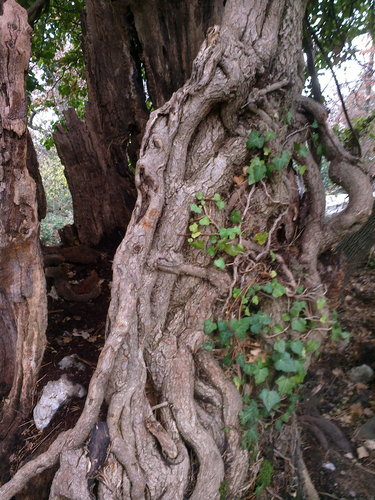
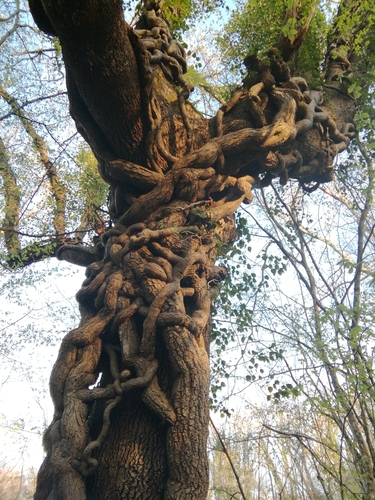
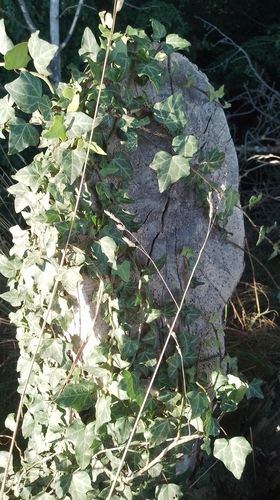
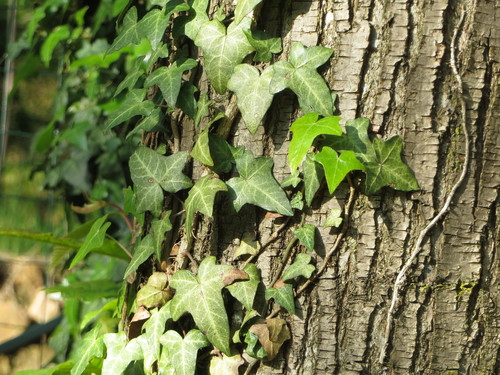
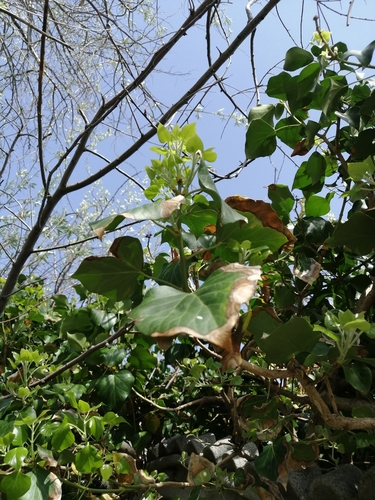
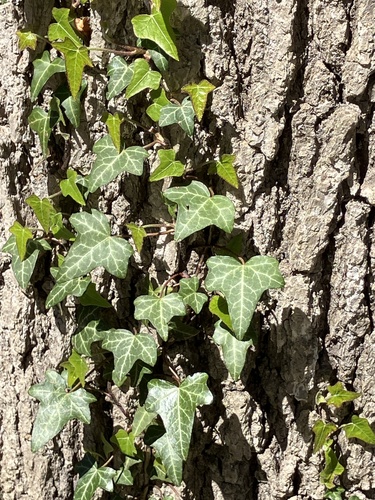
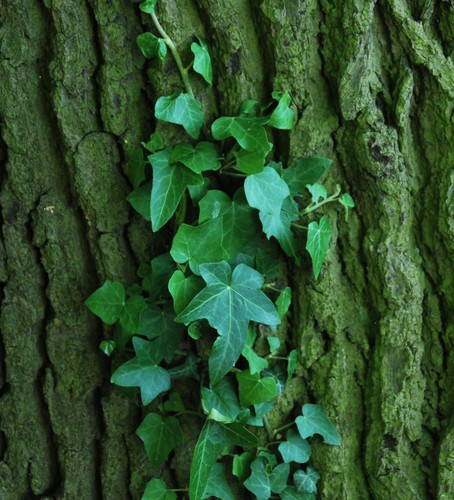
Hedera helix, simply ivy, or common ivy, English ivy, European ivy, King's choice ivy, is a species of flowering plant in the family Araliaceae. It is native to most of Europe and parts of western Asia. Ivy is a clinging evergreen vine that grows on tree trunks, walls, and fences in gardens, waste spaces, and wild habitats. Ivy is popular as an ornamental plant, but escaped plants have become naturalised outside its native range. Ivy has considerable cultural significance and symbolism.

Source: Wikipedia

Synonyms 44
Hedera aurantiaca, Hedera baccifera, Hedera burgalensis, Hedera caucasigena, Hedera chrysocarpa, Hedera chrysophylla, Hedera combwoodiana, Hedera communis, Hedera conglomerata, Hedera cordata, Hedera digitata, Hedera diversifolia, Hedera donerailensis, Hedera elegantissima, Hedera glimii, Hedera gracilis, Hedera humi-repens, Hedera lobata, Hedera lobata-major, Hedera marginata, Hedera marginata-argentea, Hedera marginata-grandis, Hedera marginata-major, Hedera marginata-rubra, Hedera minor, Hedera minor-marmorata, Hedera pedata, Hedera pennsylvanica, Hedera poetarum, Hedera purpurea, Hedera rhizomatifera, Hedera sublutea, Hedera walthamensis, Hedera willsiana, Hedera helix subsp. chrysocarpa, Hedera helix subsp. poetarum, Hedera arborea var. variegata, Hedera communis var. sterilis, Hedera helix var. arborea, Hedera helix var. arborescens, Hedera helix var. arborescens-albolutea, Hedera helix var. arborescens-baccata-lutea, Hedera helix var. argenteovariegata, Hedera helix var. aurantiaca
  • 1,281,153 GBIF occurrences
  • 178,427 iNaturalist observations
Conservation status code
LC
Conservation: status label
Least Concern
Conservation: population trend
Stable
Conservation: year assessed
2026
Habitats
IUCN: population narrative

It is a common and widespread species.

IUCN: habitat narrative

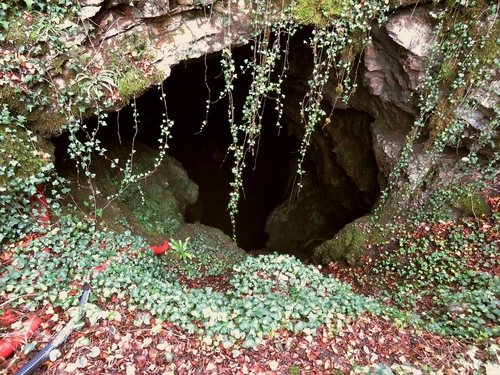
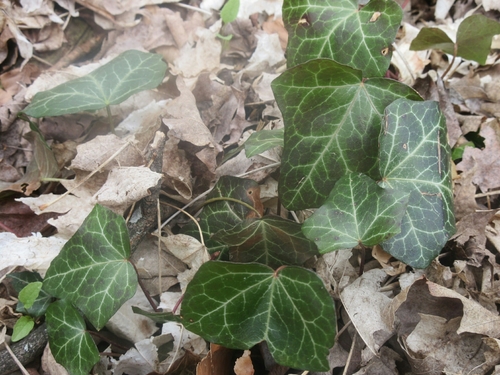
An evergreen perennial woody climber up to 30 m often scrambling over the ground. It is found in woodland, scrub, hedgerows often in dense shade growing over cliffs, trees (which can cause die-back), walls, fences and old buildings. In secondary woodland it can form carpets on the ground. The adult growth bears the flowers and fruits but these are only produced when exposed to sunlight. It is grazed on by deer and livestock (Online Atlas of the British and Irish Flora 2012, Blamey and Grey-Wilson 2003).

IUCN: threats narrative

There are no major threats to this species.

IUCN: conservation narrative

It is listed as Endangered on the national red lists of Belarus (Ermakova 2005) and Estonia (eBiodiversity Estonia 2012), but considered Least Concern in Denmark (NERI 2007), Germany (Ludwig and Schnittler 1996), Luxembourg (Colling 2005), Norway (Artsdatabanken 2010), Switzerland (Moser et al. 2002) and the United Kingdom (Cheffings and Farrell 2005).There are no conservation measures in place or needed. The species occurs in numerous protected areas, including Natura 2000 sites (UNEP-WCMC and IUCN 2023).

IUCN: rationale

European regional assessment: Least Concern (LC)EU 27 regional assessment: Least Concern (LC)This species is classified as Least Concern for both Europe and the EU27 Member States due to its widespread distribution and the absence major threats.