Gymnocarpium dryopteris (L.) Newman
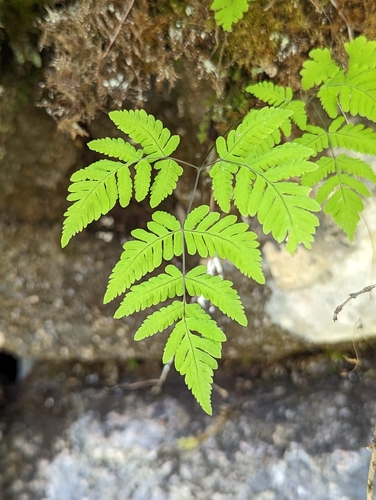
Source: Wikipedia
Synonyms 23
- 285,652 GBIF occurrences
- 20,733 iNaturalist observations
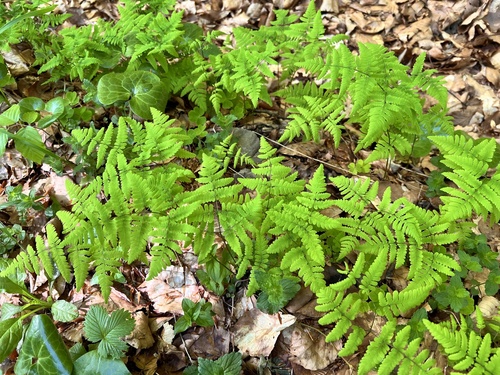
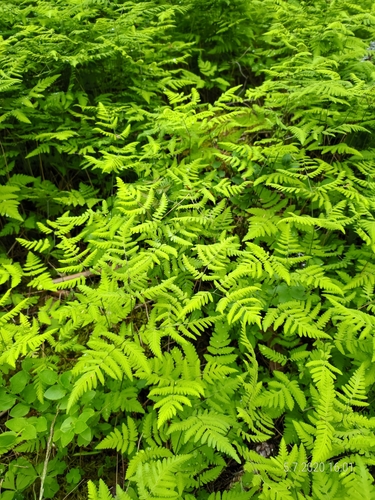
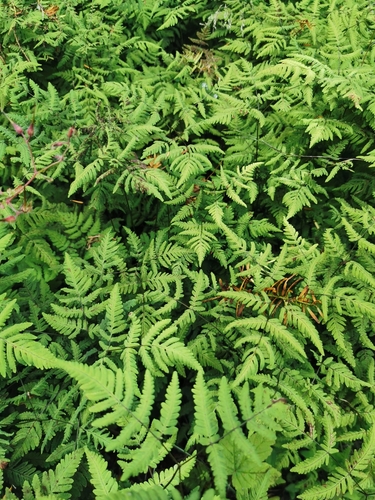
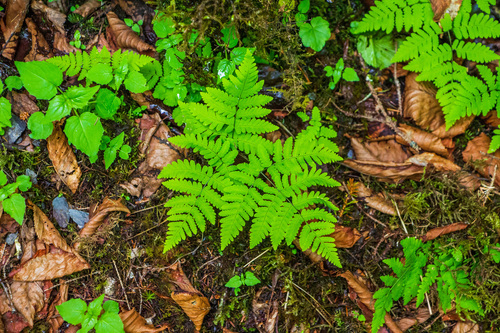
The species can occur in large numbers and locally cover large areas of forest ground. The plants are clonal and thus it is often difficult to count the individuals in a subpopulation. The overall population trend is stable.
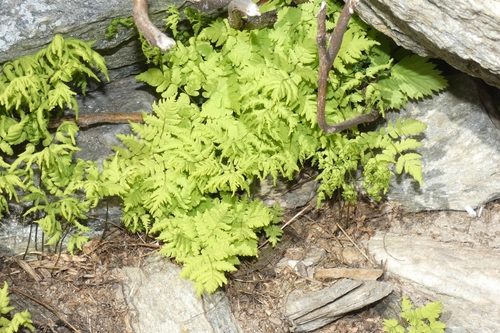
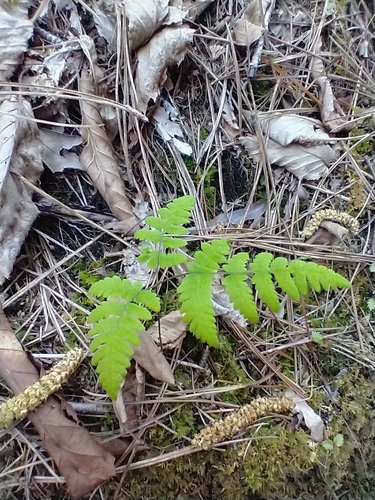
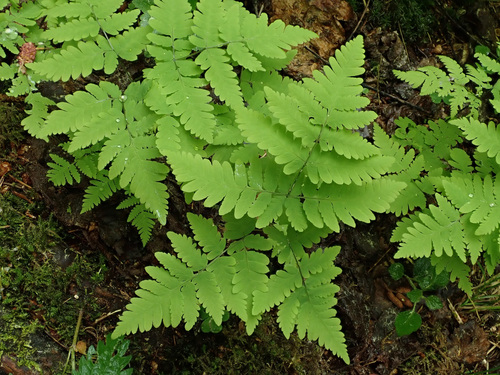
The species is most commonly found in shady situations in coniferous and deciduous woods (Komarov 1968), on shady slopes, rocky slopes and sometimes on humid shaded masonry, often on siliceous substrates, but also sometimes on chalk where organic matter has sufficiently acidified the soil (Page 1997, Prelli 2001). It has a wide range, down to sea level in northern Europe, but in France it is mostly found at medium elevations (G. Rouhan pers. comm. 2016). Its elevation limits are 0 - 2,500 m.
There are no major threats to the species. It is abundant, and even though deforestation can eradicate a certain subpopulation, it can recover and returns when the forest is regenerated.
When walls housing this species need repair, they are best re-grouted with traditional lime mortar, and when possible, at least some or all plants need to be left in place when grouting. The species can also be assisted by reintroducing it to new forest plantations, if required. It is not considered of conservation concern and it is found in protected areas throughout its range. It is assessed as Near Threatened in England (Stroh et al. 2014) and Least Concern in Serbia (Jakovljević et al. 2015).
European regional assessment: Least Concern (LC)EU 28 regional assessment: Least Concern (LC)This is a widespread fern species that is locally abundant and whose population trend is stable. There are no major threats to the species, and it is therefore assessed as Least Concern.
Gallery