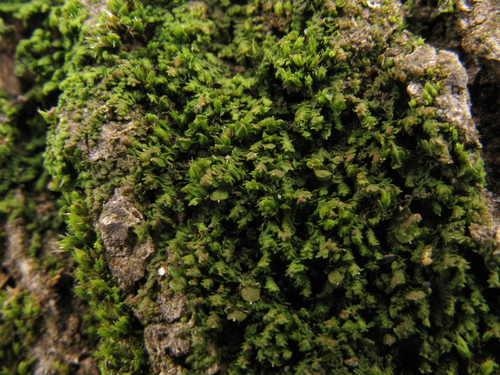
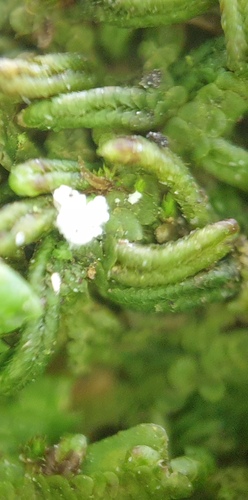
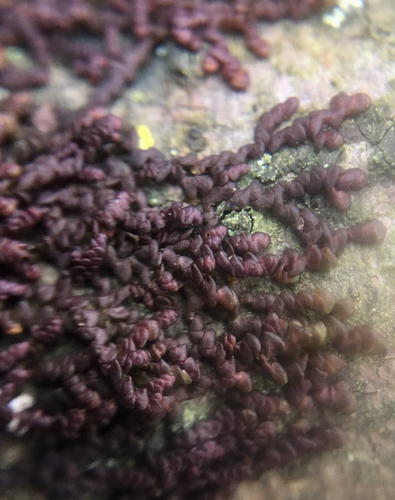
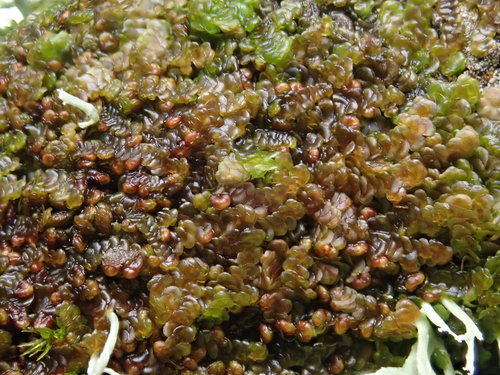
Frullania dilatata (L.) Dumort.
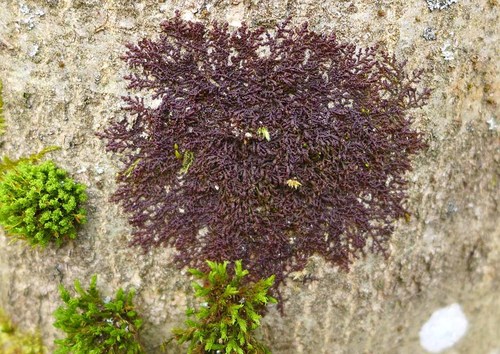
Source: Wikipedia
Synonyms 18
- 88,361 GBIF occurrences
- 7,942 iNaturalist observations
This is a common liverwort which grows as an epiphyte in various habitat types, and occasionally on rocks. The population size is therefore presumably large. In recent decades it has recolonised some regions that were formerly subject to high levels of atmospheric SO2 pollution. The current population trend is stable. In some industrial regions it has even shown an increasing trend in recent decades.
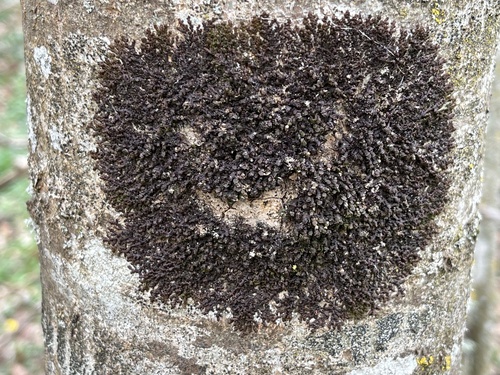
This species grows on trunks and branches of trees and shrubs, and also on acid to mildly base-rich, sheltered or exposed rocks and walls. It occurs in many different habitats including woodlands, on isolated trees, stream and river banks, upland and coastal slopes. It is sensitive to air pollution (Paton 1999, Dierßen 2001).
This species is sensitive to SO2 air pollution. However, this threat has decreased substantially in recent years, and the species has recolonised several areas that were formerly subject to high levels of atmospheric SO2 pollution. At present, there appear to be no major threats to this species.
Since this a very widespread and common species, no specific conservation measures are currently needed. This species is found in protected areas.
European regional assessment: Least Concern (LC)EU 28 regional assessment: Least Concern (LC)The Dilated Scalewort (Frullania dilatata) is found in almost all European countries, including Macaronesia in the west and European Russia in the east. This species is assessed as Least Concern since it has a large and stable population and there appear to be no major threats to it. No conservation measures are currently needed.
Gallery