Fragaria vesca L.
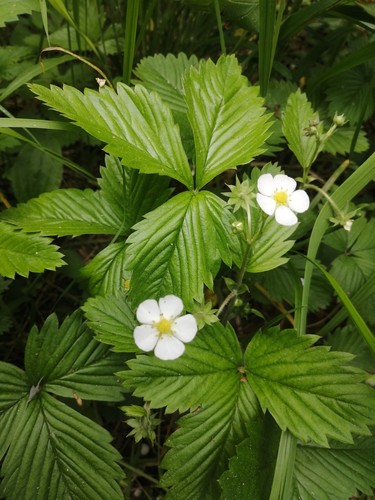
Source: Wikipedia
Synonyms 42
- 810,974 GBIF occurrences
- 105,665 iNaturalist observations
This species is common and widespread throughout its European range. However, according to Preston et al. (2002), there may have been a decline in its frequency in the last 40–50 years in the UK. In the Netherlands, it occurred in 532 hour-squares before 1950 and after 1950 in 406 (Mennema et al. 1985). Tamis et al. (2003) report that the species occurs in 1,001–3,000 1x1 km grid squares in the Netherlands. The species is included in the Dutch Red List and is considered as sensitive.
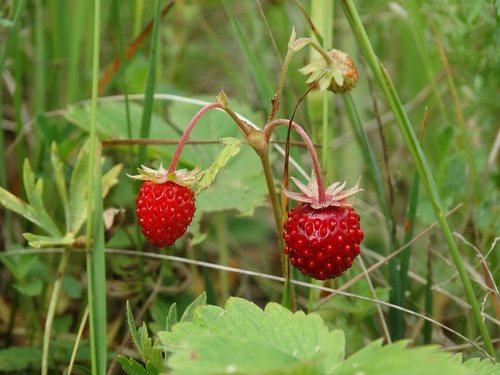
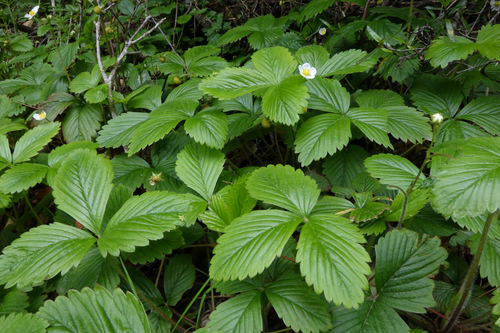
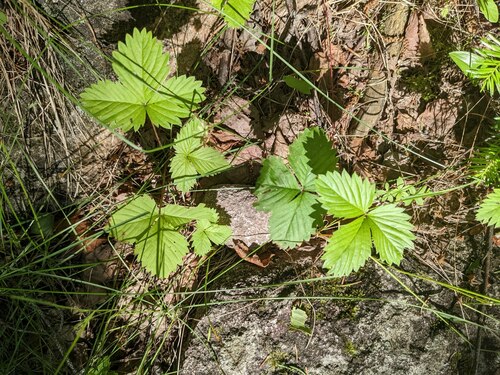
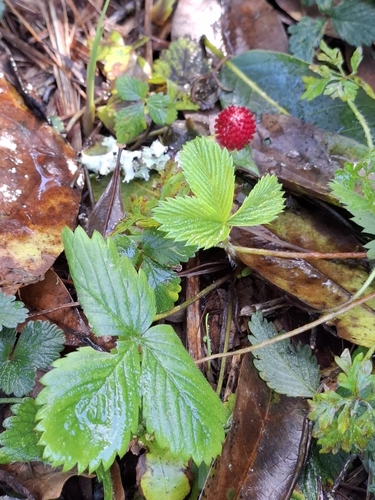
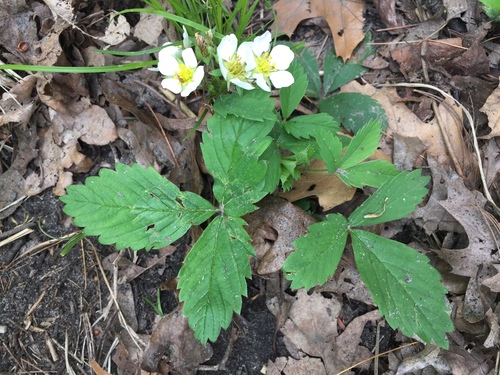
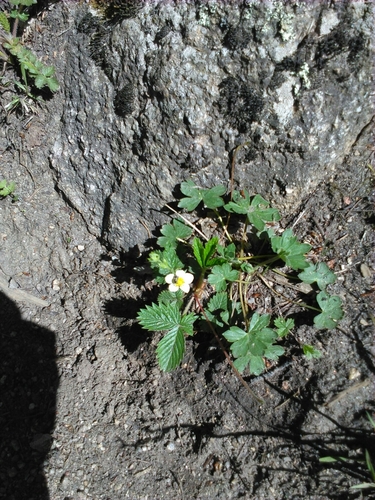
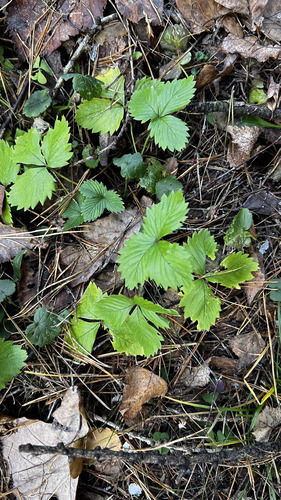
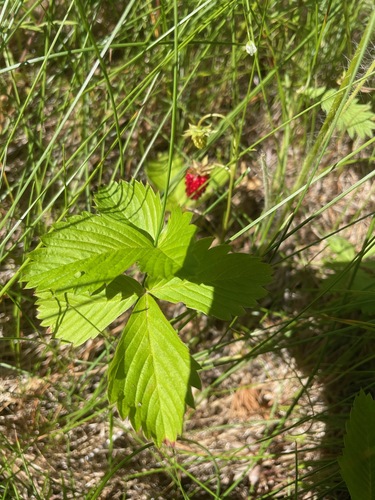
European Strawberry is often found in woodland and shrub areas in Europe. In Finland, it can be found in herb-rich and heath forest, field and road edges, and in open and/or rocky fields (H. Korpelainen pers. comm. 2010). In the UK, it occurs in woodland and scrub habitats, hedge banks, railway banks, roadsides, on rocky outcrops and in scree in upland areas (Preston et al. 2002). It is also known to colonise open areas in quarries and chalk pits, is able to grow on walls and prefers dry, stony soils (Preston et al. 2002). Tamis et al. (2003) report that in the Netherlands, the species occurs in forests and shrub habitats on humid/dry and basic soils with low fertility. It can also be found in grasslands with a humid and moderately fertile soil.
Although this species is common in Finland and Norway, it is losing suitable habitat due to a lack of grazing, leading to a decrease in the number of subpopulations in these countries. Further research is needed to gather information about the potential threats to this species throughout the rest of its European range.
The genus Fragaria is listed in Annex I of the International Treaty on Plant Genetic Resources for Food and Agriculture. The species is listed as Least Concern on several national Red Lists. As it is a widespread species, some subpopulations occur in protected areas. It is recommended that the monitoring and management of this species be incorporated into the existing management plans of these sites.The species is represented by 220 germplasm accessions held at European institutions (EURISCO 2024) and is included in the living collection of at least 157 botanical gardens (BGCI 2024). It occurs in many protected areas, including Natura 2000 sites (UNEP-WCMC and IUCN 2024, GBIF.org 2024).
European regional assessment: Least Concern (LC) EU 27 regional assessment: Least Concern (LC)European Strawberry (Fragaria vesca) is widely distributed across Europe and is common and widespread throughout its European range. It is therefore regionally assessed as Least Concern for both Europe and for the EU27 Member States. However, declines in subpopulation size have been reported in some countries and it is threatened by changes in grazing regimes in Finland and Norway.
Gallery