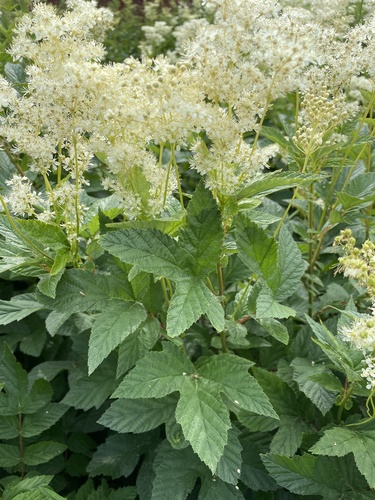
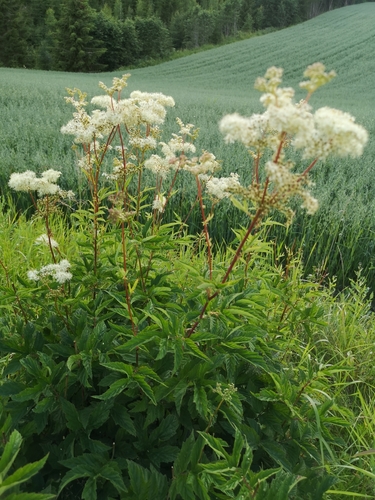
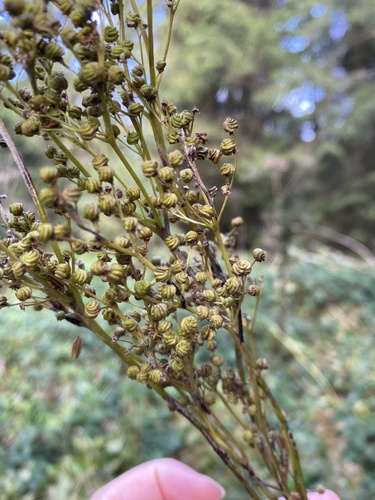
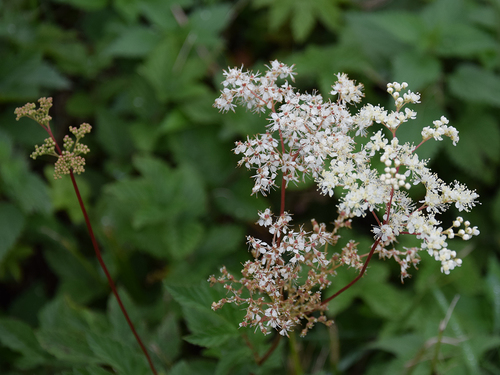
Filipendula ulmaria (L.) Maxim.
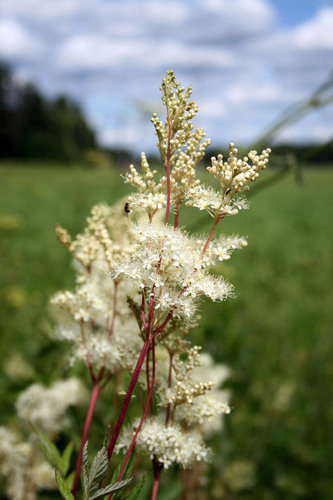
Source: Wikipedia
Synonyms 46
- 1,375,343 GBIF occurrences
- 64,039 iNaturalist observations
The distribution and populations in the United Kingdom are stable (BSBI/BRC 2024). This species is listed as Least Concern in several European countries and there is no information about populations declining anywhere.
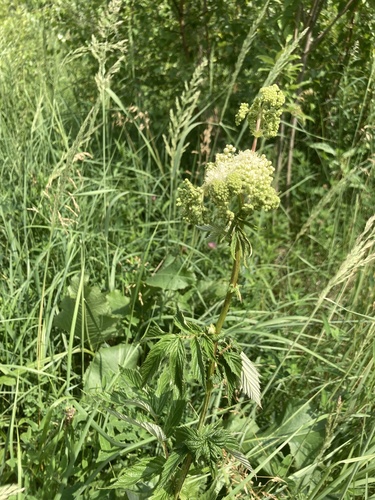
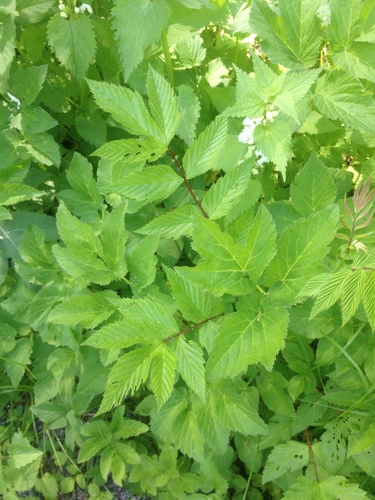
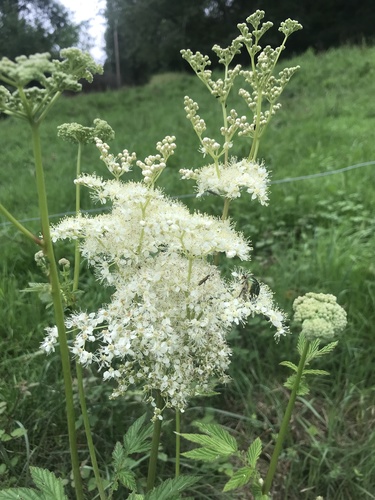
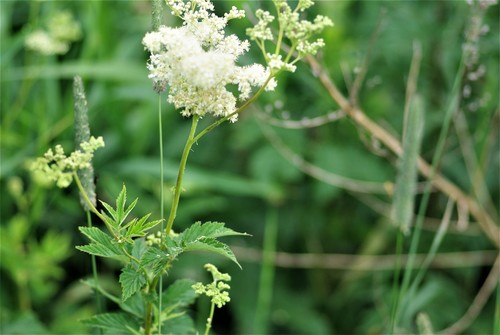
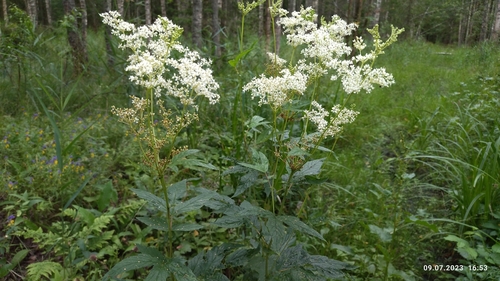
Meadowsweet is a perennial herb associated with damp or wet habitat types on neutral or calcareous fertile soils. It is common on sites where water levels fluctuate, but absent from permanently waterlogged sites. The associated habitats include marshes, streams, riversides, wet deciduous woodland, damp meadows, swamps, fens, ditches, railway banks, damp roadsides, and montane herb community habitats. However, it can sometimes persist and grow on north-facing chalk grasslands, which are often dry. It flowers from May to August (Heukels 2000, BSBI/BRC 2024).
The threats to this species are not well known. This species is affected by the rust pathogen Triphragmium ulmariae and the incidence of the disease is positively correlated with population size (Burdon et al. 1995). It is likely that this species is susceptible to reduced water levels during droughts and habitats such as fens are threatened by drainage, over-abstraction of ground water and increased temperatures and prolonged droughts by climate change (Fojt 1994).
There are no conservation measures in place or needed. This species is listed as Least Concern in Denmark (NERI 2007), Estonia (eBiodiversity 2012), Germany (Ludwig and Schnittler 1996), Luxembourg (Colling 2005), Norway (Artsdatabanken 2010), Switzerland (Moser et al. 2002) and the United Kingdom (Cheffings and Farrell 2005).The species is represented by 113 germplasm accessions held at European institutions (EURISCO 2024) and is included in the living collection of at least 161 botanical gardens (BGCI 2024). It occurs in many protected areas, including Natura 2000 sites (UNEP-WCMC and IUCN 2024, GBIF.org 2024).
European regional assessment: Least Concern (LC) EU 27 regional assessment: Least Concern (LC)This species is classified as Least Concern for both Europe and for the EU27 Member States due to its widespread distribution, stable populations and lack of major threats.
Gallery