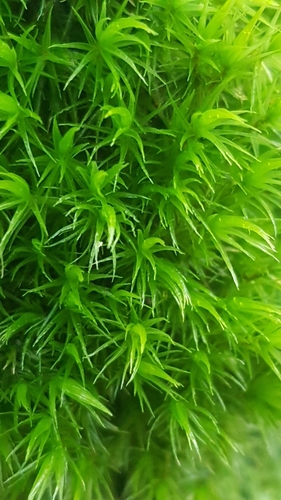
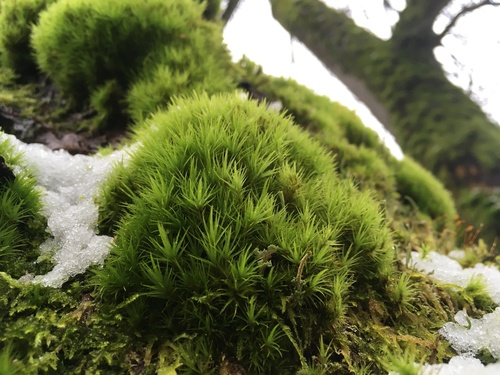
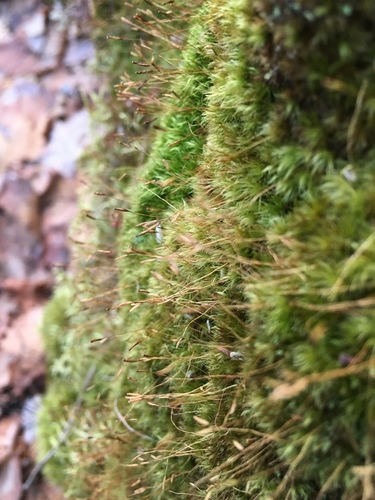
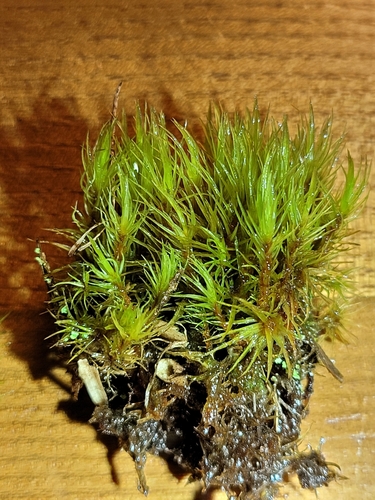
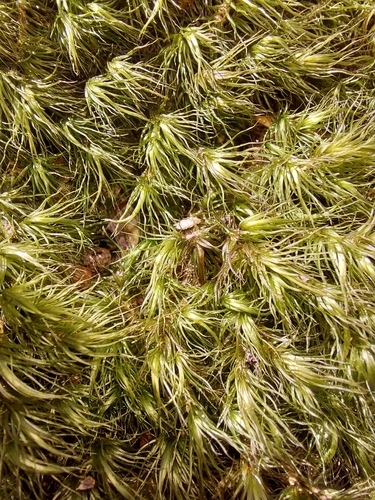
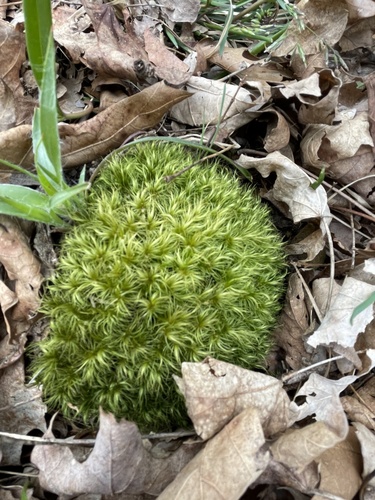
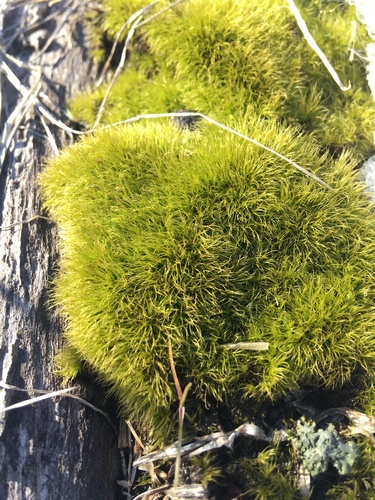
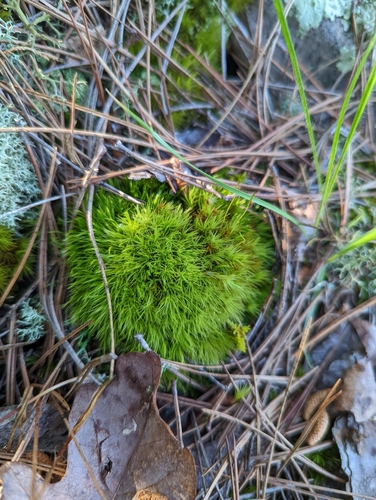
Dicranum scoparium Hedw.
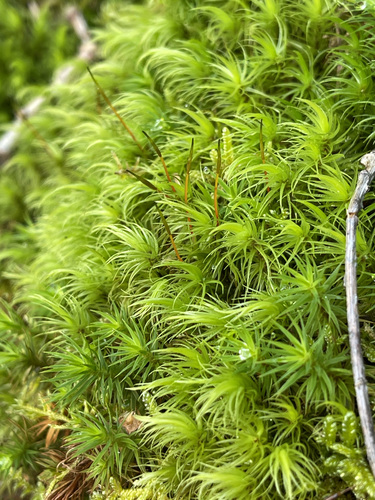
Source: Wikipedia
Synonyms 48
- 251,588 GBIF occurrences
- 27,460 iNaturalist observations
Although there are no quantitative data on the size of the subpopulations, this species is common and sometimes locally abundant in many European countries. The population can therefore be considered to be large and stable.
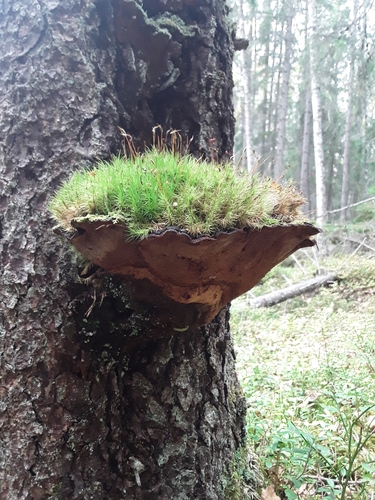
This is a very common perennial competitive species whose general ecological characteristics can be described as acidophitic, humicolous, and saprolignicolous. It ranges from hygrophytic to mesophytic, and from cryophytic and thermophytic. It is found in a wide range of habitats and is frequently found on the ground in both coniferous and deciduous woods, but it also occurs as an epiphyte on trees and trunks, on heathlands and moors, in marshes, on sand dunes, on acid rocks and in unimproved grasslands (Dierβen 2001, Atherton et al. 2010). It is found from sea level up to 2,900 m asl.
There appear to be no major threats to this species.
No conservation measures are needed at present. The species occurs in protected areas. It has been assessed as Vulnerable in the Canary Islands.
European regional assessment: Least Concern (LC)EU 28 regional assessment: Least Concern (LC)The Broom Fork-moss (Dicranum scoparium) has a Circumpolar wide-boreal distribution and is widely distributed throughout Europe including Macaronesia and European Turkey. However, it is rare or absent in the Mediterranean lowlands. This species is assessed as Least Concern since it is widespread throughout Europe, the current population trend is stable and there appear to be no major threats to it. No specific conservation actions are needed.
Gallery