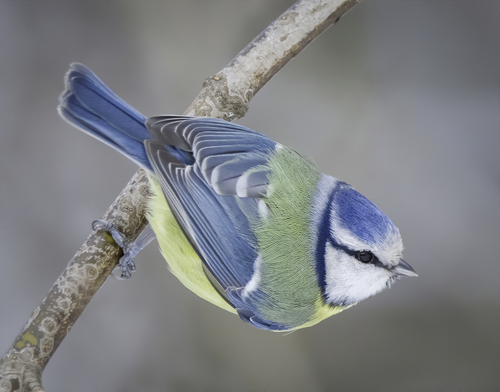
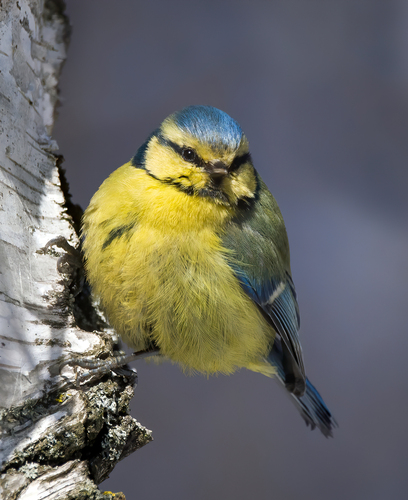
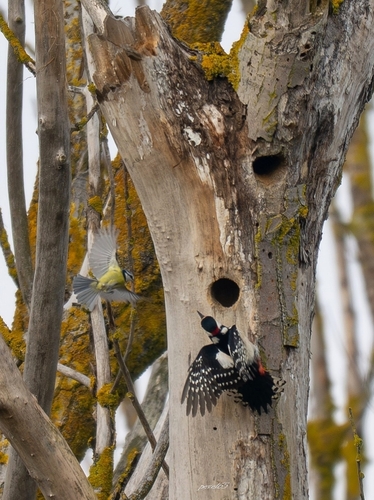
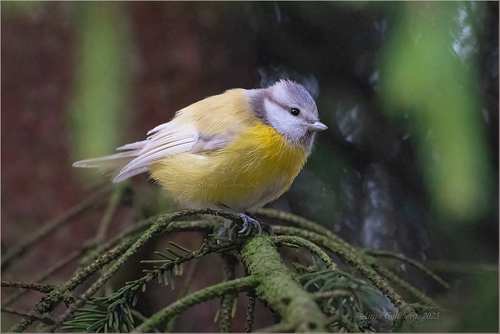
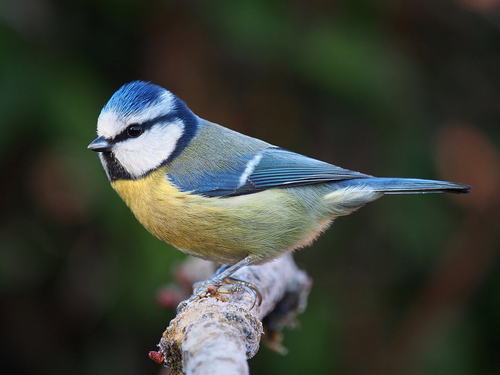
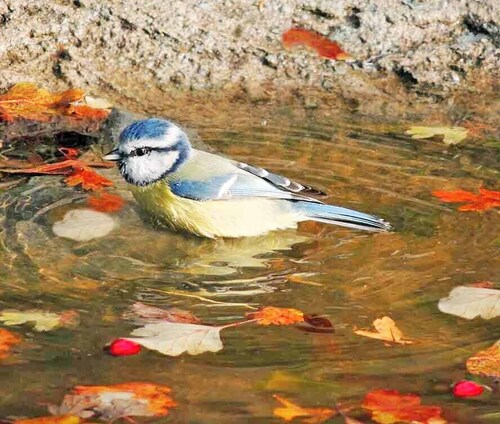
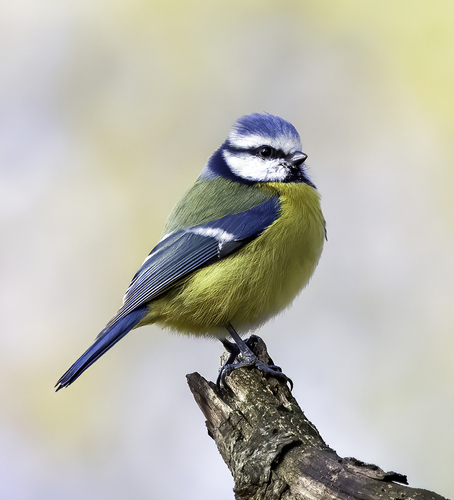
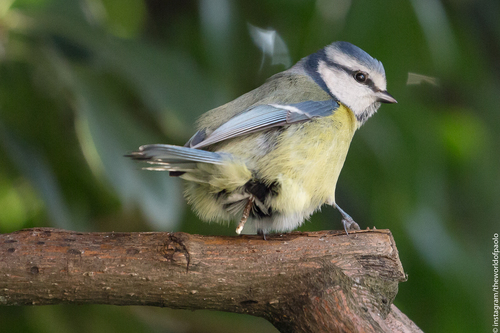
Cyanistes caeruleus (Linnaeus, 1758)
Source: Wikipedia
Synonyms 8
- 11,169,752 GBIF occurrences
- 164,362 iNaturalist observations
In Europe, the total population size is estimated at 59,700,000-95,100,000 mature individuals, with 29,800,000-47,600,000 breeding pairs (BirdLife International 2021), and comprises approximately 95% of the species' global range, so a very preliminary estimate of the global population size is between 62,800,000-100,000,000 mature individuals, although further validation of this estimate is desirable. The species' population in Europe is considered to have remained relatively stable over three generations (10 years) (BirdLife International 2021). As this region holds the vast majority of the species' global range, the global population size is considered to be stable over three generations.
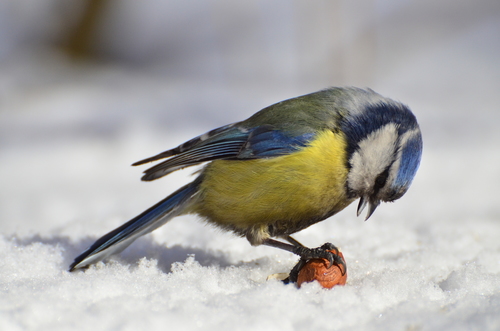
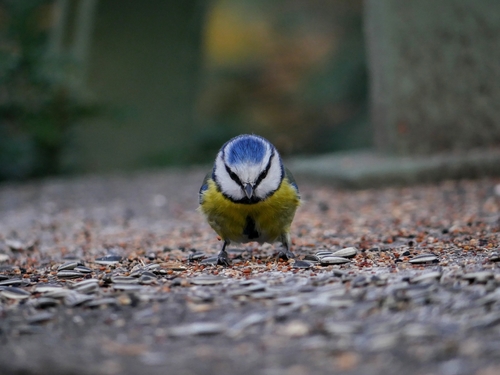
This species inhabits broad-leaved woodland, as well as coppices, parks and gardens. It uses deciduous woodland principally containing oak (Quercus) and birch (Betula) and generally avoids large stands of conifers (Gosler et al. 2013). Provided suitable nest-holes are present this species will even occur in inner cities. The breeding season is April to late June. The nest is built by the female and is mostly a cup of moss, dried grass, fine bark strips, plant fibres, leaves, animal hair and feathers, placed in a hole or a cleft in a tree or post or other artificial site. Nestboxes are widely used. In Europe clutches are generally seven to thirteen eggs (Gosler et al. 2013). It feeds primarily on insects and spiders, as well as fruits, seeds, nectar and pollen. The diet varies with seasonal and other changes in food abundance. The species is essentially resident though in the centre and north of its range it makes irregular eruptive movements (Snow and Perrins 1998) and seasonal altitudinal shifts (Gosler et al. 2013).
The species is subject to high annual and local fluctuations driven by habitat carrying capacity, breeding success, winter mortality (Hagemeijer and Blair 1997) and competition from Parus major (Gosler et al. 2013).
Conservation Actions UnderwayBern Convention Appendix II. Provision of food at bird tables is thought to account for a considerable proportion of winter sustenance, enabling large numbers to survive hard winters or severe weather (Gosler et al. 2013).Conservation Actions ProposedCurrently no conservation measures are needed for this species.
This species has an extremely large range and the population size is extremely large, hence does not approach threatened thresholds for the range or population size criteria. The population trend appears to be stable, and hence the species does not approach the thresholds for Vulnerable under the population trend criterion. For these reasons the species is evaluated as Least Concern.
Gallery