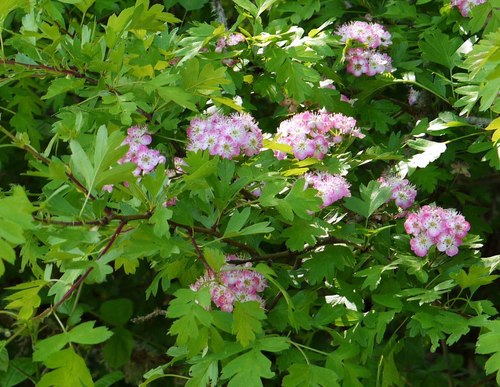
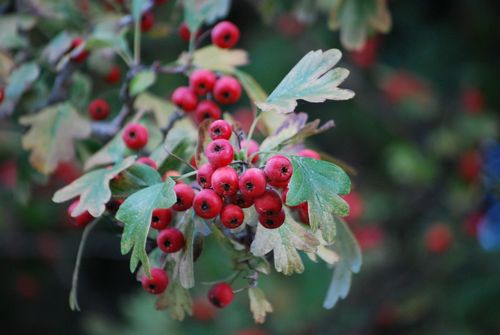
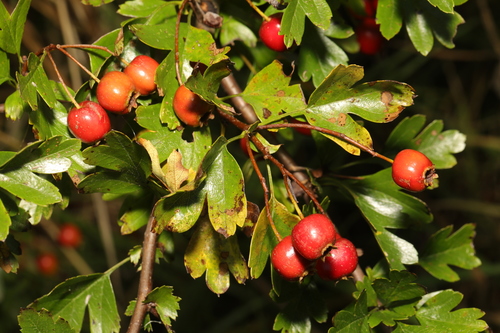
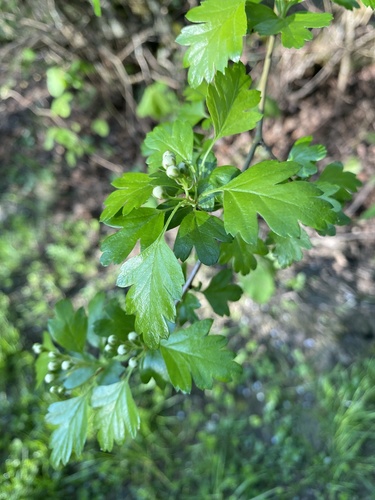
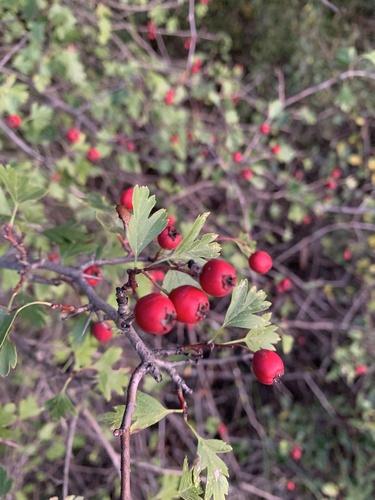
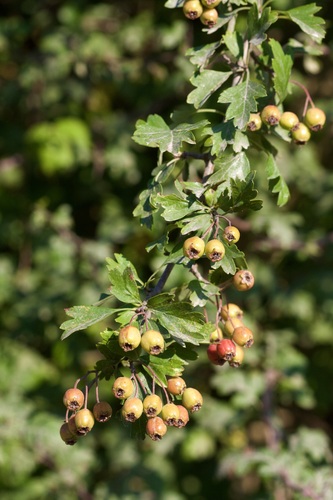
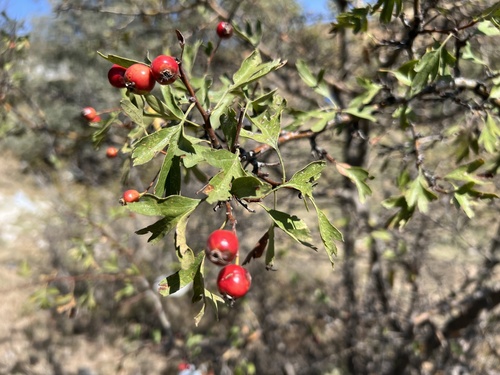
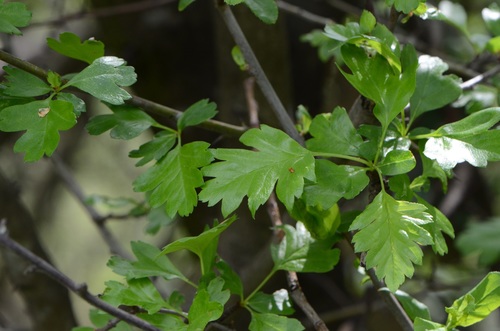
Crataegus monogyna Jacq.
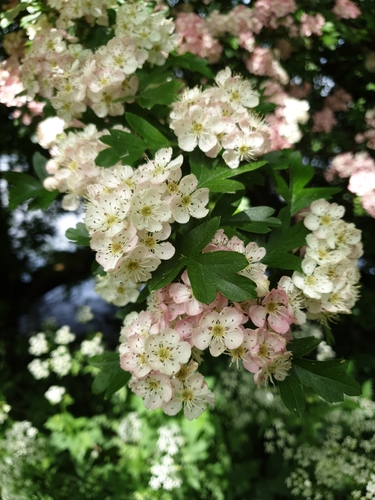
Source: Wikipedia
Synonyms 47
- 1,420,423 GBIF occurrences
- 105,546 iNaturalist observations
It is abundant throughout Europe (Blamey and Grey-Wilson 2003). The overall population trend at the European level is not known but is probably stable overall.
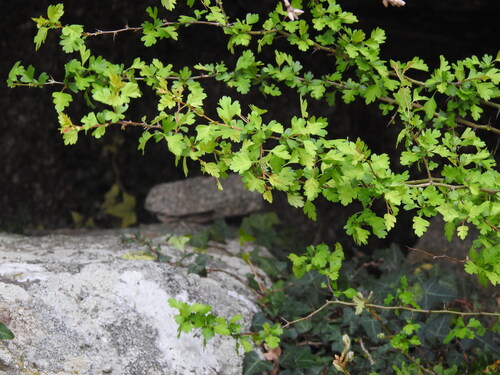
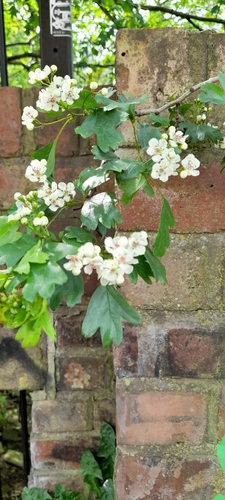
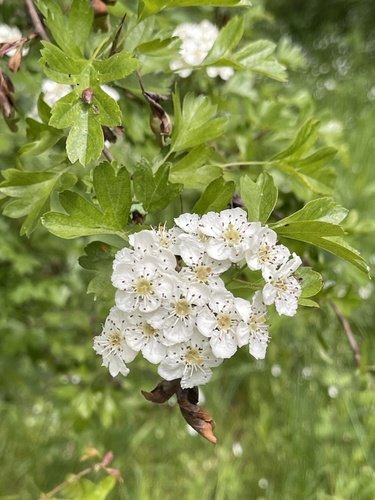
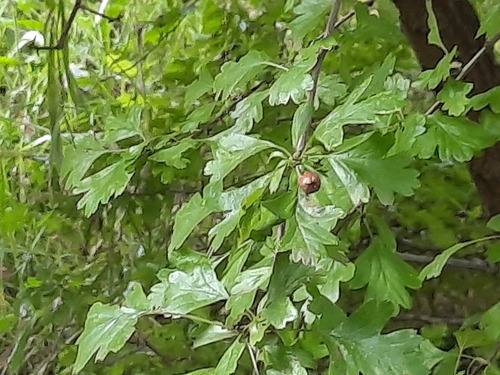
Hawthorn is a shrub or small tree growing up to 10 metres tall and occurs on the borders of forests and woodland, scrub, hedgerow and along fences and with bramble and other thorny thickets, rough grassy habitats, heaths and moors, lowland and upland (Castroviejo et al. 1998, Blamey and Grey-Wilson 2003). It can persist on grazed sites as scattered bushes and is able to spread rapidly when grazing is reduced. Its fruits are an important winter food for birds (BSBI/BRC 2024).
There are no major threats to this species in most parts of its range. It is possible that land clearance and development, and overgrazing may stop this species from occurring naturally in some areas. Collection from the wild in large quantities may be threatening this species in Albania, Bosnia and Herzegovina, and Bulgaria.
There are no conservation measures in place or needed, except perhaps where this species is collected from the wild in large quantities.It is listed as Least Concern in Belgium (Van Landuyt et al. 2006), Denmark (NERI 2007), Germany (Ludwig and Schnittler 1996), Luxembourg (Colling 2005), Switzerland (Moser et al. 2002), Norway (Artsdatabanken 2010) and the United Kingdom (Cheffings and Farrell 2005). It is considered to be Vulnerable (A2ac) in Finland (Rassi et al. 2010). The species is represented by 136 germplasm accessions held at European institutions (EURISCO 2024) and is included in the living collection of at least 180 botanical gardens (BGCI 2024). It occurs in many protected areas, including Natura 2000 sites (UNEP-WCMC and IUCN 2024, GBIF.org 2024).
European regional assessment: Least Concern (LC) EU 27 regional assessment: Least Concern (LC)This species is classified as Least Concern for both Europe and for the EU27 Member States due to its widespread distribution and apparently common occurrence. It is unclear if there has been an overall decline in this species, and it is recommended to monitor exploitation and harvest trends, especially in national parks.
Gallery