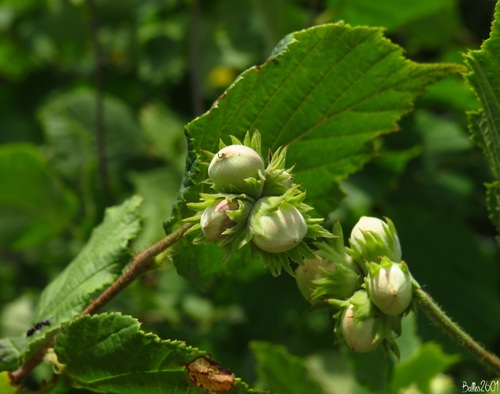
Corylus avellana L.

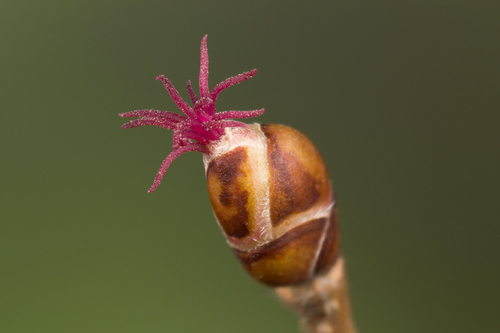
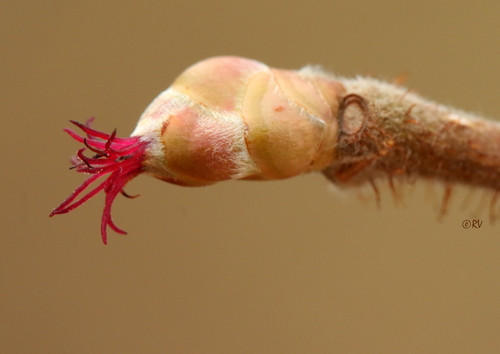
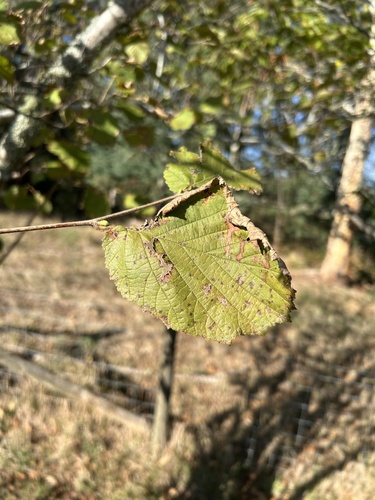
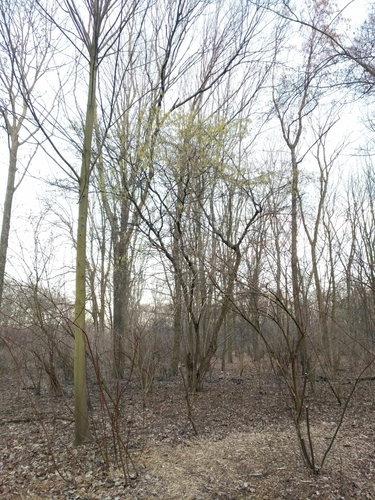
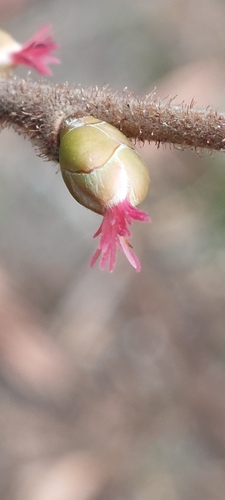
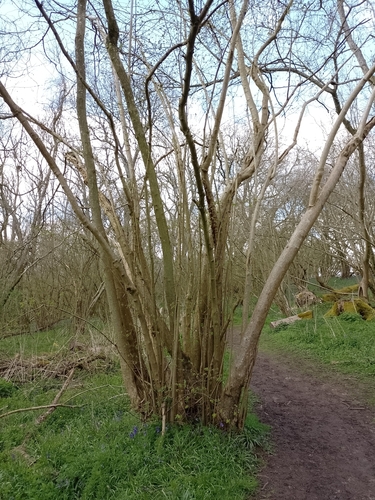
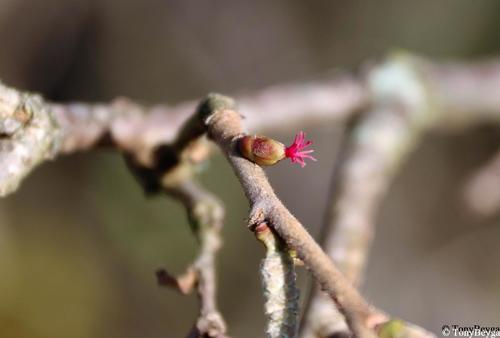
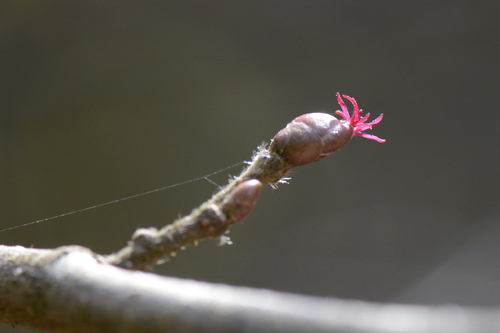
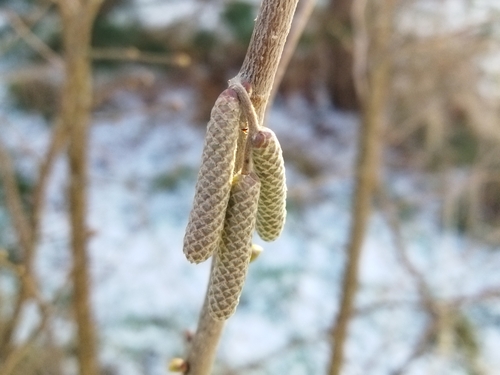
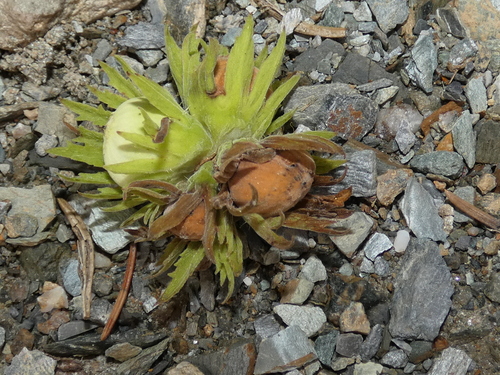
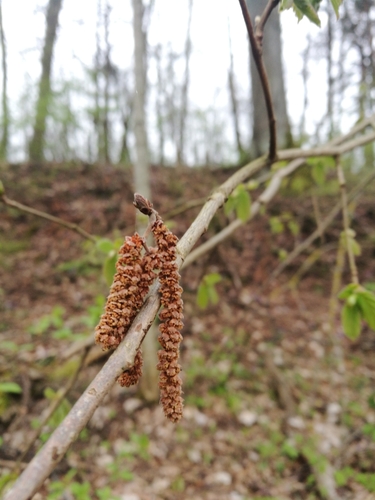
Corylus avellana, the common hazel, is a species of flowering plant in the birch family Betulaceae. The shrubs usually grow 3–8 metres tall. The nut is round, in contrast to the longer filbert nut. Common hazel is native to Europe and Western Asia.

Source: Wikipedia

Synonyms 46
Corylus alba, Corylus algeriensis, Corylus arborea, Corylus ardua, Corylus filicifolia, Corylus glandulosa, Corylus grandis, Corylus hispanica, Corylus imeretica, Corylus laciniata, Corylus macrocarpa, Corylus memorabilis, Corylus ovata, Corylus pumila, Corylus quercifolia, Corylus serenyiana, Corylus spicata, Corylus sylvestris, Corylus urticifolia, Corylus avellana subsp. memorabilis, Corylus avellana subsp. sylvestris, Corylus avellana var. acuminata, Corylus avellana var. acuta, Corylus avellana var. acutiuscula, Corylus avellana var. alba, Corylus avellana var. amblyocarpa, Corylus avellana var. annulata, Corylus avellana var. apiculata, Corylus avellana var. arcuata, Corylus avellana var. ardua, Corylus avellana var. atropurpurea, Corylus avellana var. attenuata, Corylus avellana var. aurea, Corylus avellana var. barcelonensis, Corylus avellana var. brachychlamys, Corylus avellana var. brevilaciniata, Corylus avellana var. bulbosa, Corylus avellana var. cervispina, Corylus avellana var. coelata, Corylus avellana var. complanata, Corylus avellana var. compressa, Corylus avellana var. coniformis, Corylus avellana var. contorta, Corylus avellana var. contracta, Corylus avellana var. crispa, Corylus avellana var. cryptomeria
  • 1,428,636 GBIF occurrences
  • 86,608 iNaturalist observations
Conservation status code
LC
Conservation: status label
Least Concern
Conservation: population trend
Stable
Conservation: year assessed
2017
Habitats
Threats
IUCN: population narrative

This species is common in woodlands across Europe. Population size has not been quantified but is thought to be large.

IUCN: habitat narrative

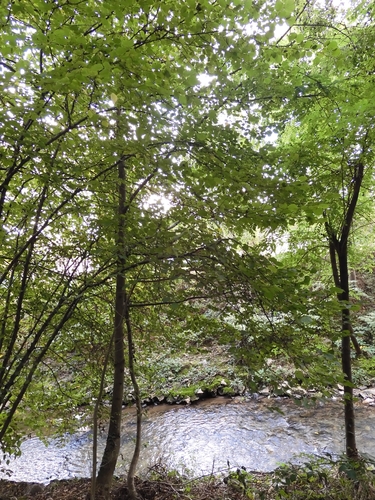
The species is found in a range of habitats. It is often found growing in the shade of deciduous trees, especially oak. It grows as a small tree or large shrub reaching heights of 15 m and can also be found in hedges, meadows and pastures, on the banks of streams, waste places, abandoned plantings, the edges of woods, on steep slopes and by paths and roadsides. It can be a pioneer plant.

IUCN: threats narrative

There are no major threats reported for this species. However, high numbers of livestock, deer and squirrels can limit regeneration, and conifer planting and the cessation of woodland management may reduce abundance locally.

IUCN: conservation narrative

This species occurs in a number of protected areas across its range. It is also recorded in 179 ex situ collections (BGCI 2016), however they may or may not be from a European source. This species is also listed as Least Concern in the national Red Lists of Denmark (NERI 2007), Norway (Artsdatabanken 2010), Luxembourg (Colling 2005), Switzerland (Moser et al. 2002) and Great Britain (Cheffings and Farrell 2005).

IUCN: rationale

European regional assessment: Least Concern (LC)EU 28 regional assessment: Least Concern (LC)This is a widespread species in Europe with a large range. Population size has not been quantified, but the species is common across much of its range. It is therefore evaluated as Least Concern.