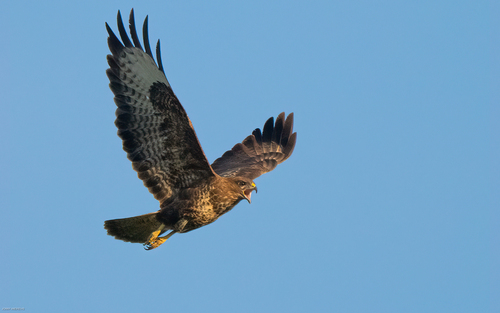
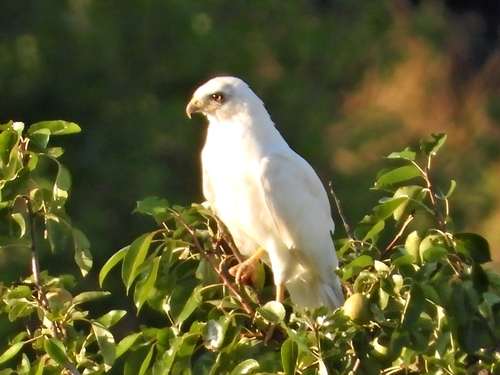
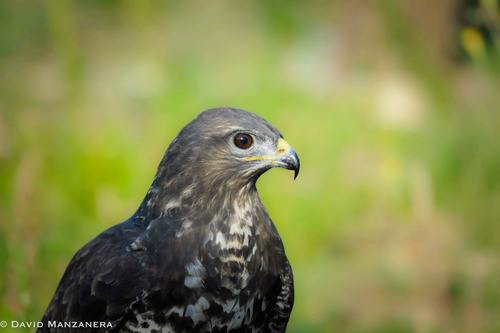
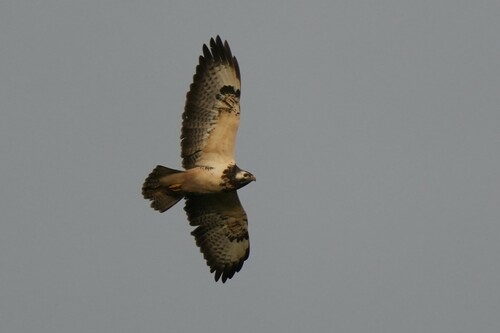
Buteo buteo (Linnaeus, 1758)
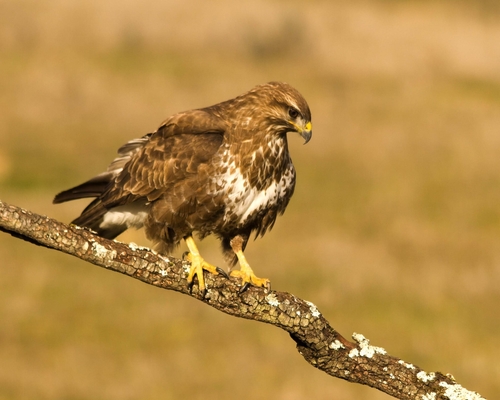
Source: Wikipedia
Synonyms 7
- 7,547,719 GBIF occurrences
- 163,150 iNaturalist observations
The population size in the Mediterranean region has not been directly quantified but given the figures in BirdLife International (2021), the number of mature individuals will exceed the thresholds for a threatened category significantly. Overall, the population trend is tentatively estimated be stable (see BirdLife International 2021).
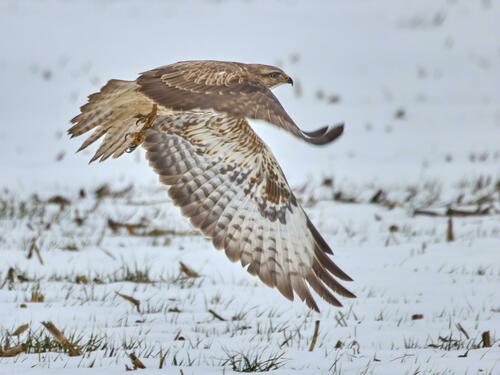
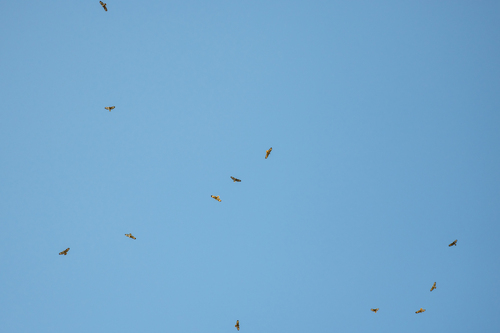
Populations in Scandinavia and most of the former Soviet Union are migratory, wintering in Africa and southern Asia. Those elsewhere are resident (Orta et al. 2015). Migrants move south between August and November and make the return journey between February and May. Birds tend to occur singly or in pairs, sometimes forming small family groups at roosts. However, they can migrate in groups, and as birds avoid sea crossings (and even freshwater bodies) as far as possible, they form huge concentrations at peninsulas and narrow straits (Brown et al. 1982, Snow and Perrins 1998, Ferguson-Lees and Christie 2001). Migration is strictly diurnal, and also often follows mountain ranges and ridges (Brown et al. 1982). It inhabits a wide variety of habitats but requires at least some tree cover for nesting and roosting; ideal habitat appears to be forest edge, or mosaics of forest and open areas. It is versatile depending on the prey animals available, with small mammals usually predominating, but in some areas invertebrates making up the majority. The nest is built on a fork or branch of a large tree, usually near to forest edge. It is a bulky platform of sticks and twigs, lined with greenery near trunk 3–25 m above ground, or on cliff ledge. Clutches are normally two to four eggs (Orta et al. 2015).
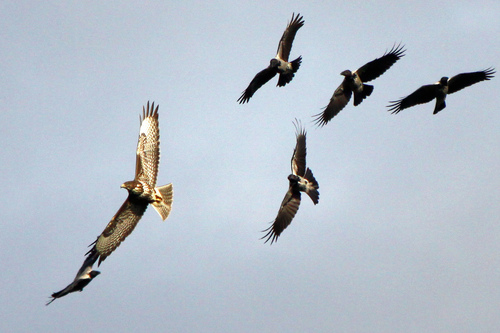
The most important historical threat though has been from persecution, including through poisoned bait traps, with pesticides and habitat loss also causing some declines (Orta et al. 2015). It is highly vulnerable to the impacts of potential wind energy developments (Strix 2012).
Conservation Actions UnderwayCITES Appendix II. CMS Appendix II. There are currently no known conservation measures for this species.Conservation Actions ProposedAlthough this species is not threatened, subpopulations should be monitored for declines. Suitable habitat should be protected and trees preserved for breeding (Orta et al. 2015). Artificial perches or planted bushes in meadows can increase habitat quality.
Mediterranean regional assessment: Least Concern (LC)This species has an extremely large range (its extent of occurrence (EOO) is much larger than 20,000 km² and its area of occupancy (AOO) is much larger than 2,000 km²), and hence it does not approach the thresholds for Vulnerable under the range size criteria (criteria B and D2). The population size is extremely large, (much larger than 10,000 mature individuals), and hence it does not approach the thresholds for Vulnerable under the population size criteria (criteria C and D). The population trend is tentatively thought to be stable, and hence does not approach the thresholds for Vulnerable under the population size reduction criterion (criterion A). The probability of extinction has not been calculated for this species, therefore criterion E cannot be applied. For these reasons the species is evaluated as Least Concern.
Gallery