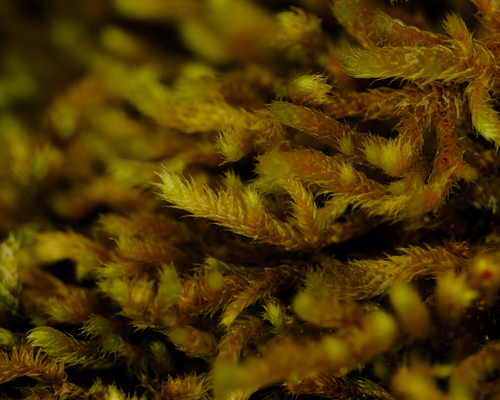
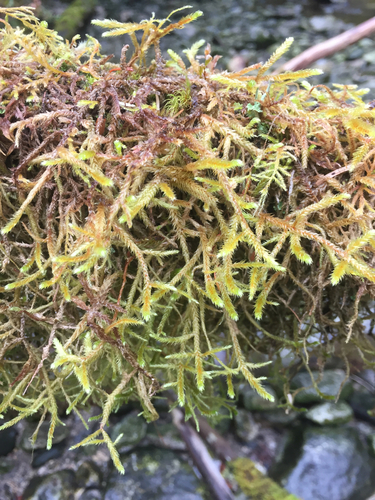
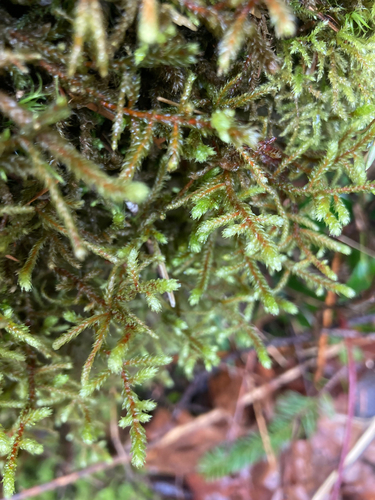
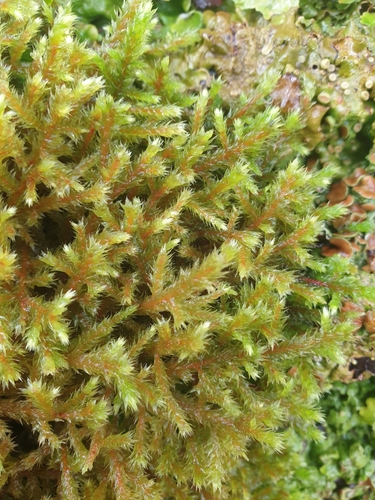
Antitrichia curtipendula (Hedw.) Brid.
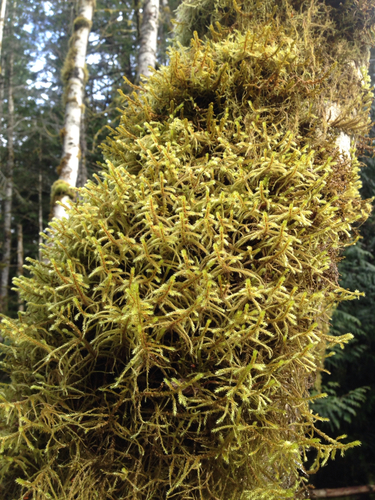
Source: Wikipedia
Synonyms 25
- 53,826 GBIF occurrences
- 3,510 iNaturalist observations
Subpopulations can be large in good quality habitats. In southern Europe and Scotland there are large epiphytic and epilithic subpopulations. The overall population size is very large and the current population trend is stable.
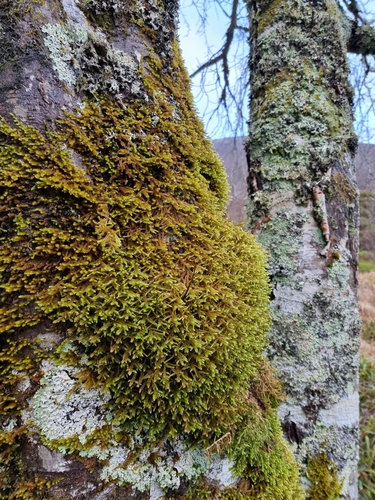
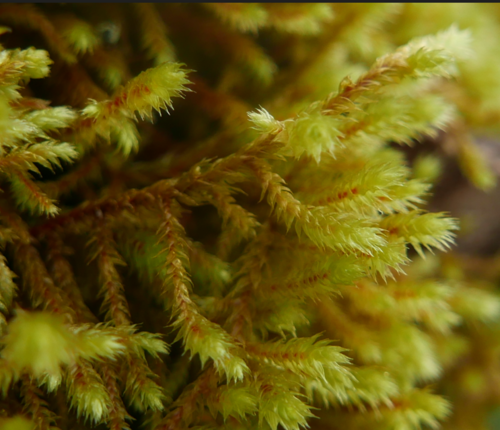
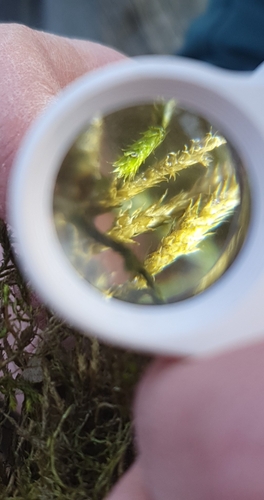
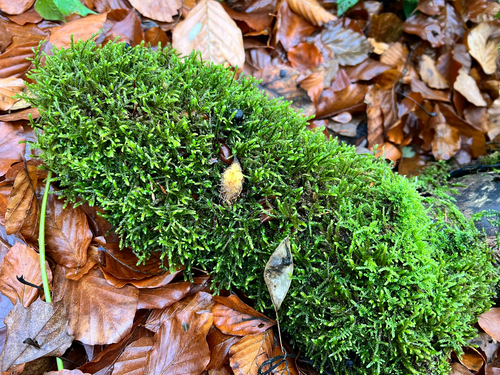
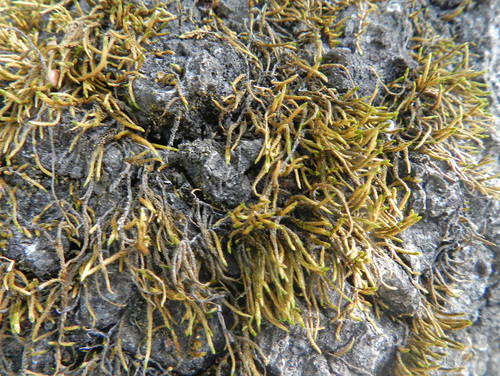
This species lives on cliffs and in open environments on soil, walls and trunks or in forest environments on branches of various coniferous and deciduous trees, or more rarely in mountain grasslands. It grows from low to high altitudes (sea level to 2,100 m Asl) and it is sensitive to air pollution.
In central and northwestern Europe, air pollution from coal production caused a marked decline in this species in the 20th Century. However, since the 1990s it has begun to recover thanks to better air quality. The subpopulations in the Austrian Alps are believed to be declining since forestry practices (short rotation length) are leading to a decline in trees. Some regional subpopulations of forest areas suffer from actions of poor silviculture, as well as the decline of old-growth forests. For forest subpopulations, an increase in the frequency and intensity of wildfires can also pose a threat to this species in southern Europe. Species can take some years to regenerate after large fires. Related to what, in some European countries it appears to be a threatened species. However, overall it appears to be stable and not at risk.
This species is included in some regional red lists of central and eastern Europe (Hodgetts 2015). At the European level no specific conservation actions are necessary. This species is present in protected areas throughout its range.
European regional assessment: Least Concern (LC)EU 28 regional assessment: Least Concern (LC)The Pendulous Wing-moss (Antitrichia curtipendula) is widely distributed in Europe. This species is assessed as Least Concern since it has a large and stable population and there appear to be no major threats at the European scale. It thrives in a variety of environmental conditions and is found at different altitudes.
Gallery